Conservation What Conservation Incentives Can—and Cannot—Buy Voluntary conservation programs can protect soil, water, habitat and working farms—but enrollment is an input, not an ecological outcome.
prescribed fire Prescribed Fire Finally Earned Hazard Pay. Capacity Is the Next Test. A new federal pay rule corrects an old imbalance for prescribed-fire crews. Whether it produces more safe burning still has to be measured.
Land Stewardship A Landscape Is Never Unmanaged Land is always responding to weather, animals, fire, water and human decisions. Stewardship begins when responsibility for the outcome becomes explicit.
Watershed Health Before You Move Dirt, Read the Water Before reshaping a dry landscape, understand where water flows, where soil is exposed, and what the land is already telling you.
Grasslands What Old Grassland Stories Still Teach Us About Restoring Land Two grassland stories point to a larger lesson: restoration succeeds when soil cover, water, grazing pressure, recovery, wildlife and economics are judged together.
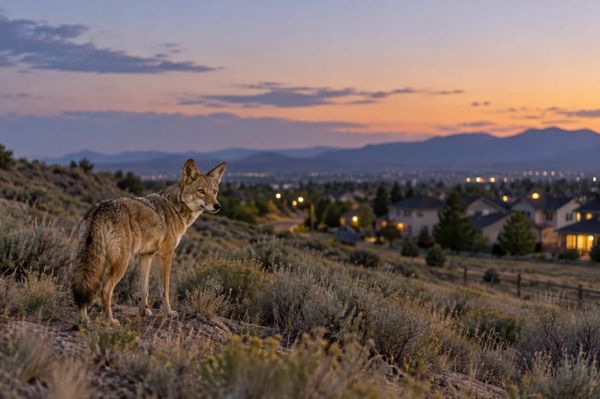
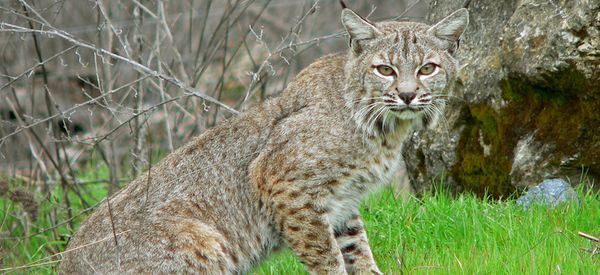
Wildlife Management When Coexistence Stops Working: A Threshold Test for Predator Management A new urban-coyote framework asks a broader wildlife-management question: What behavior should trigger education, deterrence, investigation or targeted removal?
Grazing Llamas Once Roamed North America. Could They Help Restore It Again? Llamas helped rebuild soil and vegetation below a retreating glacier in Peru. Their deeper history makes the experiment even more interesting.
bees A Hive Count Is Not a Measure of Pollinator Health Managed honeybees can be replaced, divided and moved. Wild pollinators cannot. If we want more bees, we must first restore the plants and nesting places that sustain them.
Bison Bison Do Not Simply Follow Spring. They Help Create It. In Yellowstone, bison do more than follow nutritious new grass. By moving, grazing and returning, they can keep parts of the landscape green.
Bats A Bat Colony Is Only as Healthy as the Country Around It A cave can shelter hundreds of thousands of bats. It cannot feed them. Protecting a bat flight means protecting the insects, water and open country beyond the roost.
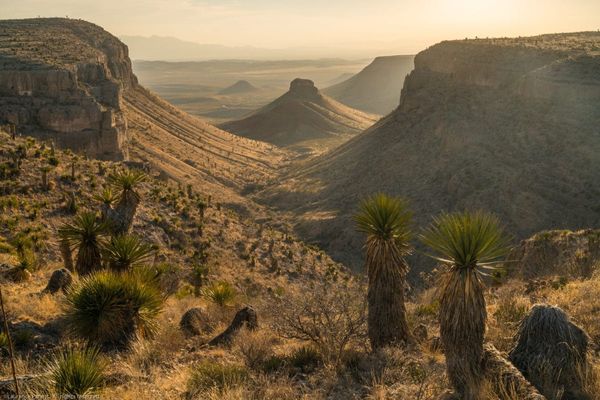
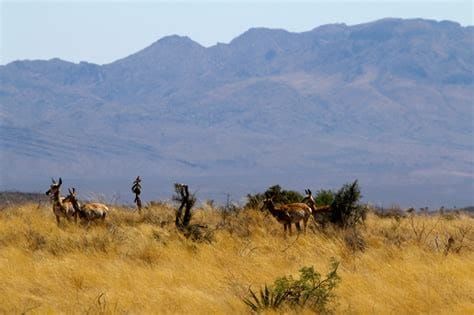
Wildlife Management The Pronghorn Lesson: Recovery Requires Room to Move Trans-Pecos pronghorn rebounded through translocation, habitat work and restored connectivity. Their recovery shows why wildlife management fails when it isolates one predator from the landscape around it. Byline: Pitchstone Waters
Wildlife Management Can We Eat Our Way Out of the Feral Hog Problem? Texas can turn some feral hogs into food and revenue. But a market is not the same thing as population control—and confusing the two can make the problem harder.
Wildlife Management When Wildlife Comes Back, Management Must Come Back With It The return of a predator is worth celebrating. It also brings conflicts, tradeoffs and a need for management based on evidence—not permanent emergency thinking.
Managing for Wildlife The Land is One System Land management fails when soil, water, plants, wildlife, livestock, and people are treated as separate problems. Pitchstone offers a more practical approach.
Wild Horse Fire Brigade Wildfire, Wild Horses and the High Cost of Fighting Fire Instead of Fuel Wild Horse Fire Brigade founder William E. Simpson II argues that America spends too much fighting wildfires after they ignite—and overlooks wild horses as a potential tool for reducing dangerous fuels.
Livestock & Grazing Can Better Grazing Improve Land? Ask What Changed on the Ground Grazing is neither automatically destructive nor automatically regenerative. Results depend on timing, intensity, recovery—and what the land actually does.
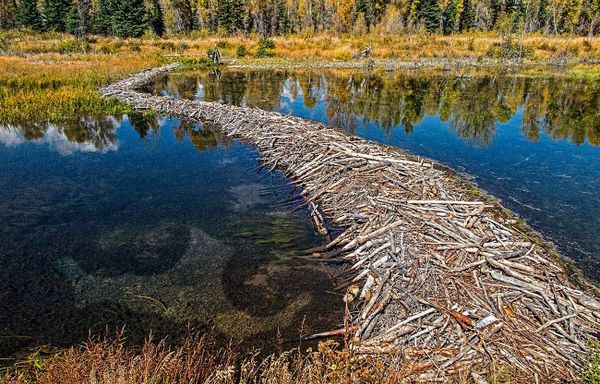
Water & Watersheds Repairing a Creek by Borrowing from Beavers Simple, permeable structures can help an incised creek catch sediment, spread water and reconnect with its floodplain—but only where the site fits the tool.
Wild Horses The SAFE Act Would Ban Horse Slaughter. It Would Not Solve the Wild Horse Problem The proposed SAFE Act draws a clear boundary against horse slaughter. It does not manage herds, restore range or resolve the growing cost of off-range care.
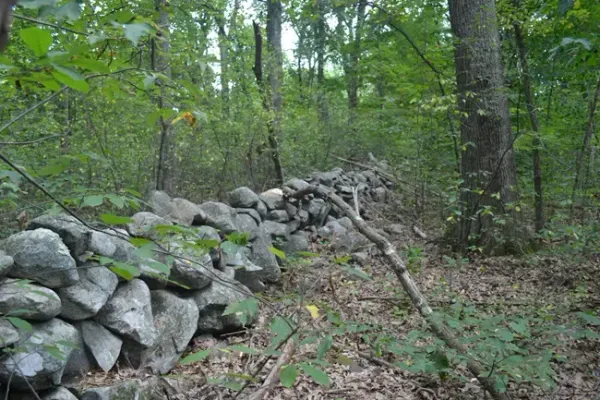
Abandoned Sites What the Ruins Teach Abandoned land does not stand still. Three landscapes show when nature can recover on its own—and when real restoration requires people to remove what is holding it back.
Invasive Species When “Invasive” Becomes a Substitute for Evidence Labels such as native, exotic, and invasive can guide conservation—or end the inquiry before it begins. Sound management requires evidence of origin, harm, context, and consequences.
Conservation Gulleys for Grassland Restoration: #7 Best Equipment When we divert rainstorm runoff from eroding gulleys to restore desertifying canyons and grasslands, what are the best equipment & practices?