Give Wildlife a Way Out of the Water Trough
A simple wildlife escape ramp can prevent drownings in livestock troughs. Use this field audit before choosing or installing a retrofit.

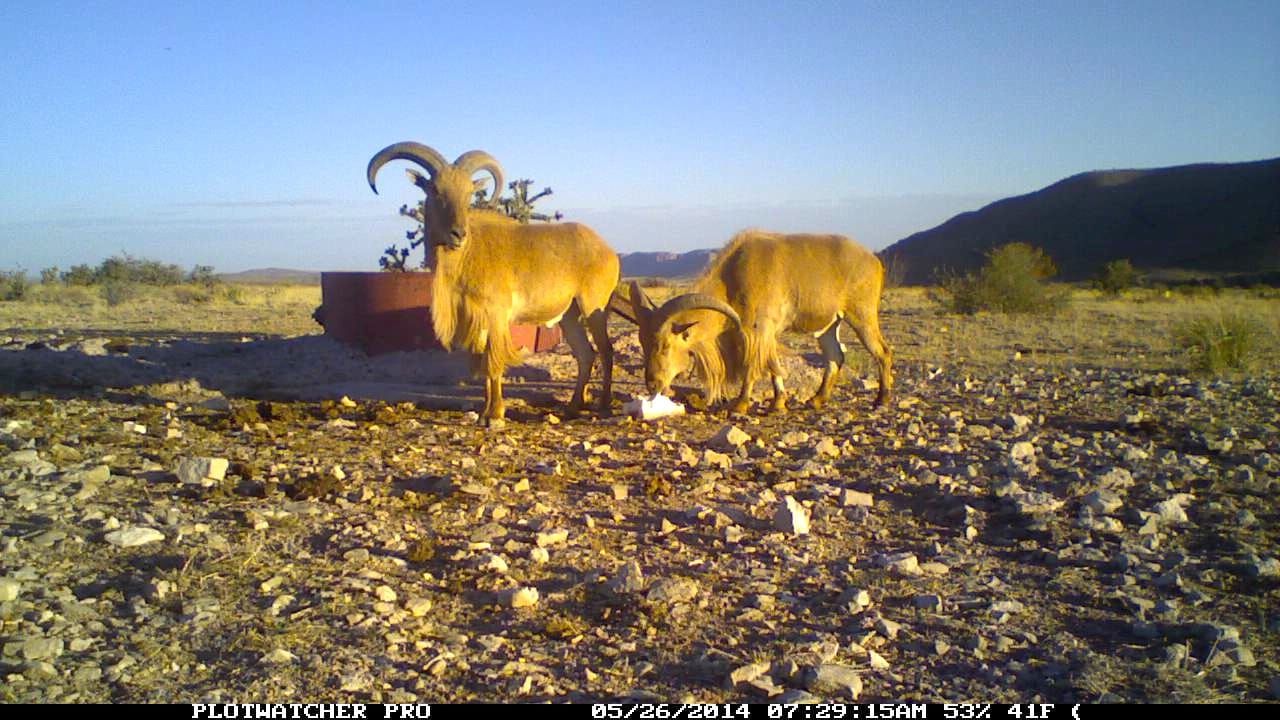
A livestock trough can be a water source for cattle, birds, bats, reptiles and small mammals. It can also become a trap.
The repair is usually simple. The inspection should be, too.
This is a field audit, not a construction specification. Before modifying a water system, use the current NRCS practice standard and site-specific guidance. But do not wait for a perfect project to notice an obvious hazard.
1. Walk the full perimeter
Look into the trough from every side. Check for drowned animals, feathers, hair or other signs of repeated entry. Note slick vertical walls, floating objects that cannot support weight and spaces where an animal could become trapped beneath a makeshift ramp.
Wildlife commonly swims along the perimeter searching for an exit. A ramp suspended in the middle may be visible to a person and useless to an exhausted animal.
2. Check whether the escape route touches the wall
NRCS guidance emphasizes that the ramp should meet the inside wall of the trough. Side wings should prevent an animal from swimming behind or under it. The structure should reach to the bottom or remain effective at the lowest operating water level.
A loose board wrapped in wire is not automatically an escape device. It can shift, float, steepen or leave a gap at the wall.
3. Test slope, grip and attachment
The NRCS Water for Wildlife guide recommends a slope no steeper than 45 degrees and a durable, grippable surface. Expanded metal, roughened fiberglass, concrete and other materials can work when correctly designed.
The ramp must be secured to the rim. Livestock, ice and maintenance can dislodge a structure that looked sound when installed. Check fasteners, corrosion, sharp edges and whether the ramp interferes with normal livestock use.
4. Match the number of exits to the trough
On a small narrow trough, one correctly placed ramp may be enough. Larger troughs require more opportunity. The NRCS guide recommends at least one escape structure for every 30 linear feet of perimeter.
Placement matters for flying wildlife as well. In a narrow rectangular trough, putting the ramp at an end can preserve an open flight path for birds and bats approaching the water.
5. Inspect through the operating range
Return when the water is low. A ramp that works only at the full line is not a complete fix. Recheck after freezing weather, high livestock pressure, cleaning or repair.
Record the inspection date and photograph the installation from above and from the side. The point is not to create paperwork. It is to notice when a once-useful structure stops working.
6. Correct the system, not just the symptom
Dirty water, leaks, chronic overflow and unstable approaches may create other problems for livestock, soil and wildlife. A trough audit can expose those conditions, but an escape ramp does not solve them. Ask whether the whole watering facility is functioning as intended.
Texas Parks and Wildlife Department notes that water can be important to scaled quail, especially during drought and for immature birds. Its guidance also recommends ramps in stock tanks to provide access and prevent drowning. That link between livestock infrastructure and wildlife is not an inconvenience. It is part of managing working land as habitat.
Explore Pitchstone’s broader wildlife and biodiversity work, then take ten minutes at the next trough. Good stewardship is often less dramatic than a new program. Sometimes it is a secure piece of grating in exactly the right place.