
The Best Monitoring Program Starts With a Decision
A new USGS framework shows why restoration programs should decide what information will change management before collecting more data.

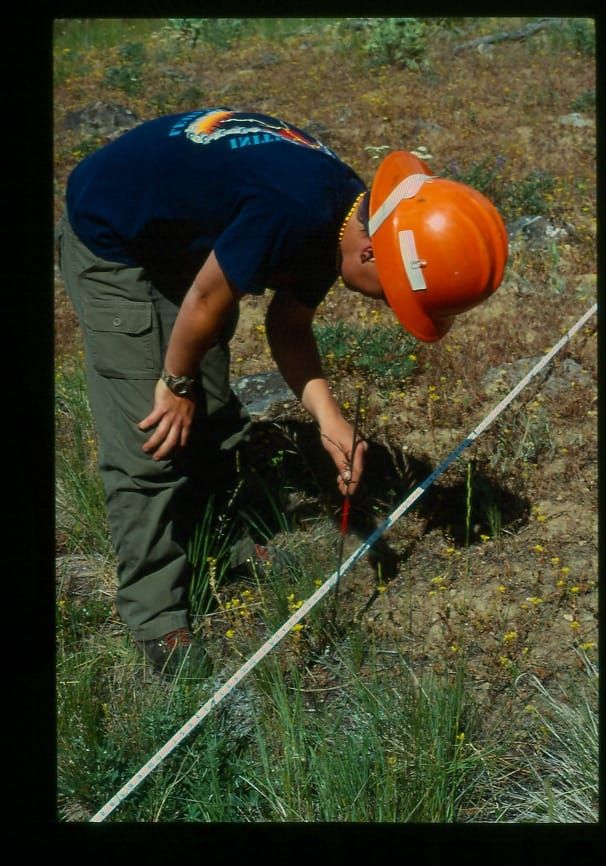
Land managers are often told to monitor more. More transects. More photographs. More water samples. More years of data.
But information is not automatically useful because it is accurate. A measurement becomes valuable when it helps someone make a better decision.
That distinction sits at the center of a 2026 U.S. Geological Survey report on long-term research and monitoring for the Upper Mississippi River Restoration program. The report is not a verdict on restoration outcomes. It describes how partner agencies decided which unanswered questions were worth sustained investment.
The surprising lesson travels well beyond the Mississippi: the first step in designing monitoring is not choosing a metric. It is naming the decision the metric is supposed to improve.
Start with the choice
The Upper Mississippi program faced a familiar problem. Its partners could identify many useful information needs, but resources were finite. Adding every attractive measurement would create an expensive program without establishing which information mattered most.
The planning team first defined the decisions it needed to make and the outcomes it wanted. It then identified gaps in existing monitoring, developed criteria for estimating the benefit of filling each gap, estimated costs and used an optimization process to compare portfolios of work.
This is not glamorous. It is also the difference between monitoring as institutional habit and monitoring as management.
On a ranch, preserve or watershed project, the same discipline begins with plain questions:
- Are we deciding whether to continue a treatment?
- Are we choosing where to put the next dollar?
- Are we testing whether a practice works under drought?
- Are we trying to detect harm early enough to change course?
- Are we learning for this property, or attempting to support a broader claim?
Each decision calls for different evidence. A repeat photograph may show vegetation structure. It cannot measure groundwater. A stream gauge may reveal flow but not explain why a bird population changed. A species count can document presence while missing whether habitat is becoming more resilient.
More data can preserve confusion
Monitoring programs often inherit their measures. A number appears in an annual report because it appeared in last year’s report. Over time, collecting the number becomes the objective.
The danger is not merely wasted effort. An easy metric can pull attention away from the process that matters. Acres treated may say little about whether soil remained covered, water stayed longer or desired vegetation recovered. Animals counted may say little about recruitment, movement or habitat quality. Money spent does not reveal whether a project will persist after payments end.
Good monitoring therefore needs a stopping rule. If a result will not alter the treatment, the budget, the location or the next question, why is it being collected? Sometimes the answer is a legal obligation or the value of a long time series. Those are legitimate reasons. They should be stated rather than assumed.
Build a portfolio, not a wish list
The USGS team compared groups of information needs against both benefit and cost. That matters because land management is never governed by one objective. A useful monitoring portfolio may need to protect water, habitat, livelihoods and future flexibility at once.
The goal is not to turn a ranch decision into a federal optimization exercise. It is to make the tradeoffs visible. One expensive measurement may be worth more than ten cheap ones if it resolves the uncertainty blocking action. Another may be scientifically interesting but irrelevant to the choice at hand.
Pitchstone’s editorial philosophy begins with the whole system. Monitoring should do the same. Soil, water, plants, wildlife, money and management capacity belong in the frame—but only at a level that can actually be maintained and used.
Before collecting another number, finish this sentence:
> If this result crosses this threshold, we will change this decision.
If the sentence cannot be completed, the monitoring plan is not finished.