Restoring Biodiversity - 10/20/2026
This week’s edition asks a practical question with wide consequences: how should land, wildlife, fire, and conservation programs be judged when labels and intentions are easier to measure than results


This week’s stories return to a recurring Pitchstone Waters theme: the most important management decisions are often obscured by the wrong debate. “Managed” versus “unmanaged.” Grazing as villain or cure. Enrollment as conservation. Classification as proof. Policy announcement as accomplishment.
Across these pieces, the more useful question is simpler and harder at the same time: what is actually happening on the ground, and what evidence would justify staying the course or changing it? If stewardship is going to mean anything, it has to survive contact with weather, economics, wildlife, and time.
Articles
What Conservation Incentives Can—and Cannot—Buy
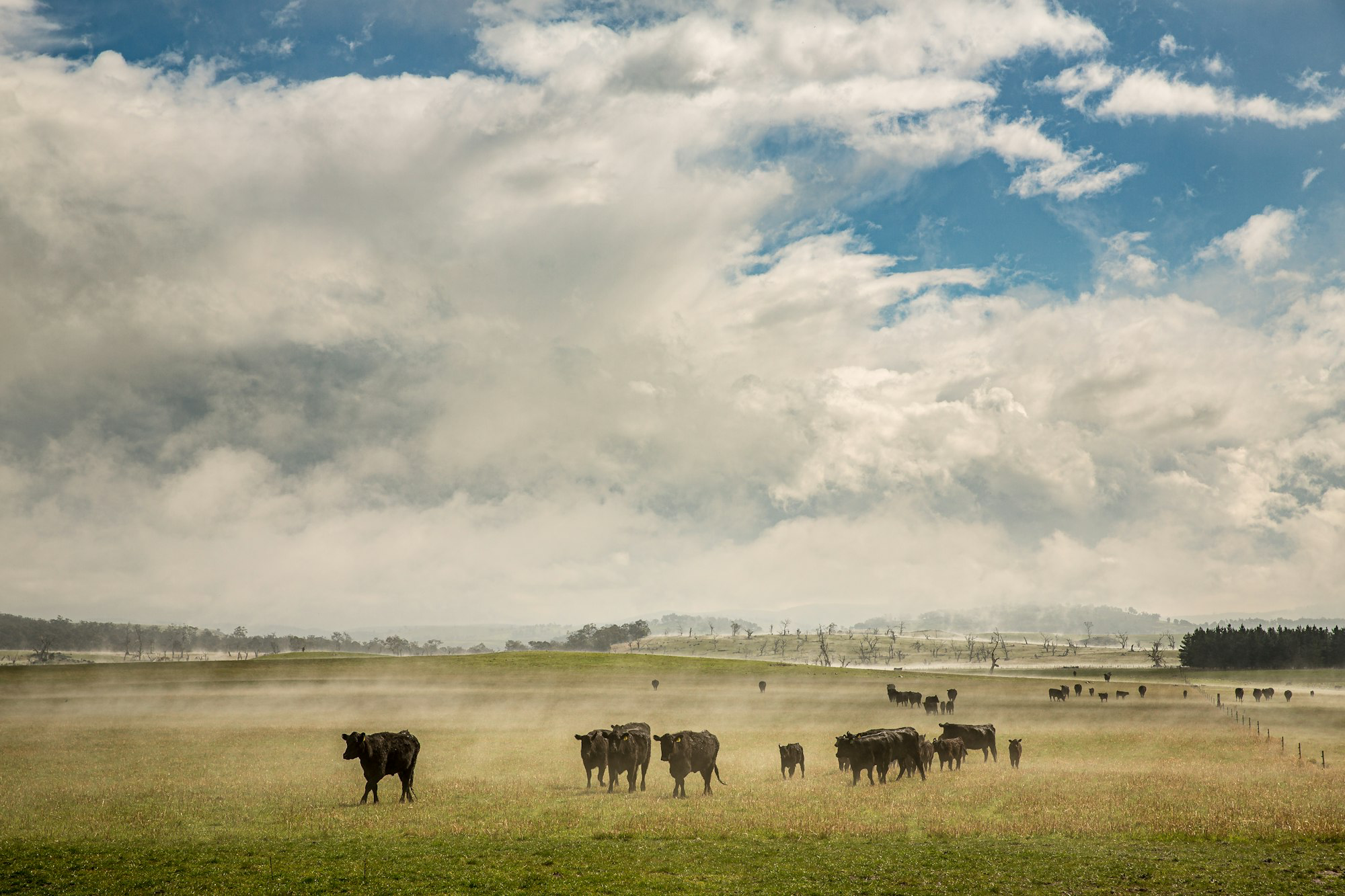
Millions of acres enrolled in conservation programs make for an impressive headline. But acres under contract are not the same thing as ecological function restored, habitat connected, or stewardship made durable.
This article gets at a tension that matters far beyond one USDA announcement: incentive programs are necessary in many places, but their real test is whether they purchase outcomes that persist after the check is gone. If you care about working lands conservation, this is a useful framework.
The Texas Elk Dispute Was Never Just About Elk
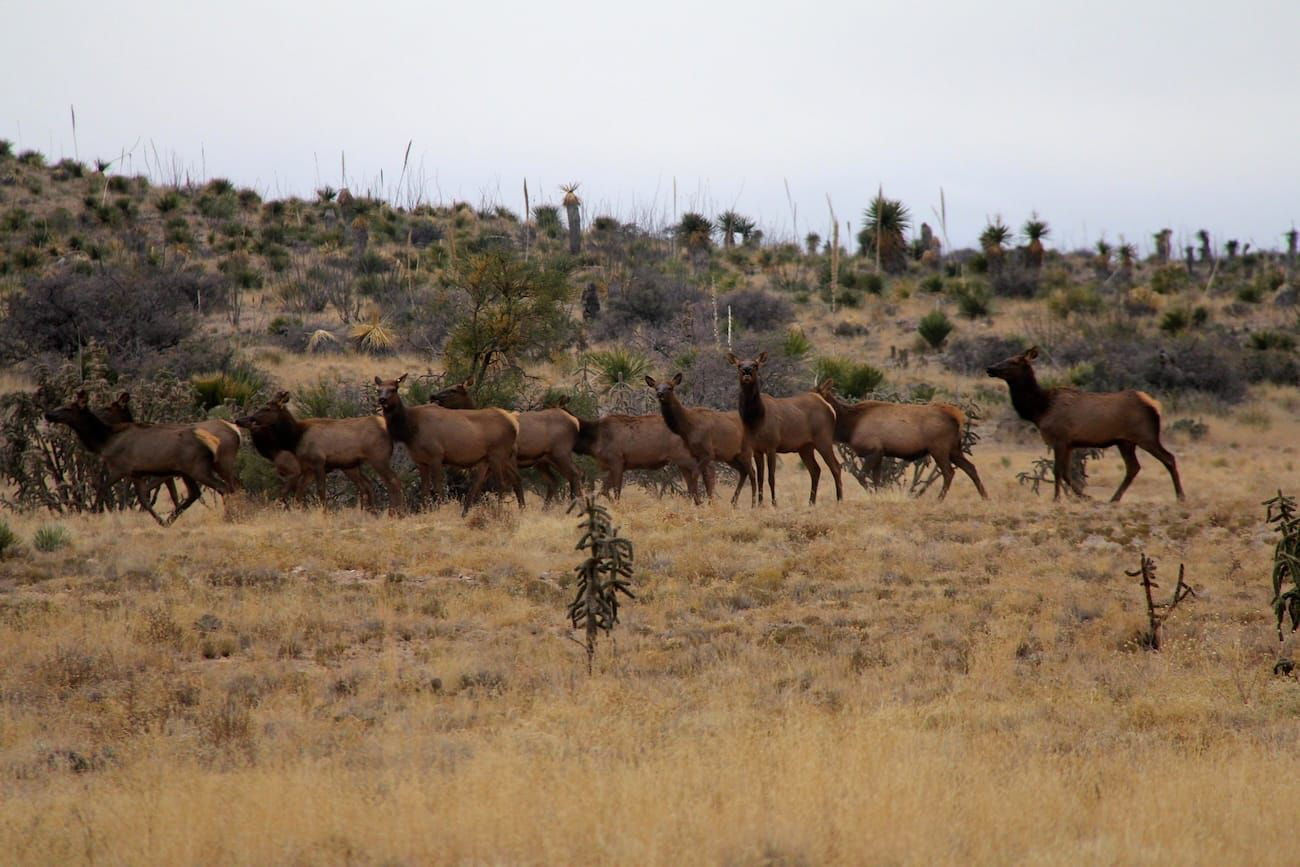
Some wildlife disputes are really disputes about evidence, authority, and the consequences of classification. This one shows how a legal label can quietly become a management instruction with major practical effects.
The deeper value of the piece is not only the historical question about elk in Texas. It is the broader warning: when a category drives lethal or sweeping management decisions, the reasoning behind that category deserves to be inspected rather than assumed.
Build a Photo Point That Can Tell You Something
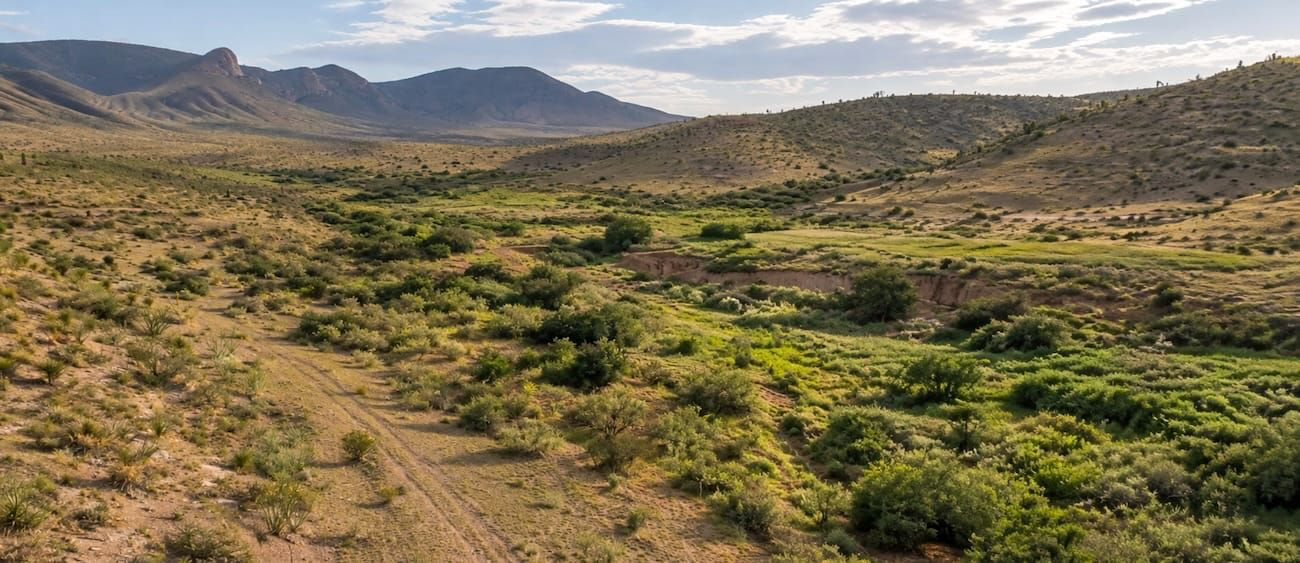
Monitoring advice can quickly become abstract. This piece doesn’t. It focuses on one of the simplest field tools available to a land manager and asks what would make it useful rather than performative.
If you have ever looked back at a pasture, draw, or stream reach and realized memory was doing more work than evidence, this article offers a practical standard for building a repeatable visual record that can actually inform a decision.
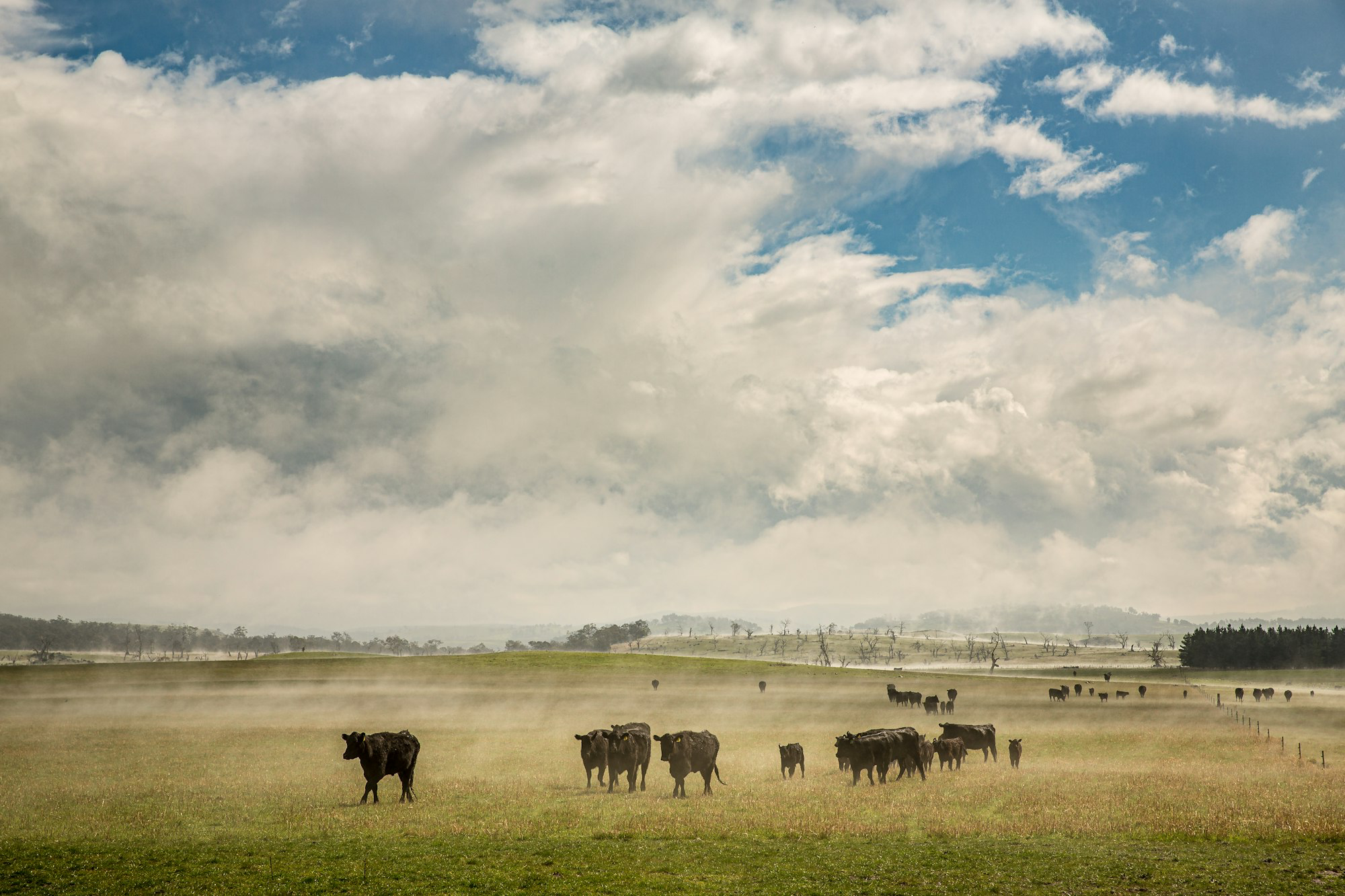
Grazing Is a Management Decision, Not a Verdict
Pitchstone’s newest piece takes on one of the most persistent shortcuts in land management: treating cattle themselves as the answer. The article argues that outcomes depend far more on timing, stocking, recovery, weather, and site conditions than on slogans for or against grazing.
What makes this one especially useful is the way it holds both research and case evidence to the same standard. Labels do not settle the question. Land response does.
Connecting the Dots
Several of this week’s stories converge on the same discipline: separate the tool from the outcome.
Grazing is not automatically harmful or restorative because of what it is called. Conservation incentives do not prove conservation because acres were enrolled. Wildlife classifications do not prove management is justified because a label exists. Even monitoring photographs are only as good as the decision they inform.
That may sound obvious, but it is a demanding standard. It requires managers and institutions alike to state objectives clearly, watch what the land does next, and accept adjustment when the evidence points the other way.
Looking Ahead
The practical conservation questions worth following are often not the loudest ones. Can incentive programs show durable ecological gains rather than just participation? Can land managers build better evidence before arguments harden into ideology?
Those are not glamorous questions. They are the ones that shape what happens on the ground.
And that's it—as always, thank you.
If you haven't already, please explore more of our views on biodiversity and practical land stewardship at Pitchstone Waters.
Please pass this along—and if you received it from a friend, consider subscribing.