Wildlife & Biodiversity Hunting Is a Management Tool, Not a Moral Shortcut A responsible hunting decision starts with a defined ecological problem, evidence, humane practice, alternatives and measurable follow-up.
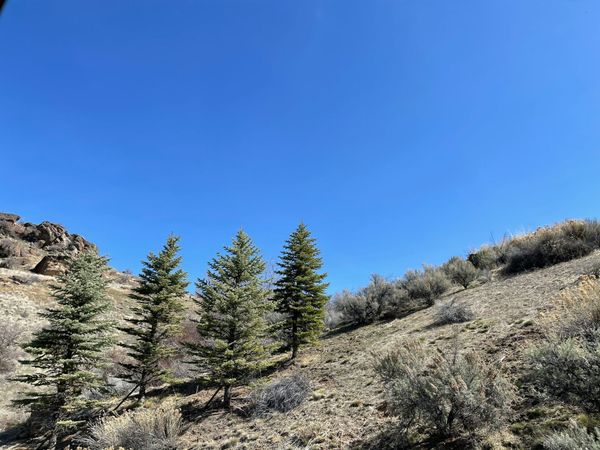
Wildlife Management When More Trees Mean Less Habitat Trees are not always a sign of recovery. In grasslands and sagebrush country, woody encroachment can reduce forage, water and wildlife habitat.
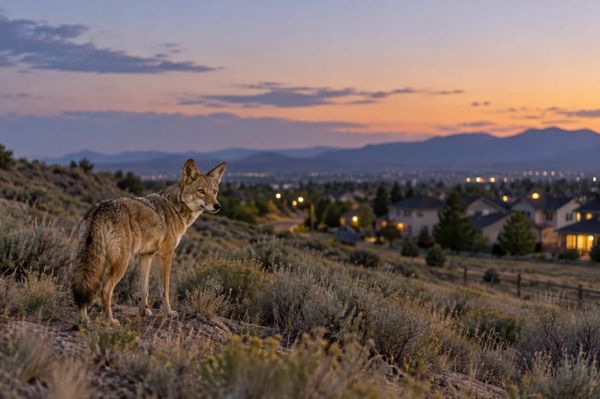
Wildlife Management When Coexistence Stops Working: A Threshold Test for Predator Management A new urban-coyote framework asks a broader wildlife-management question: What behavior should trigger education, deterrence, investigation or targeted removal?
Bison Bison Do Not Simply Follow Spring. They Help Create It. In Yellowstone, bison do more than follow nutritious new grass. By moving, grazing and returning, they can keep parts of the landscape green.
Bats A Bat Colony Is Only as Healthy as the Country Around It A cave can shelter hundreds of thousands of bats. It cannot feed them. Protecting a bat flight means protecting the insects, water and open country beyond the roost.
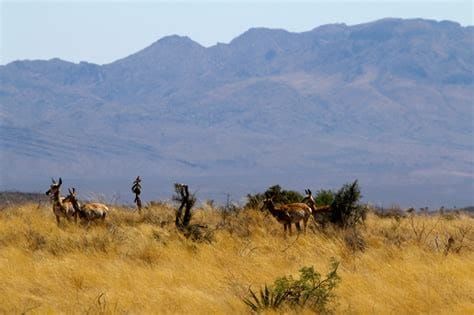
Wildlife Management The Pronghorn Lesson: Recovery Requires Room to Move Trans-Pecos pronghorn rebounded through translocation, habitat work and restored connectivity. Their recovery shows why wildlife management fails when it isolates one predator from the landscape around it. Byline: Pitchstone Waters
Wildlife Management Can We Eat Our Way Out of the Feral Hog Problem? Texas can turn some feral hogs into food and revenue. But a market is not the same thing as population control—and confusing the two can make the problem harder.
Wildlife Management When Wildlife Comes Back, Management Must Come Back With It The return of a predator is worth celebrating. It also brings conflicts, tradeoffs and a need for management based on evidence—not permanent emergency thinking.
Conservation Pitchstone Waters, by Shawn Vickers Shawn Vickers does mapping and wildlife planning for many ranches and public lands in North America, East Africa and the British Isles. He filmed, edited and wrote the music for this little video.
"Invasion Biology" Holistic Management at Work Holistic management uses a long term planning process that assigns to environmental and social outcomes the same importance as profits.
Bio-Diversity Yellowstone Elk Migration Trail: Amazing Camera Trap Highlights Elk, mule deer, coyotes, wolves, grizzly bear, and a porcupine all use the same trail high in the mountains of western Wyoming in this video by the Wyoming Migration Initiative
Biodiversity Animal Trails: Rediscovering Grand Teton Migrations Recent GPS tracking of migratory mule deer and other big game species revealed that animal trails radiate out in all directions from Jackson Hole to the far reaches of the Greater Yellowstone Ecosystem.
"Invasion Biology" Want to Fight the Feral Hog Problem in Texas? Start With $8k, a Helicopter and a Machine Gun. “Helicopter hog hunting in and of itself does not reduce the total feral hog population by a very large amount,” Britt said, “but it can manage a regional area.”
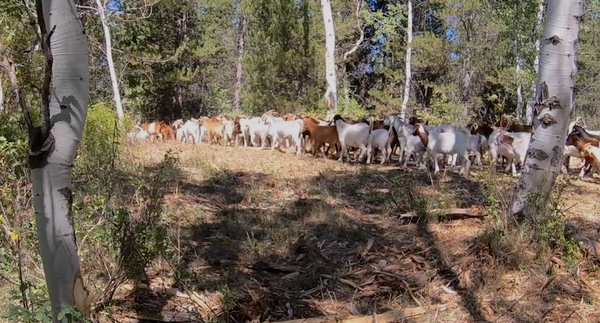
Animal Growth Goats Clearing Meadows and Forest at Pitchstone Waters #3 Third in a series: On the Fall River in Idaho, 5-miles from the southwest corner of Yellowstone Park, we use goats instead of herbicides to control weeds and stimulate grasses in sagebrush meadows. Third in a series. NOTE: this post was originally published to this site on October 21,
Bio-Diversity Goats Clearing Meadows and Forest at Pitchstone Waters #2 We use goats instead of herbicides to control weeds and stimulate grasses in sagebrush meadows.
Bio-Diversity Goats Clearing Meadows and Forest at Pitchstone Waters #1 We use goats instead of herbicides to control weeds and stimulate grasses in forests and meadows
Elk Why I Hunt: A New Mexico Elk Hunt Special thanks to RMEF Films partner Bass Pro Shops and the Express UU Bar Ranch in New Mexico. Thanks to their commitment to conservation, RMEF is able to tell this story
Baby Bears Baby Black Bear Learns the Ropes A baby black bear must "learn the ropes" from mom in order to survive.
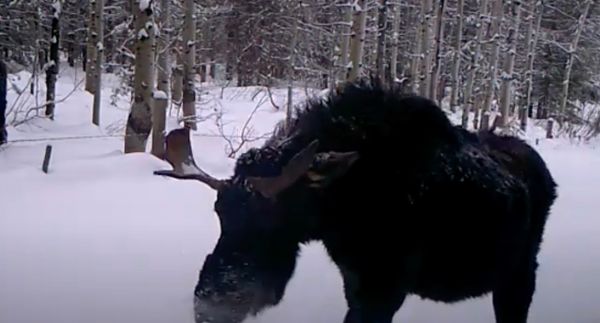
"Wolves" Wolves and Moose at Pitchstone Waters It’s springtime at Pitchstone Waters Ranch, which means that we can access our game cameras in the high forests along our boundary with the national forest, and see last winter’s photos.
Bio-Diversity Goats, Brush, Weeds and Wildfire Goats and cattle can reduce brush, control “weeds” and forbs, reduce wildfire and stimulate plant growth on forest floors and meadows
Beaver Dams How Do Beavers Build a Dam? Impoundments are crucial for the species as they provide ponds as protection against predators. And the beavers of the wet grassland of Wyoming are certainly no exception to the rule.
Bio-Diversity Living Soil Film This 60-minute documentary features innovative farmers and soil health experts from throughout the U.S.
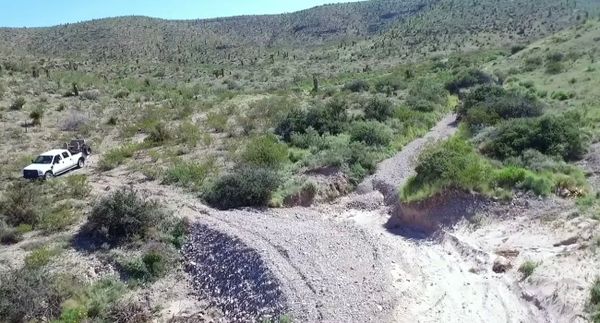
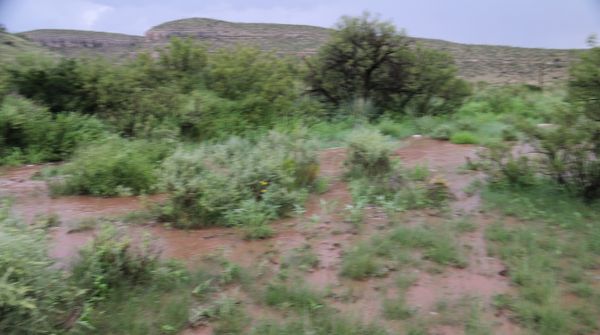
Conservation Gulleys for Grassland Restoration: #7 Best Equipment When we divert rainstorm runoff from eroding gulleys to restore desertifying canyons and grasslands, what are the best equipment & practices?
Bio-Diversity Gulleys for Grassland Restoration #9: Harvesting Water in Steep Canyons Restoring the Southwest’s desert grasslands takes water. Most ranches treat eroding gulleys and roads – and their stormwater runoffs – as liabilities.
Bio-Diversity Gulleys for Grassland Restoration #8 - Using an Eroded Gulley to Recreate a Wet Meadow Like roads, wells and power lines, the irrigation system requires monitoring and maintenance, approached as just one of a body of holistic practices being applied together.