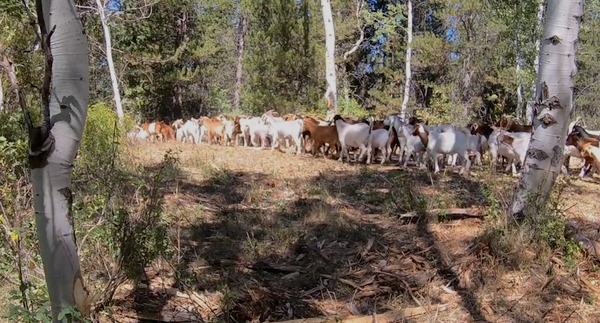
Bio-Diversity Goats Clearing Meadows and Forest at Pitchstone Waters #4 We use goats instead of herbicides to control weeds and stimulate grasses in sagebrush meadows
Animal Growth Goats Clearing Meadows and Forest at Pitchstone Waters #3 Third in a series: On the Fall River in Idaho, 5-miles from the southwest corner of Yellowstone Park, we use goats instead of herbicides to control weeds and stimulate grasses in sagebrush meadows. Third in a series. NOTE: this post was originally published to this site on October 21,
Bio-Diversity Goats Clearing Meadows and Forest at Pitchstone Waters #2 We use goats instead of herbicides to control weeds and stimulate grasses in sagebrush meadows.
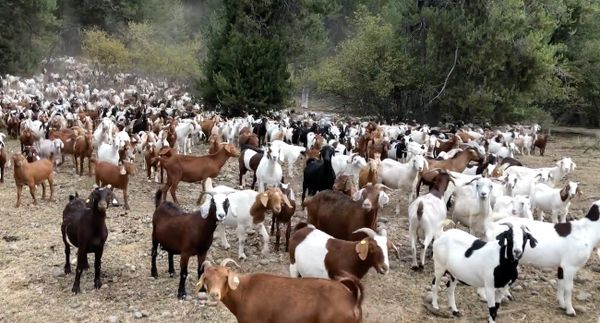
Bio-Diversity Goats Clearing Meadows and Forest at Pitchstone Waters #1 We use goats instead of herbicides to control weeds and stimulate grasses in forests and meadows
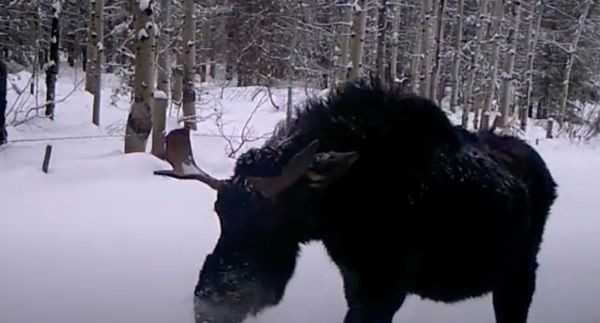
"Wolves" Wolves and Moose at Pitchstone Waters It’s springtime at Pitchstone Waters Ranch, which means that we can access our game cameras in the high forests along our boundary with the national forest, and see last winter’s photos.
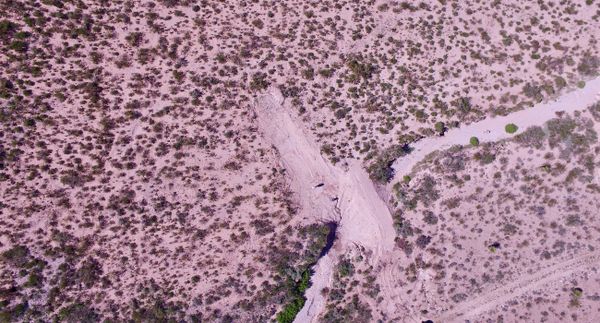
Bio-Diversity Gulleys for Grassland Restoration #9: Harvesting Water in Steep Canyons Restoring the Southwest’s desert grasslands takes water. Most ranches treat eroding gulleys and roads – and their stormwater runoffs – as liabilities.
"Invasion Biology" Gulleys for Grassland Restoration #5: Upper Pennel Canyon at Circle Ranch Using a mountain gulley for erosion control and desert grassland restoration.
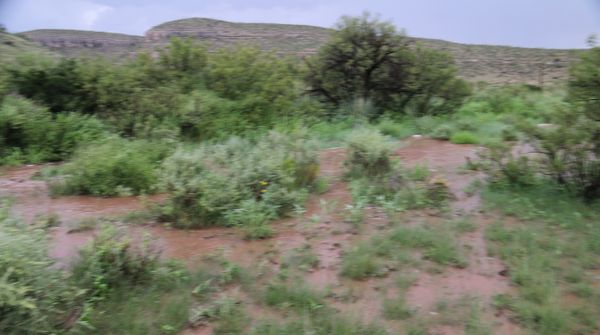
Bio-Diversity Gulleys for Grassland Restoration #8 - Using an Eroded Gulley to Recreate a Wet Meadow Like roads, wells and power lines, the irrigation system requires monitoring and maintenance, approached as just one of a body of holistic practices being applied together.
"Invasion Biology" The Rules that Govern Life on Earth - with Sean B Carroll Evolutionary biologist Sean B Carroll reveals how a few simple rules govern all life on earth, from the cells in our bodies to populations of animals on the Serengeti.
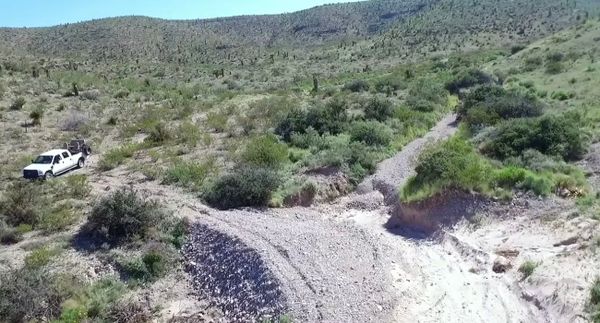
Bio-Diversity Gulleys for Grassland Restoration #3 Eroded galleys can be used to restore desertifying grasslands – alongside creosote bush – without chemicals.
"Invasion Biology" Drought Busters 101 “Drought Busters” is an inexpensive, quick, physiologically and economically sustainable method of habitat and wildlife restoration.
Bio-Diversity "Conserving" Wild Bison? Decades of experience with wildlife and forestry management show that state agencies generally produce better results than federal agencies.
Resources America’s Ambitious Plan to Restore the Wild West By reintroducing iconic species like bison and pronghorns, we’re helping them reclaim their rightful place on the plains.
Bio-Diversity Rangeland Restoration: Subsoil Contour Plowing at Circle Ranch, in far-West Texas Subsoil contour plowing is an excellent way to increase water absorption in the desert grasslands of far-West Texas and Southern New Mexico. The effectiveness of the practice is shown in these before-and-after comparisons. NOTE: this post was originally published to this site on October 9, 2017, and
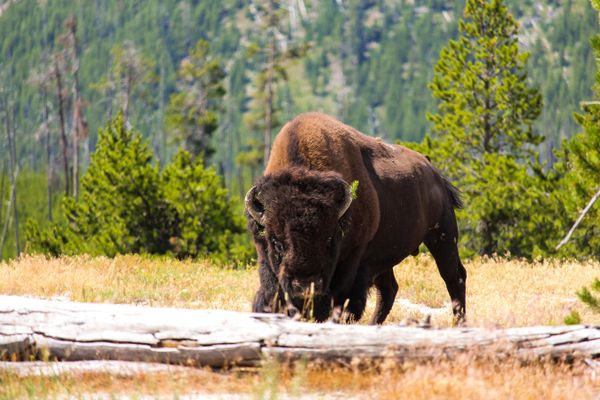
"Invasion Biology" Restoring Bison at the American Prairie Reserve At the American Prairie Reserve in Northeastern Montana, the plan is to recreate the world’s largest bison herd.
Bio-Diversity Church-Affiliated Ranch Balances Agriculture and Conservation in Central Florida This commercial farming and ranching operation is situated on about 295,000 acres in parts of three Florida counties between Orlando and Melbourne.
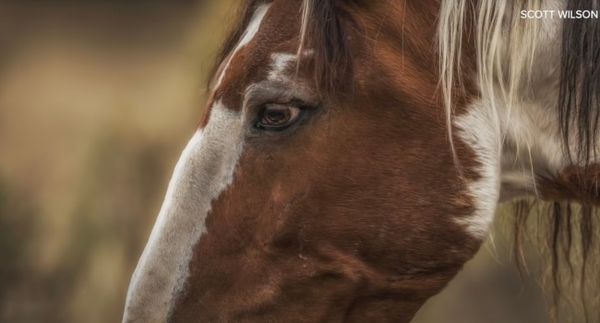
"Invasion Biology" The Life and Legend of America's Most Famous Wild Horse Picasso is a nearly 30-year-old pinto who still roams free in the Sand Wash Basin in northwestern Colorado. NOTE: this post was originally published to this site on April 25, 2022
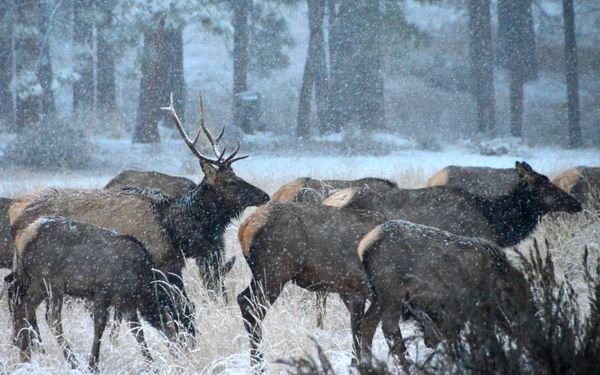
"Invasion Biology" Elk Restoration “There is perhaps no higher calling for a wildlife conservation organization than restoring extirpated wildlife species back to their historic ranges.”
Animal Development Allan Savory: Planned Cattle Grazing Where the Rubber Hits the Road In this 45-minute video, the Dean of holistic range science – Allan Savory – discusses on-the-ground application of holistic planned grazing. West Texas and New Mexico ranchers will find many helpful insights, observations and suggestions in this wide-ranging discussion of range and wildlife practices. NOTE: this post was
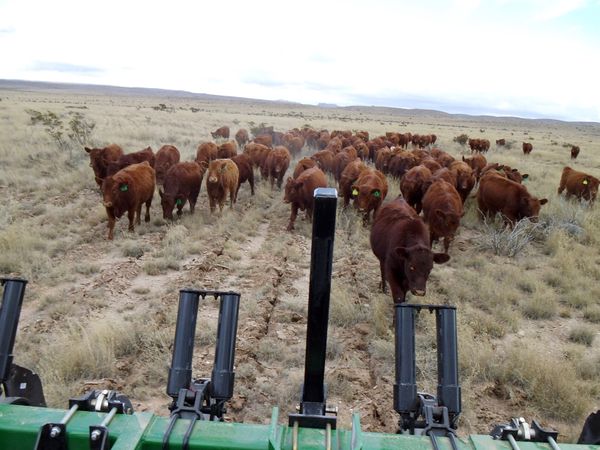
Grazing The Circle Ranch Herd Moving to New Pasture The WMA’s and the Big Bend National Park, are under total rest and drastic removal regimes intended to ‘protect’ the land and plants from overuse by animals, and the animals from ‘competition’.
Bio-Diversity Herd Impact Husband and wife ranchers Emry Birdwell and Deborah Clark have been going against the grain of North Texas ranching for decades – hiding their ability to raise many, many more cattle per acre than any of their neighbors. They are a fiery couple, prone to snips as they get their field
"Invasion Biology" Restoring Sonoran Desert Grasslands with Cattle The Cuenca Los Ojos Foundation works to preserve and restore the biodiversity of the US/Mexican borderlands through land protection, habitat restoration and wildlife reintroduction.
Yeomans Keyline Keyline 101: Desert Grassland Restoration This video was filmed in the Sierra Diablo Mountains, Hudspeth County, far-West Texas, for presentation at the Quivira Coalition Conference in Albuquerque, November 11, 2015.
Regenerative Ranching During the Drought Michael Thompson, a young farmer in Kansas, is regenerating his soils with no-till, cover-crops practices coupled with Adaptive Multi-Paddock (AMP) grazing - giving his farm resilience during the severe 2011 and 2012 droughts.
"Invasion Biology" Are Goats and Sheep Compatible? These ranchers move their sheep and goats to a new paddock surrounded by electric net fence. There are many things to consider. Sheep like to go under net fences while goats jump over.