Restoring Biodiversity — 9/29/2026
Beavers as watershed engineers, grazing judged by results, wild horses as a wildfire tool—and why successful wildlife recovery creates a new management challenge.


Thank you for subscribing to the Pitchstone Waters weekly newsletter.
This week’s stories share an unusually clear idea: the land rarely responds well to one-size-fits-all prescriptions.
A damaged creek may benefit from structures that imitate beavers. Grazing can improve or degrade land depending on how it is managed. Wild horses may create problems in one landscape while potentially providing value in another. And when wildlife populations recover, yesterday’s conservation strategy may need to evolve.
The common thread is something Pitchstone has learned repeatedly on the ground: understand the system, measure what actually changes, and be willing to adjust.
Here is what we’ve been reading, watching and writing about over the past week…
Articles
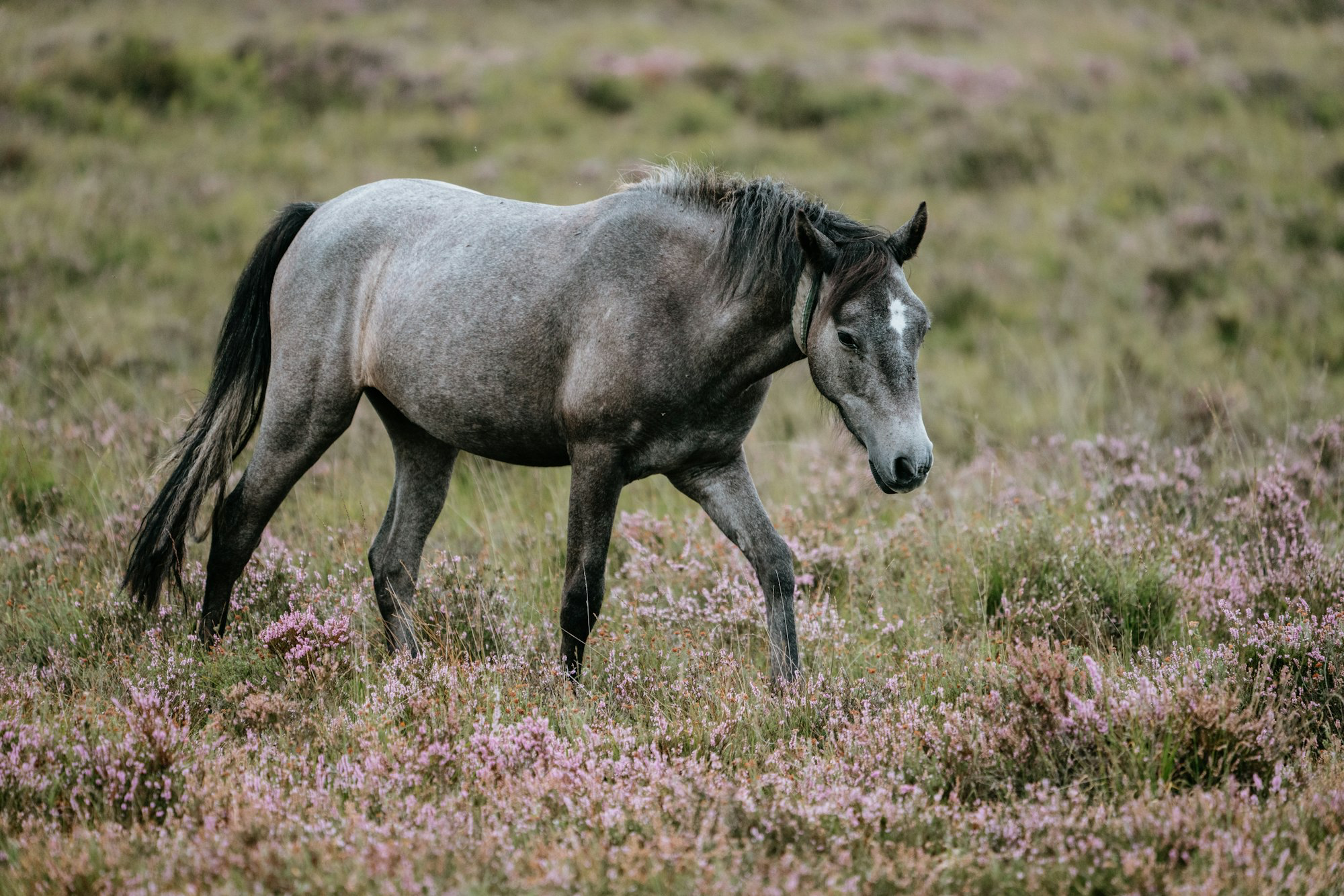
The SAFE Act Would Ban Horse Slaughter. It Would Not Solve the Wild Horse Problem
The proposed SAFE Act asks a straightforward question about horse slaughter. But America’s wild-horse problem contains a much harder set of questions involving growing herds, finite Western forage, off-range holding and the cost of managing animals removed from public land.
A prohibition can settle one moral question without solving the underlying management problem. So what would a genuinely durable wild-horse strategy have to address?
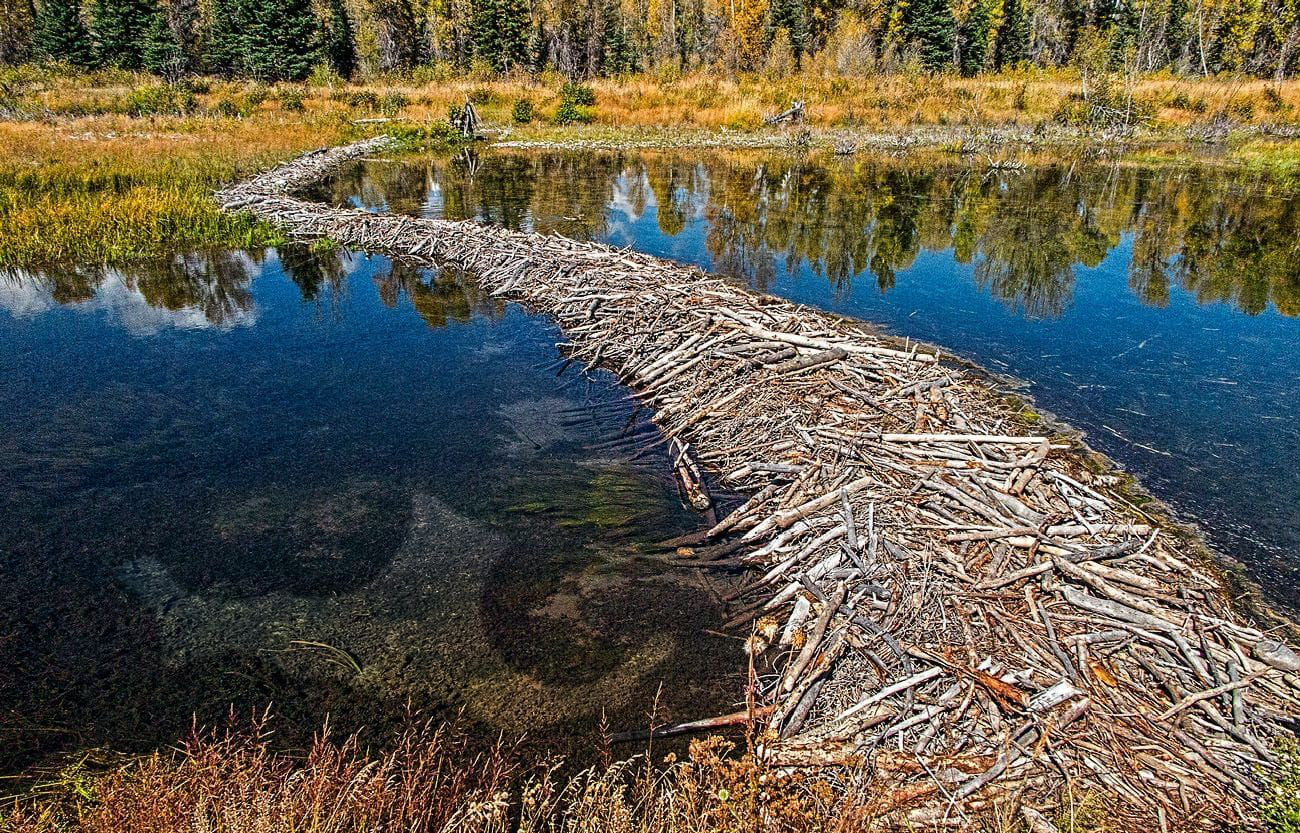
Repairing a Creek by Borrowing from Beavers
A creek can still carry water while losing many of the functions that once made it healthy.
When channels cut downward, water moves through the landscape differently. One increasingly used restoration approach borrows from an animal that has been slowing, spreading and storing water for millennia: the beaver.
Simple permeable structures can sometimes help restart those processes. But the interesting part is where they work, where they don't, and what has to happen before a damaged creek can begin doing more of the repair itself.
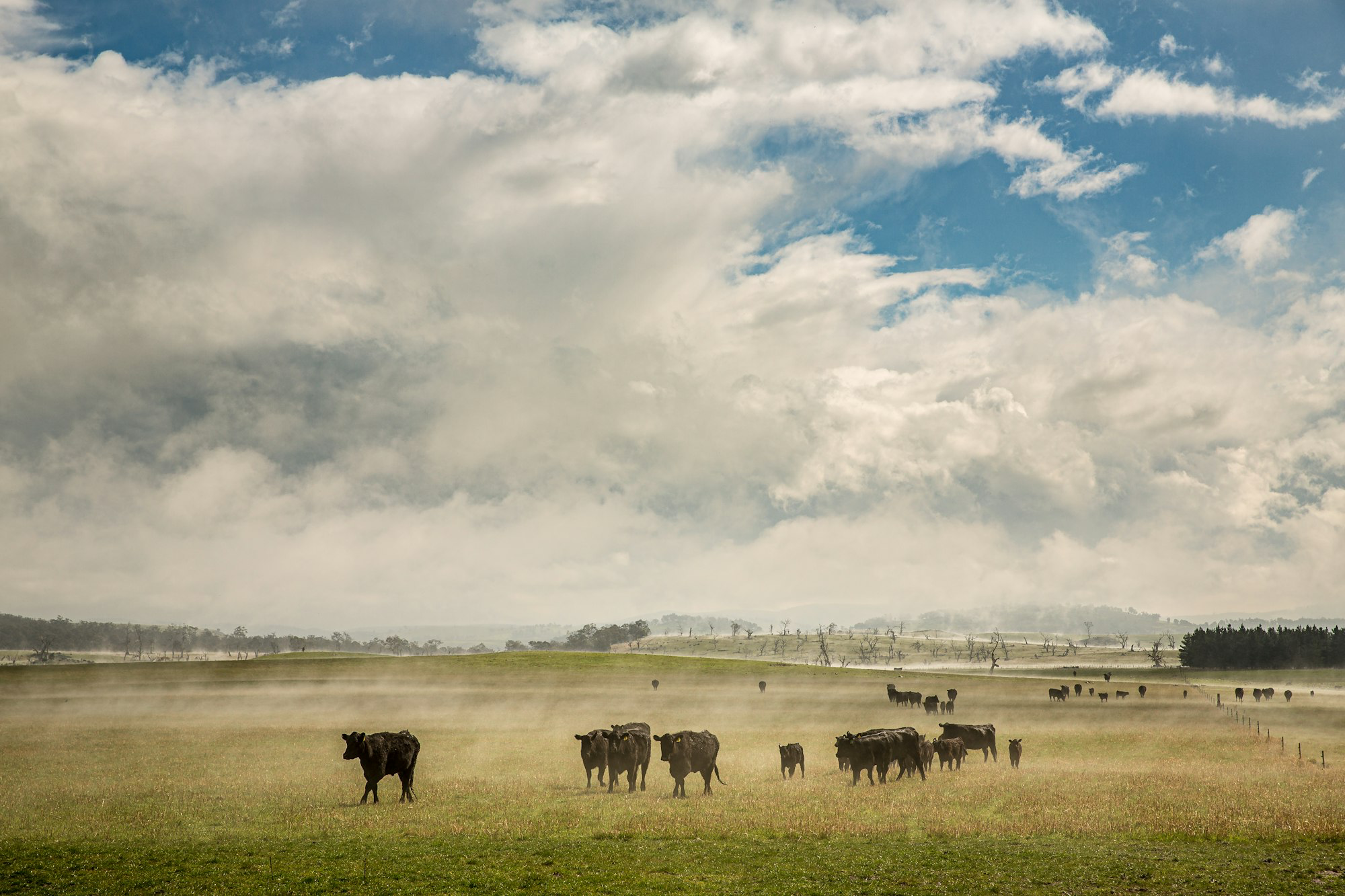
Can Better Grazing Improve Land? Ask What Changed on the Ground
Claims about “regenerative,” “rotational” and “adaptive” grazing are everywhere. The research is considerably more interesting than either side of the debate often suggests.
Some studies show encouraging changes in soil carbon, nutrients and water behavior. Other controlled experiments expose tradeoffs involving forage, cattle performance and wildlife habitat.
Pitchstone's question is simpler: What actually changed on the ground? The answer provides a much better way to judge grazing than the label attached to the practice.
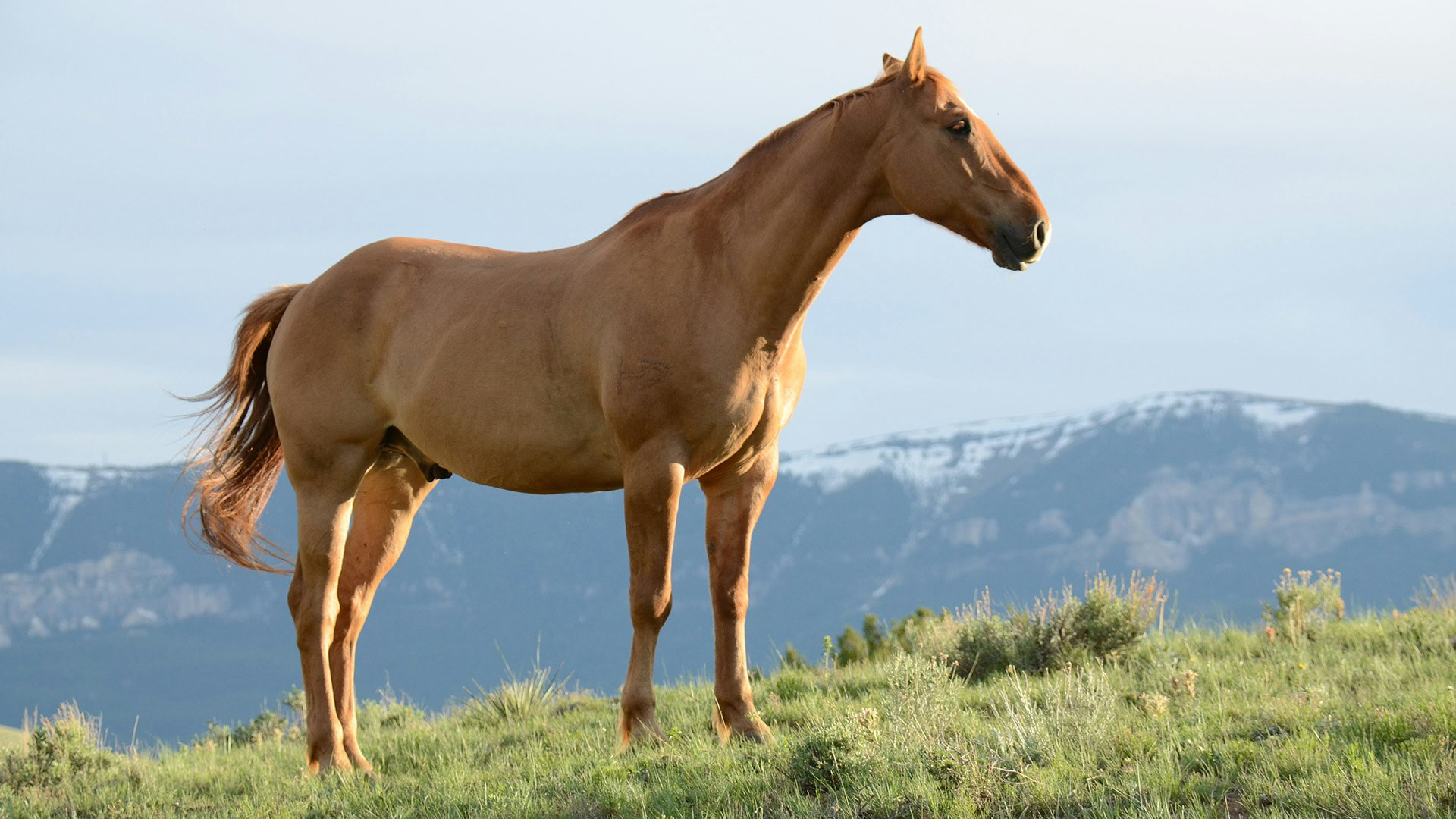
Wildfire, Wild Horses and the High Cost of Fighting Fire Instead of Fuel
Wild Horse Fire Brigade founder William E. Simpson II argues that America's wildfire strategy puts too much emphasis on fighting fires after ignition—and too little on reducing the vegetation that allows them to spread.
His proposed alternative is provocative: instead of maintaining thousands of wild horses in costly off-range facilities, could some be relocated to suitable fire-prone landscapes and used as year-round grazers?
Simpson makes the case with research, federal documents and his own observations from wildfire country. The proposal raises plenty of questions. That's precisely why he argues it deserves to be tested.
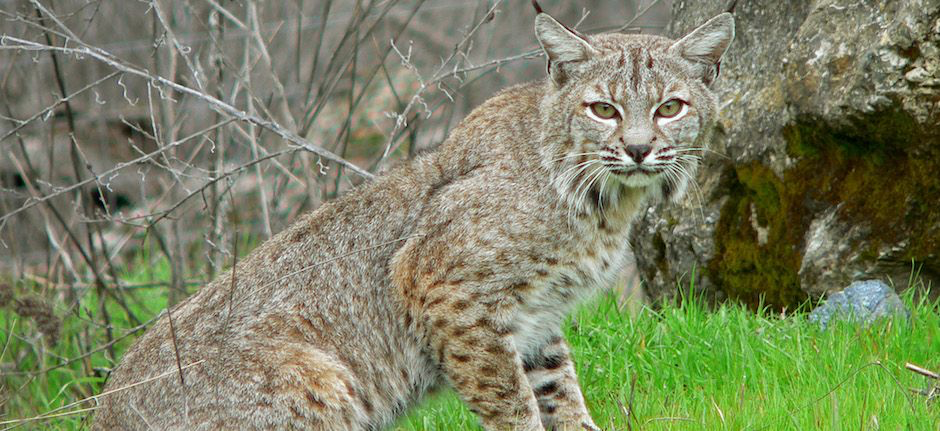
When Wildlife Comes Back, Management Must Come Back With It
Bringing a predator back from decline is a conservation success. But success changes the management problem.
Bobcats offer a useful example. More sightings around people can reflect population growth, changing habitat—or simply the fact that trail cameras, doorbell cameras and social media now reveal animals that once passed unnoticed.
So when does protection remain the right strategy, and when does intervention become justified? The answer begins by separating what we're seeing from what the population is actually doing.
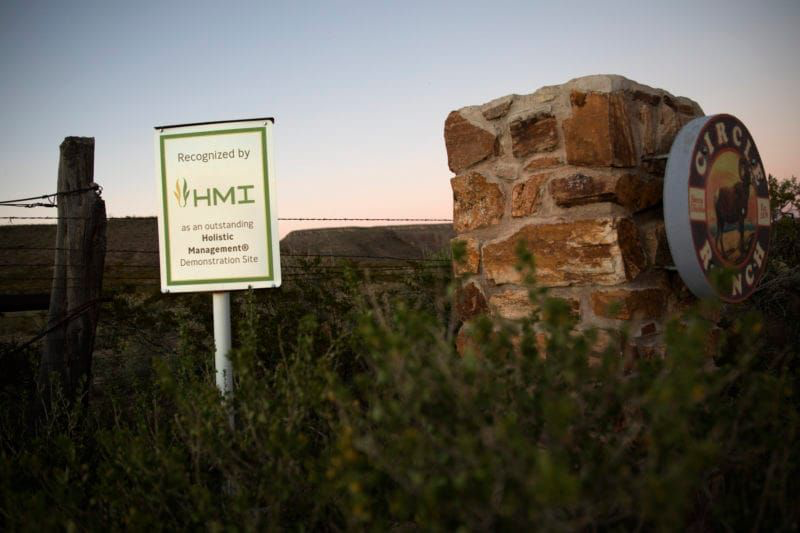
The Land Is One System
Water, soil, cattle, wildlife, brush, fire and people don't operate independently simply because our agencies, research programs and management plans often treat them that way.
This new Pitchstone Waters editorial puts a name to the philosophy underlying much of the work we've shared here: manage relationships rather than isolated parts, test claims against what happens on the land, and change course when the evidence requires it.
It's less a prescription than a framework for asking better questions—and a good place to understand what Pitchstone means when we talk about practical stewardship. Pitchstone Waters
And that's it—as always, thank you.
If you haven't already, please explore more of our views on biodiversity and practical land stewardship at Pitchstone Waters.
