
Before You Subsoil a Pasture, Check What Is Stopping the Roots
Before hiring a subsoiler, compare roots, soil moisture and traffic patterns to find out whether compaction is really limiting the pasture.


An old photograph in Pitchstone’s Keyline design archive shows striking differences in vegetation across a treated landscape. It makes a reader want to know what the machine did. For the person deciding whether to bring a machine onto another pasture, the more useful question is what was wrong in the soil before the work began.
A hard place in the ground could reflect compaction from traffic. It could also be dry soil, a natural change in texture or a shallow restrictive layer. The same piece of steel will meet resistance in all four. Only some of those conditions present a problem that loosening the soil can solve.
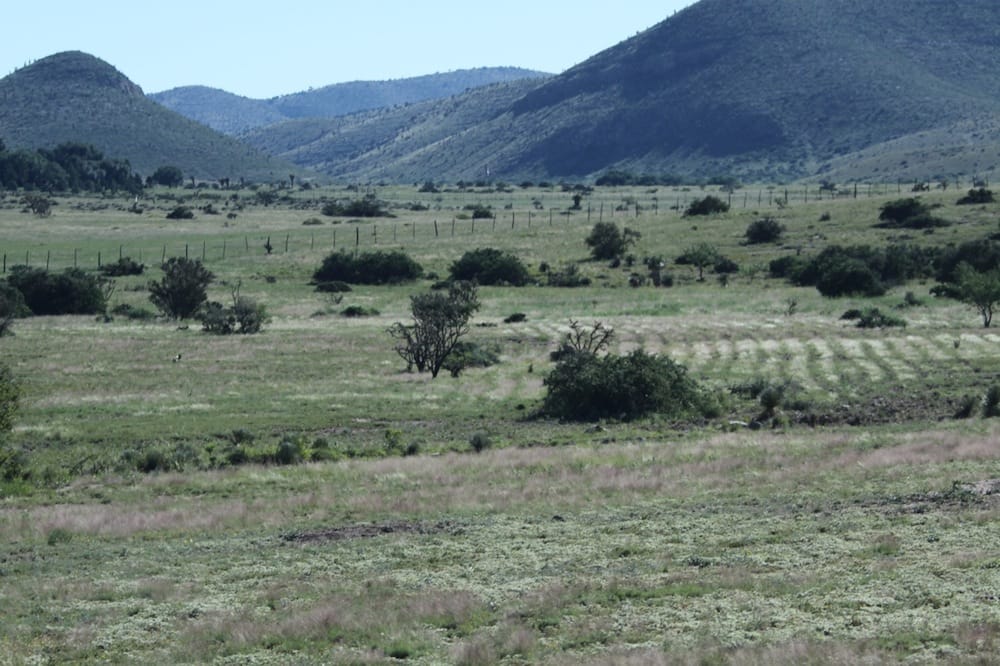
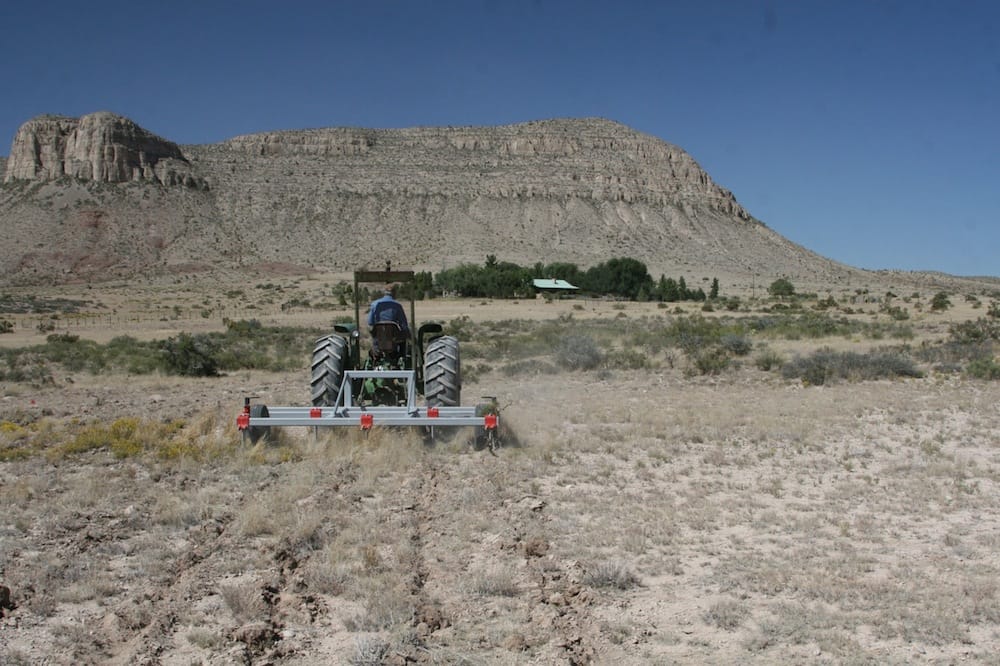
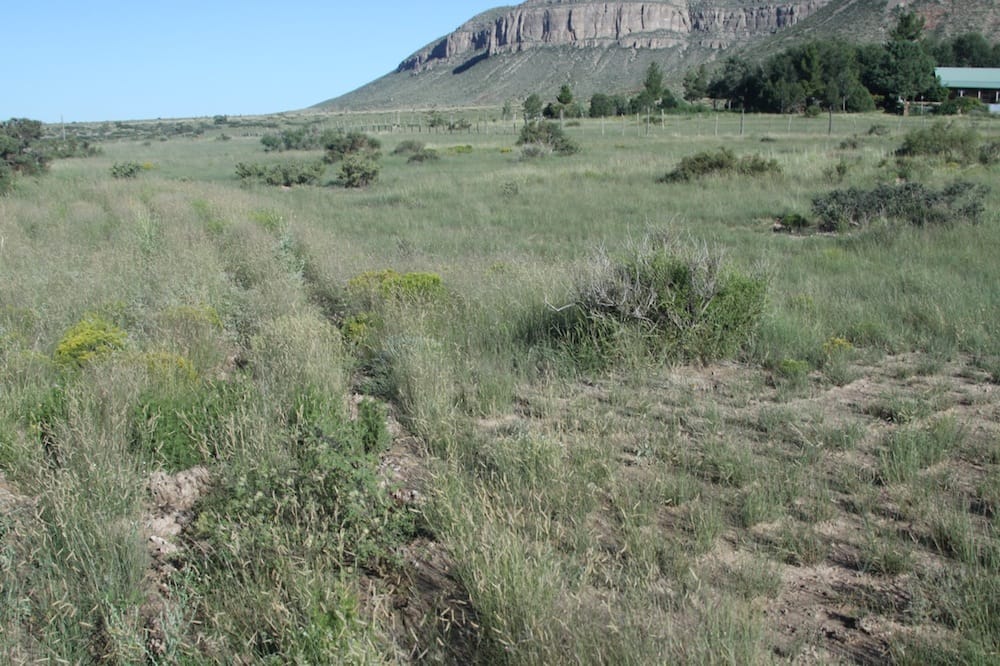
Historical Keyline work at Circle Ranch. These photographs document the landscape and mechanical treatment, but do not independently establish which factors produced the observed vegetation patterns.
Look for a pattern below the surface
Dig small inspection holes where you can do so safely. Compare a track, gate approach or other high-use strip with nearby ground on the same soil and landscape position. Look at whether roots branch through the profile, turn sideways together at a particular depth, or follow cracks through a firm layer. Compare soil structure above and below that depth. A change in rooting is evidence worth following, especially when it coincides with a known traffic pattern.
A penetrometer adds a repeatable measurement. Penn State Extension’s diagnostic guide explains why soil moisture affects readings and why roots can take paths the probe cannot. Compare locations under similar moisture conditions, repeat readings, and write down the depth of the resistance. A number borrowed from a crop guide should carry less weight than a consistent local comparison with rooting and soil observations.
Decide how the condition would recur
Suppose the problem lies below the wheel tracks leading to a water point. If traffic goes back over the same ground under wet conditions, the benefit of loosening may be temporary. Rerouting traffic or managing access may address the cause and avoid disturbing the rest of the pasture. If resistance is associated with a natural soil layer across the entire site, get soil and engineering advice before attempting to break it. The layer could have a different role in water movement than the one you assumed.
The older Keyline story combines water routing with mechanical treatment. Reading it as a case history preserves what the archive offers while leaving room to ask which part of the system produced the observed response. The photographs cannot independently separate soil loosening, redistributed runoff, weather and prior site condition.
Leave yourself a comparison
If the diagnosis and site justify treatment, start with a small, clearly marked trial and keep a comparable untreated area. Decide what would count as useful before doing the work: roots through the restrictive layer, less runoff at a defined location or better forage cover after recovery. Record operating conditions and check again after wet weather and ordinary use. Include labor, equipment cost and any new erosion or disturbance in the comparison.
For the management decisions that determine whether that gain lasts, see Grazing & Working Lands and the habitat restoration archive. A small trial that rules out the wrong treatment can save more land and money than a large trial that leaves the cause unresolved.
Editorial note: This is a Pitchstone Waters institutional editorial developed with AI assistance under human direction. It draws on Chris Gill’s published work and Pitchstone’s documented principles, but it is not presented as a new article written by Chris.
