
Restoring Biodiversity - 11/10/2026
Where does rain actually go on a ranch? When should drought trigger action? And how do we know when intervention helps—or hurts—wildlife and habitat?


This week’s stories share a practical throughline: durable conservation depends less on slogans than on learning to read the whole system before making the next move. From drought planning and post-fire recovery to migration corridors and the economics of keeping land intact, the recurring question is not simply what matters ecologically, but what keeps good management possible over time.
That makes this a strong week for readers interested in applied stewardship rather than abstraction. Several pieces ask a deceptively simple question: what happens when we stop treating land, wildlife, water, and people as separate topics?
Articles
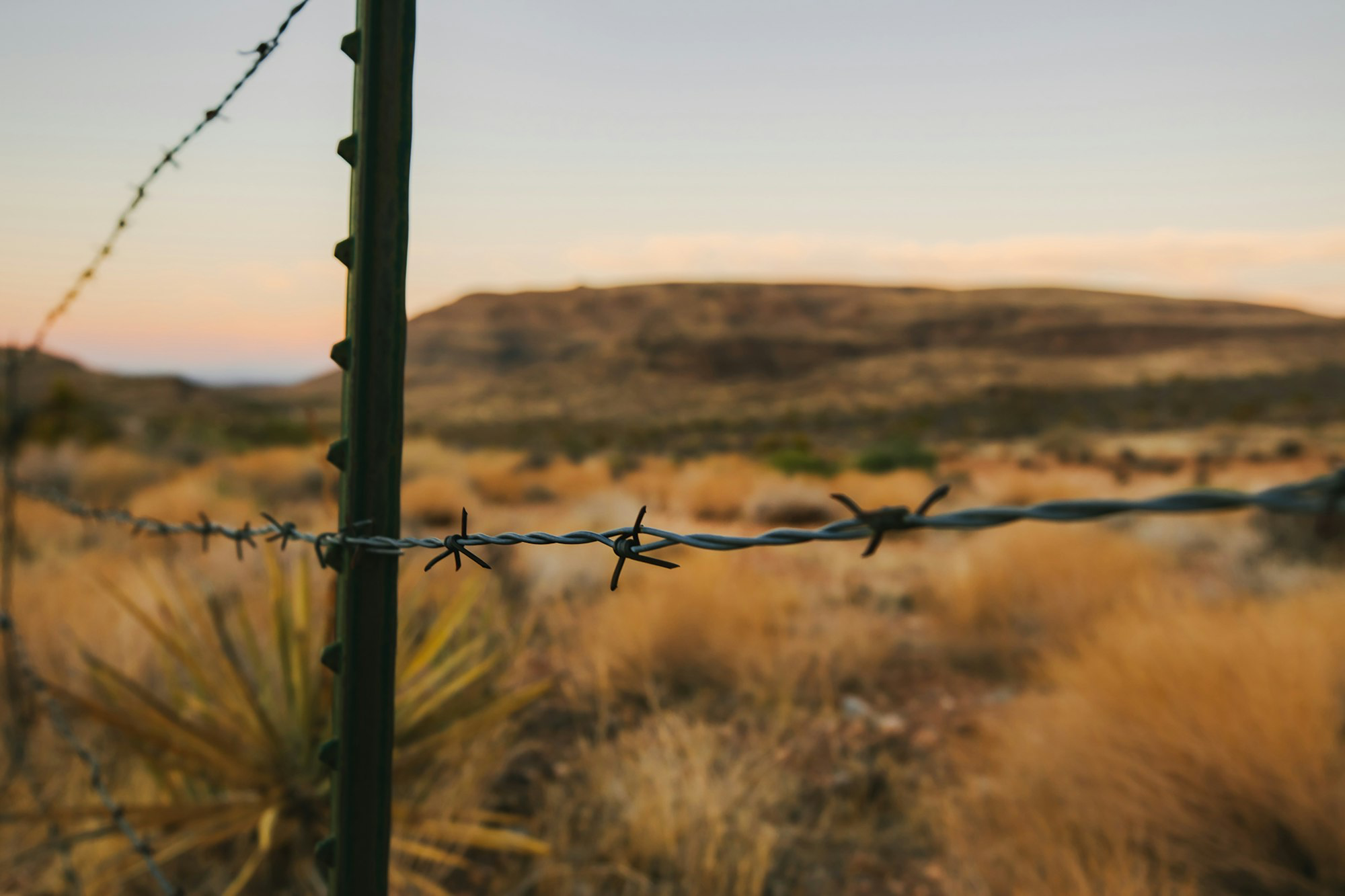
A Working Landscape Must Work for People, Too
Conservation often speaks confidently about habitat, restoration, and ecological outcomes while treating the people managing working lands as background conditions. This piece argues that is a serious analytical mistake. A ranch can be improving biologically and still be nearing the kind of economic or generational breaking point that makes those gains fragile.
The article takes up a harder question than “private ownership good or bad”: what conditions actually allow stewardship to persist long enough to matter? If land continuity, management knowledge, and economic viability begin to unravel, the ecological consequences may follow.
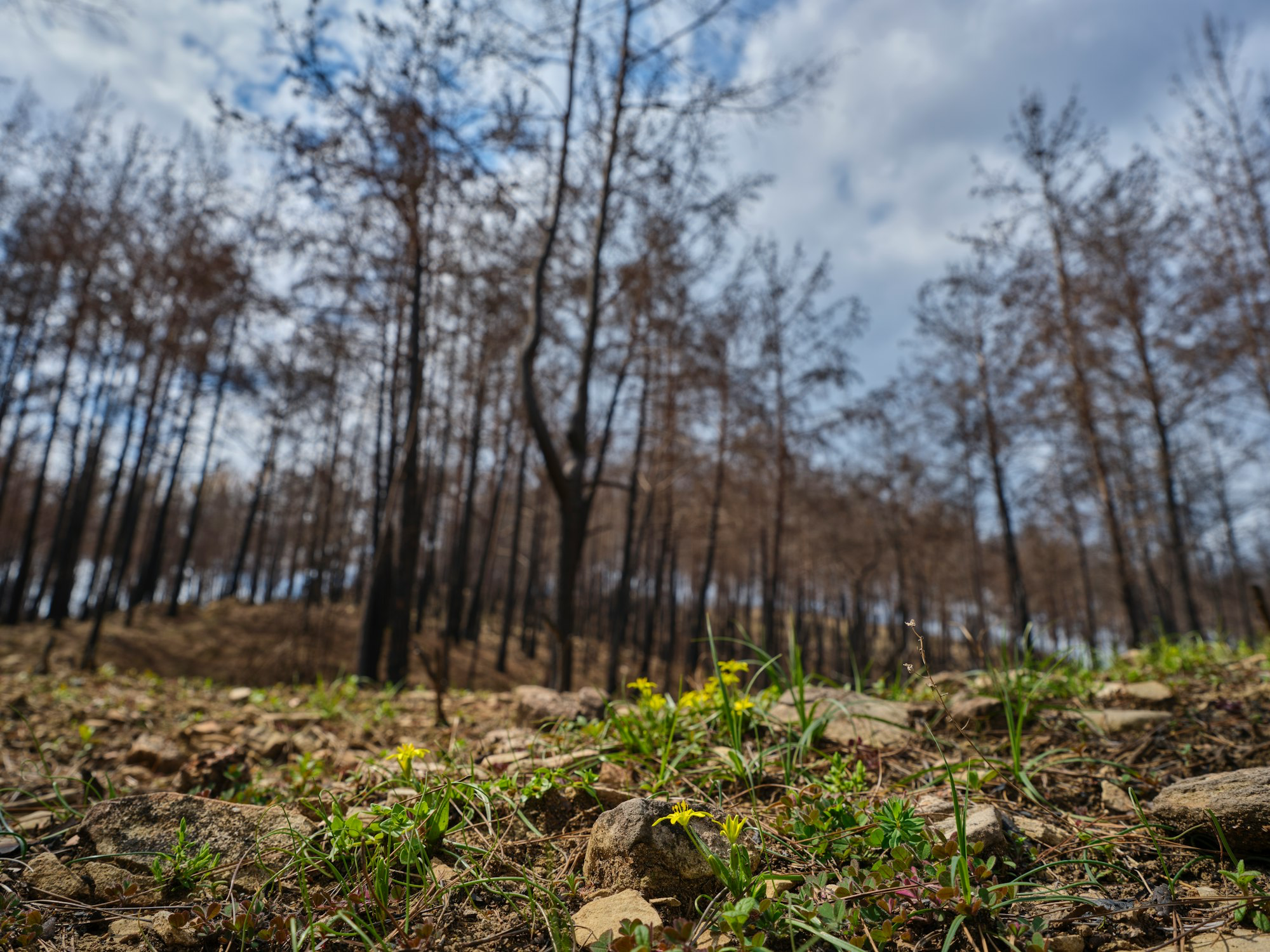
After the Fire, Recovery May Begin With Restraint
After wildfire, action can feel like responsibility. But is the land asking for immediate intervention—or for a more disciplined assessment of what survived, what is already recovering, and where the real risks actually are? This piece makes the case for reading post-fire condition before defaulting to reseeding, clearing, grazing, or prolonged exclusion.
What stands out here is the distinction between urgent hazards and ecological discomfort. Burned ground may look like a problem in need of treatment, but the article presses on a more useful sequence: diagnose first, intervene second, and only where evidence supports the tool.
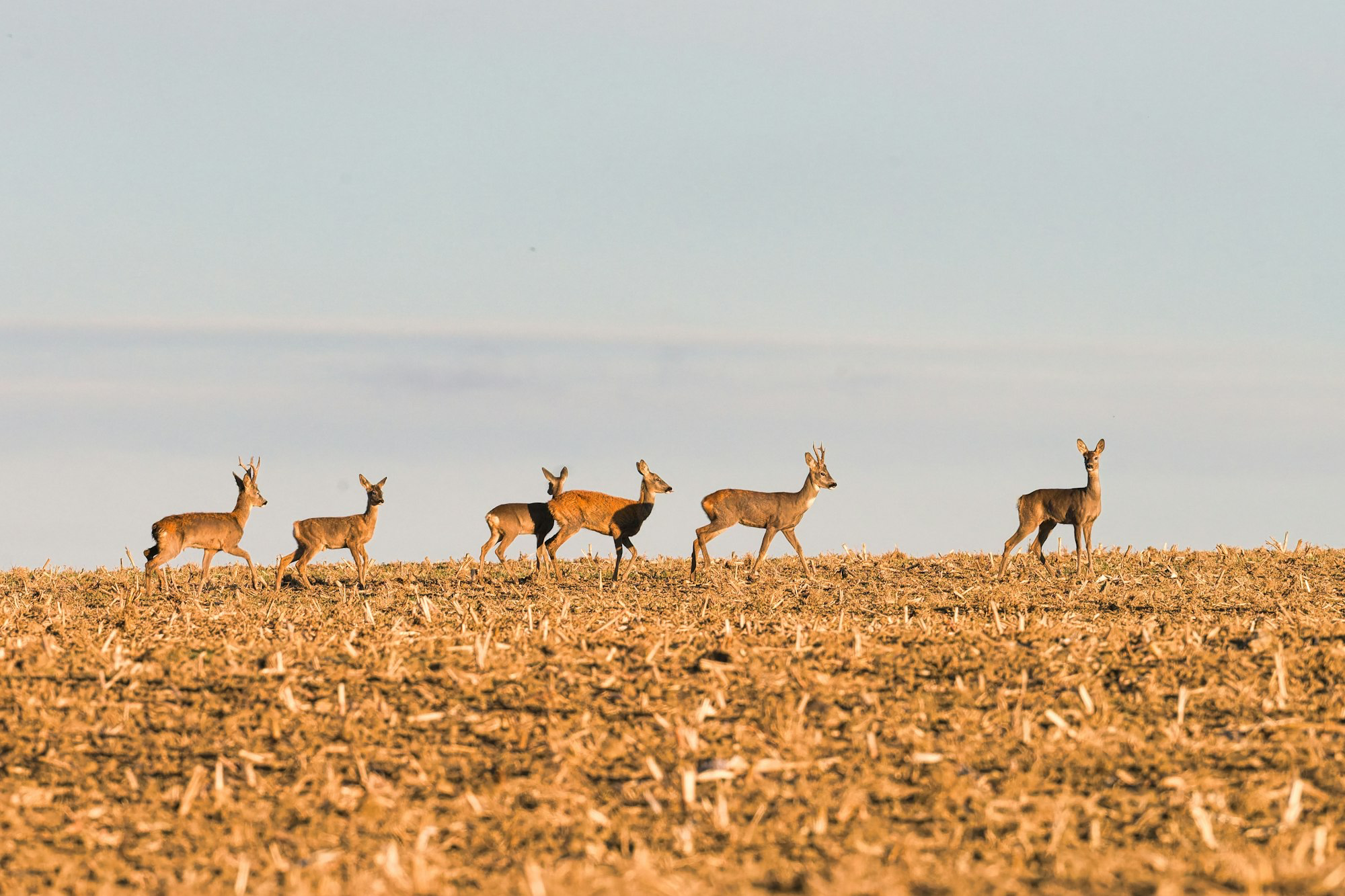
A Migration Corridor Is Habitat That Moves
Protected summer range and protected winter range can still fail a migratory population if movement between them breaks down. This article reframes a corridor not as empty space between important places, but as part of the habitat system itself.
That shift has real consequences for how roads, fences, stopovers, and development are evaluated. The piece is especially useful on the limits of overly simple maps—and on why timing, bottlenecks, and seasonal use matter as much as boundaries on paper.

Hunting Is a Management Tool, Not a Moral Shortcut
Debates over hunting often collapse quickly into moral absolutes. This article slows the conversation down and asks the prior management question: what is the specific problem, what outcome is sought, and is hunting actually capable of producing it under real conditions?
Rather than treating hunting as either automatically justified or automatically disqualifying, the piece focuses on diagnosis, selectivity, welfare, alternatives, and measurable follow-up. If you care about keeping ecological claims tied to evidence, this is a sharp and timely framework.
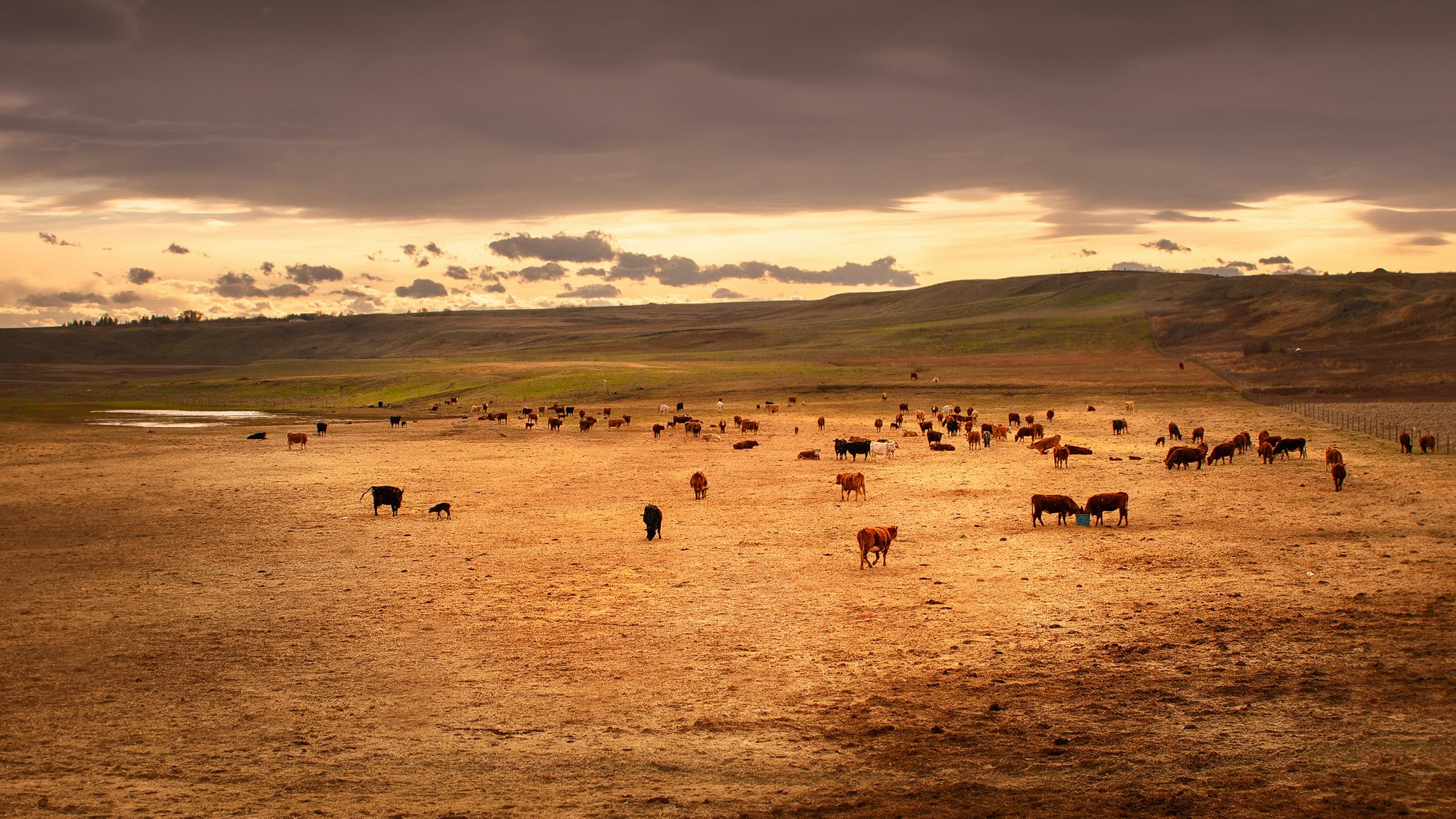
Set a Drought Trigger Before the Grass Is Gone
Many drought plans fail at the exact point where management should begin: they encourage monitoring without clearly linking observation to action. This article is about closing that gap before shrinking forage and rising pressure remove the best options.
The core insight is straightforward and surprisingly powerful: start with the decision that may become necessary, then work backward to the trigger that tells you when to make it. For anyone trying to move from awareness to preparedness, this piece offers a disciplined way to think about timing.
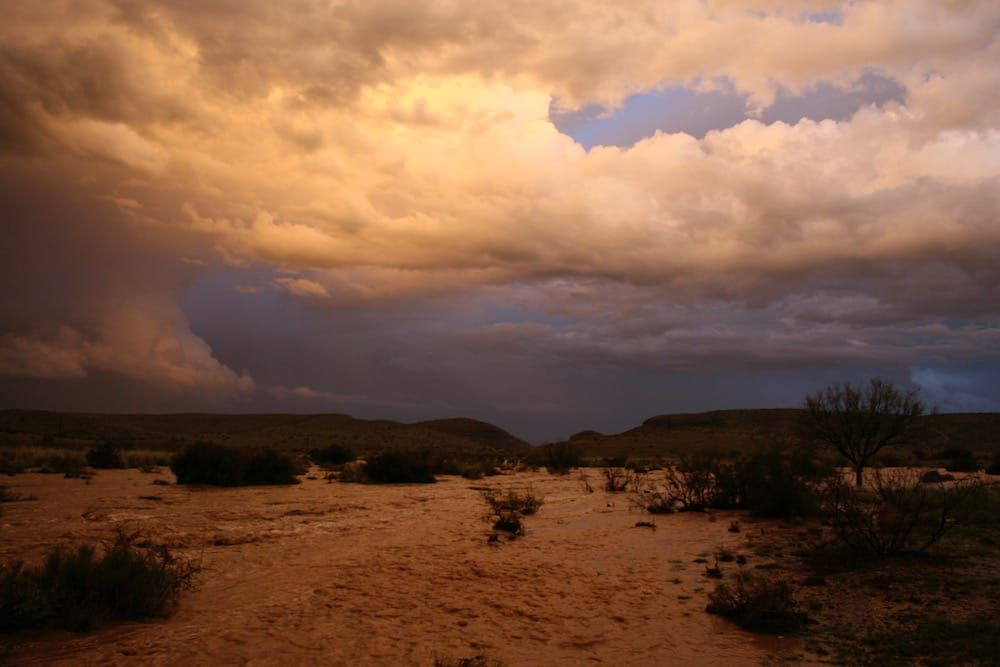
Where Does the Rain Go on a Ranch?
A rain gauge tells you what fell. It does not tell you what infiltrated, what ran off, what concentrated, or where a small routing problem is quietly becoming a larger hydrologic one. This article invites readers to follow water across the actual landscape rather than stopping at precipitation totals.
The payoff is practical: instead of treating runoff as a vague ranch-wide issue, the piece looks for the first point where water begins to concentrate and asks where a modest change might alter the result. It is a useful reminder that water shortage and water-routing problems are not always the same thing.
Connecting the Dots
Several of this week’s stories push against the same temptation: acting on visible symptoms before defining the functional problem. Burned ground invites treatment. Dry conditions invite delay. Conflict over wildlife invites moral certainty. But good stewardship usually begins earlier and deeper—with diagnosis, timing, and a willingness to ask what part of the system is actually failing.
That same discipline also ties ecology to durability. A migration route is only useful if movement remains possible. A drought plan is only useful if it preserves choices in time. A working landscape is only useful for conservation if somebody can keep managing it. The larger lesson is simple: biodiversity outcomes often depend on whether the system remains governable, not just whether its values are recognized.
NEWSLETTER OPTIONS
Want Every New Article in Your Inbox?
Restoring Biodiversity brings you the week's ideas every Tuesday. But Pitchstone Waters publishes new perspectives on land, wildlife, water, and conservation throughout the week.
Get Every New Article
If you'd rather read each article as it appears, choose Every New Article and receive our latest stories directly in your inbox.
Prefer the weekly roundup?
No changes needed. You'll continue receiving Restoring Biodiversity every Tuesday.
Looking Ahead
If there is a recurring challenge beneath this week’s edition, it is learning to notice thresholds before they become losses: the point where recovery is interrupted, runoff begins to concentrate, flexibility disappears, or a landscape fragments beyond easy repair. Those are rarely dramatic moments when they begin. They are management moments.
That is also why these stories reward a closer read on Pitchstone Waters. Each one asks what evidence-based stewardship looks like when the goal is not merely to respond, but to keep ecological function intact long enough to matter.