
Walk a Ranch Fence Where Wildlife Tries to Cross
A short fence walk can identify where wildlife struggles to cross and which change can improve passage while still containing stock.


The easiest place to measure a fence is usually beside a gate. The place that matters may be a shallow draw two hundred yards away where several trails meet. Wire clearance changes with the ground, sag, snow and accumulated debris. A span that looks open from the road can be hard to pass at the only point wildlife regularly approaches.
A useful fence walk starts with a short segment where you already have a reason to look. Bring a tape, a phone or notebook, and a map. The aim is to come back with one specific repair or design question that the people responsible for the fence can act on.
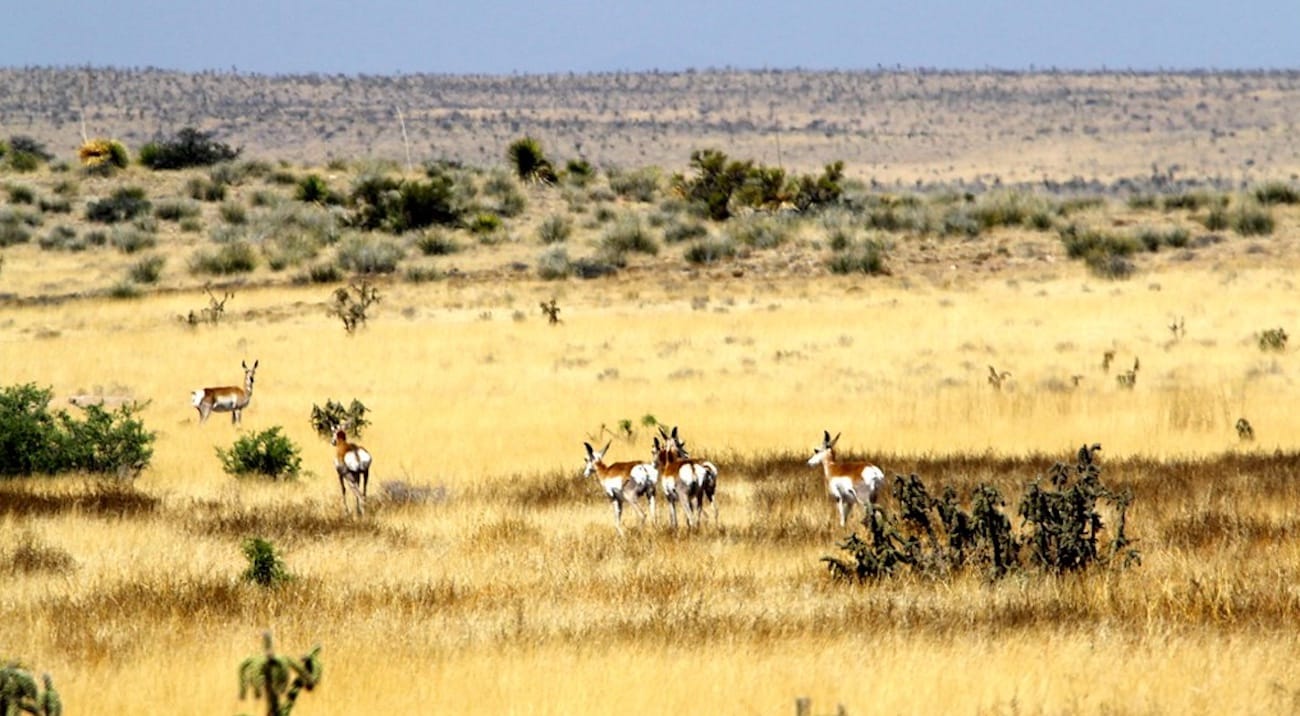
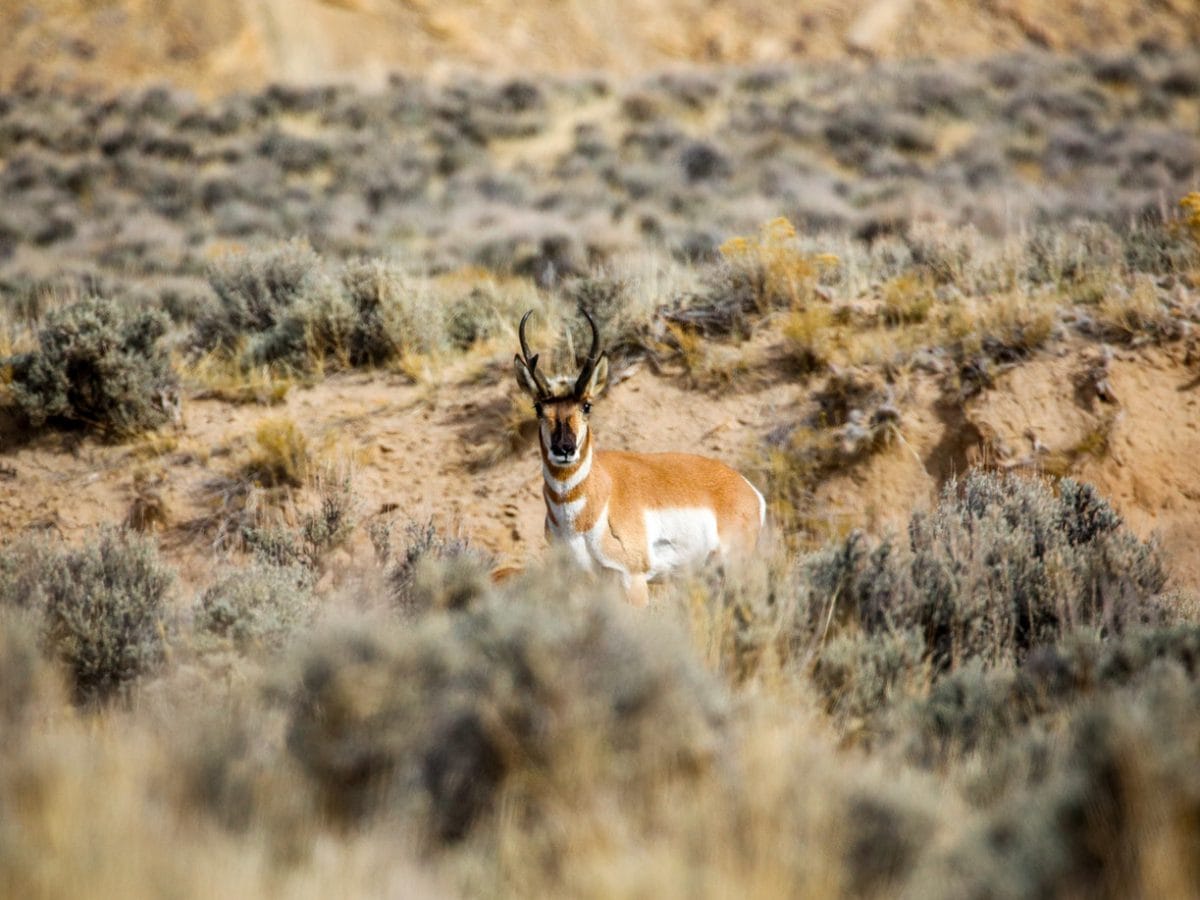
Cattle and pronghorn share the working landscapes of Circle Ranch in West Texas. Fence design must account for livestock containment while allowing wildlife to move across the land.
Find the crossing before measuring the fence
Walk both sides where you have permission and safe access. Look for worn trails that follow the wire before crossing, hair on the lower strands, repeated tracks at a draw, and old wire lying in the grass. Note whether animals appear to go under, over or around. A track on one side alone cannot tell you whether the fence blocked the animal. Several traces in the same place are a stronger reason to revisit it.
Measure at the approach, where the animal would put its feet. Record the top height, bottom clearance, spacing between the upper strands and whether the outside strands are smooth or barbed. Add photos from the direction of travel. If snow or shifting sediment changes the effective clearance, record that condition too.
Use dimensions to frame the decision
Montana Fish, Wildlife & Parks’ landowner guide describes a common cattle-fence compromise: a top wire preferably no higher than 40 inches, at least 12 inches between the top two wires, and a bottom clearance of at least 16 inches, preferably 18. The guidance addresses how animals pass over or beneath the fence. Local species, livestock needs, terrain and fence purpose determine whether those dimensions make sense at a given site.
Where passage concentrates, a carefully located opening or adjustable section may be more useful than rebuilding a whole line. A seasonal opening can make sense on an interior division when there is no stock to hold. A road boundary or a fence shared with a neighbor calls for a different decision. Coordinate before altering shared, electrified or regulated fencing, and keep livestock containment part of the design.
Record what changes after the repair
Write a short entry: location, apparent crossing behavior, measurements, fence purpose, proposed change and a date to look again. After the change, revisit during the relevant movement season. Look for evidence of passage at the intended location and check whether livestock containment or wire maintenance suffered. One camera image can document use. Repeated visits give a better indication of whether the site works under changing conditions.
For the tradeoffs behind those dimensions, read Pitchstone’s archive story on wildlife-friendly fencing alongside Grazing & Working Lands. The fence segment that deserves attention is where a real animal encounters a real obstacle and the ranch has a workable way to change it.
Editorial note: This is a Pitchstone Waters institutional editorial developed with AI assistance under human direction. It draws on Chris Gill’s published work and Pitchstone’s documented principles, but it is not presented as a new article written by Chris.
