Restoring Biodiversity - 6/30/2026
Coffee waste becomes forest recovery. Goats become habitat managers. Ranchers become conservation practitioners. And more....


Thank you for subscribing to the Pitchstone Waters weekly newsletter.
This week's stories highlight a recurring theme in conservation: ecological restoration often succeeds when we work with natural processes rather than against them.
Whether it's ranchers using livestock to restore landscapes, researchers accelerating forest recovery with organic waste, predators shaping ecosystems through competition and scavenging, or states strengthening biosecurity measures against invasive pests, the common thread is stewardship. Effective conservation rarely depends on a single solution. Instead, it emerges from a combination of science, observation, incentives, and a willingness to adapt.
Articles
Screwworm Cases Rise in Texas
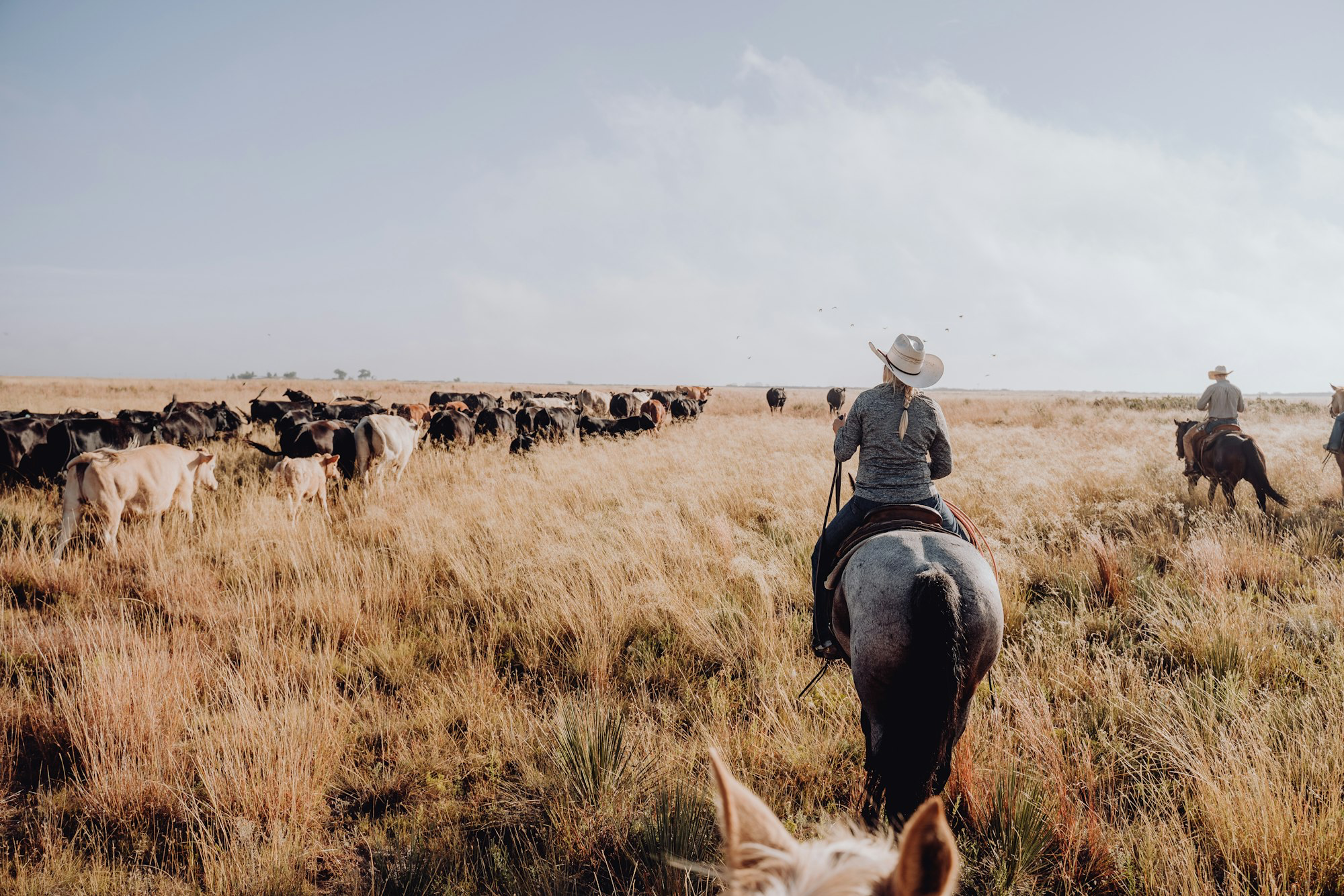
Texas is also responding to growing concerns over screwworm detections.
The pest poses significant risks to livestock and wildlife because larvae feed on living tissue, creating severe animal health and economic consequences. Rising case numbers underscore the importance of surveillance, rapid reporting, and coordinated response efforts across jurisdictions.
The situation illustrates how invasive species and emerging pests can quickly become biodiversity and economic challenges simultaneously.
Idaho Adds Requirements for Animal Entry in Response to New World Screwworm Cases
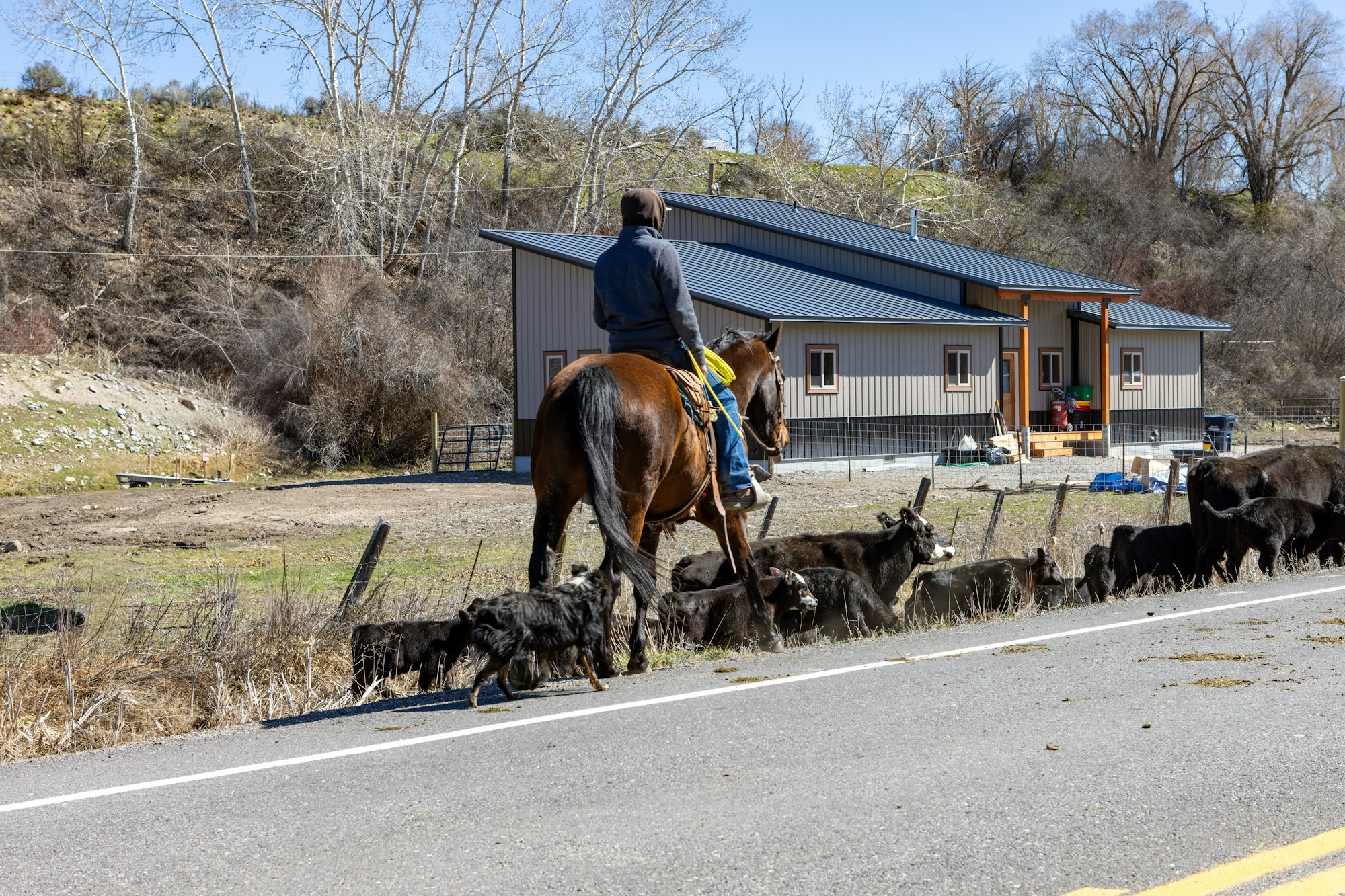
Biosecurity concerns continue to grow following the spread of New World Screwworm cases.
Idaho has implemented additional animal-entry requirements designed to reduce the risk of introducing this devastating livestock pest. The move reflects a broader recognition that prevention is often more effective and less costly than eradication.
For ranchers, wildlife managers, and regulators alike, vigilance remains essential.
Not Your Ordinary Horse Ranchers
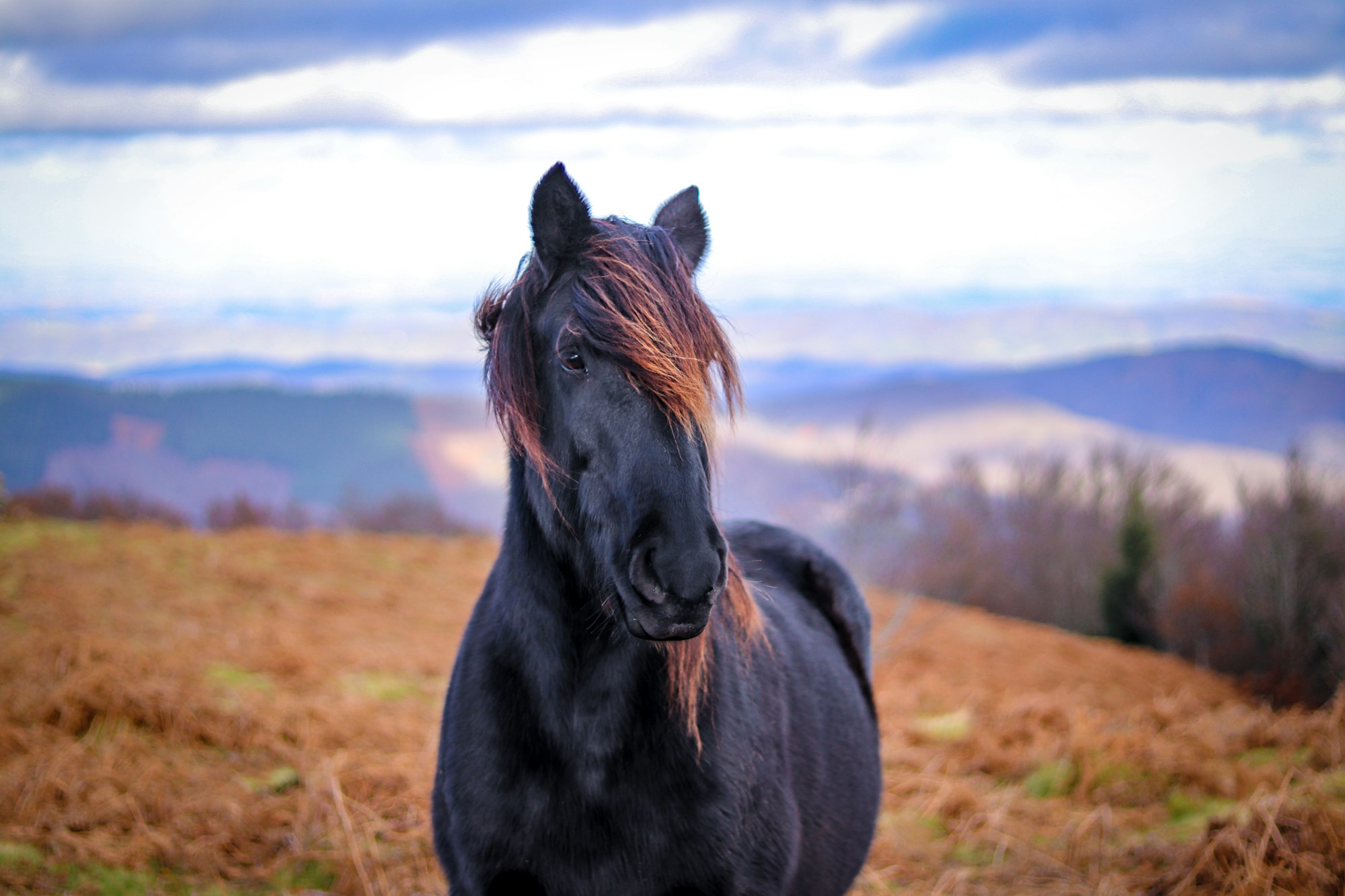
Horse management remains one of the most controversial topics in western conservation. Yet a growing number of ranchers and land managers are exploring approaches that move beyond the traditional divide between preservation and removal.
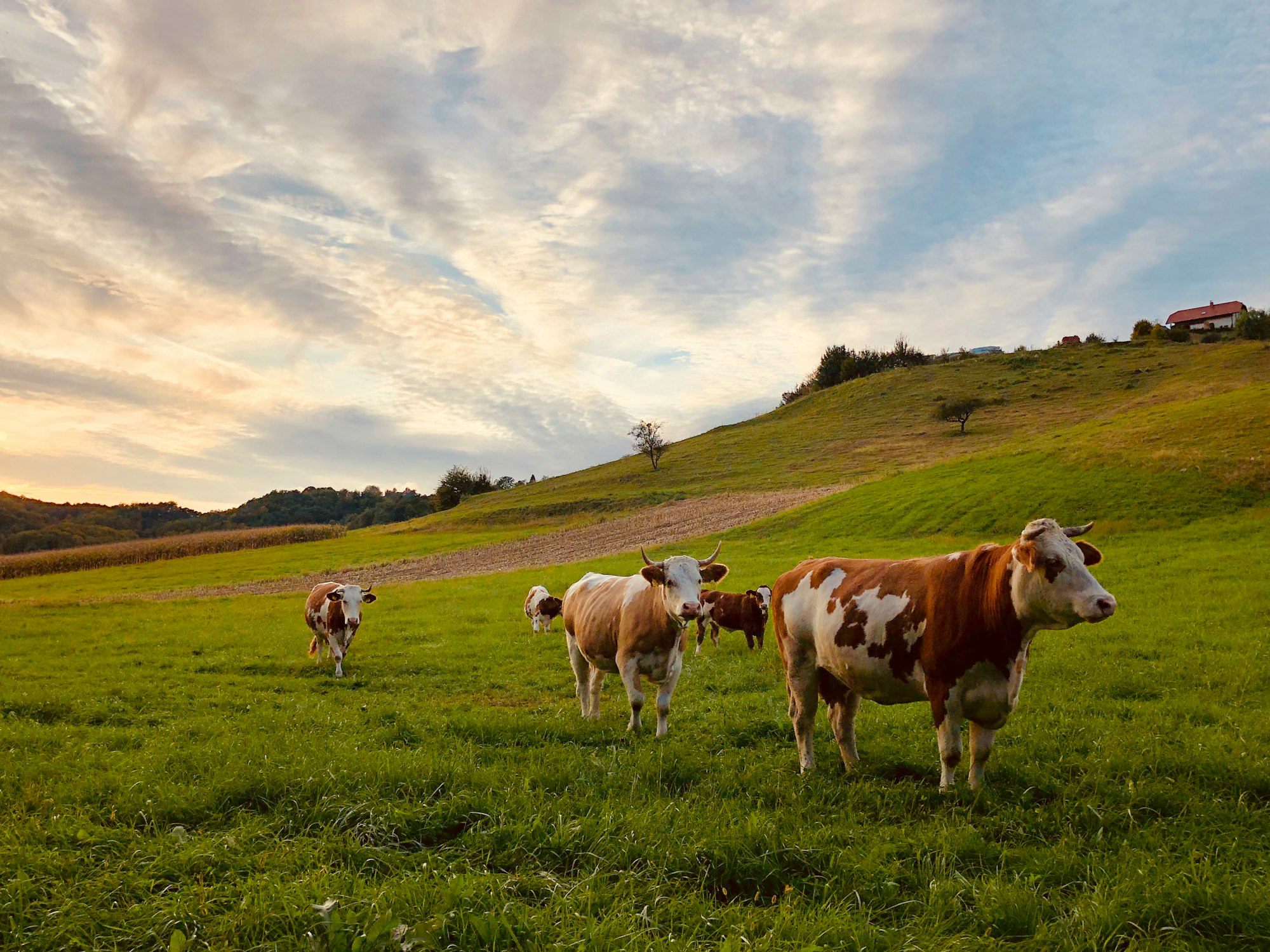
Describing Photosynthesis and Respiration
A simple exchange between an activist and a farmer became an unexpected lesson in ecology.
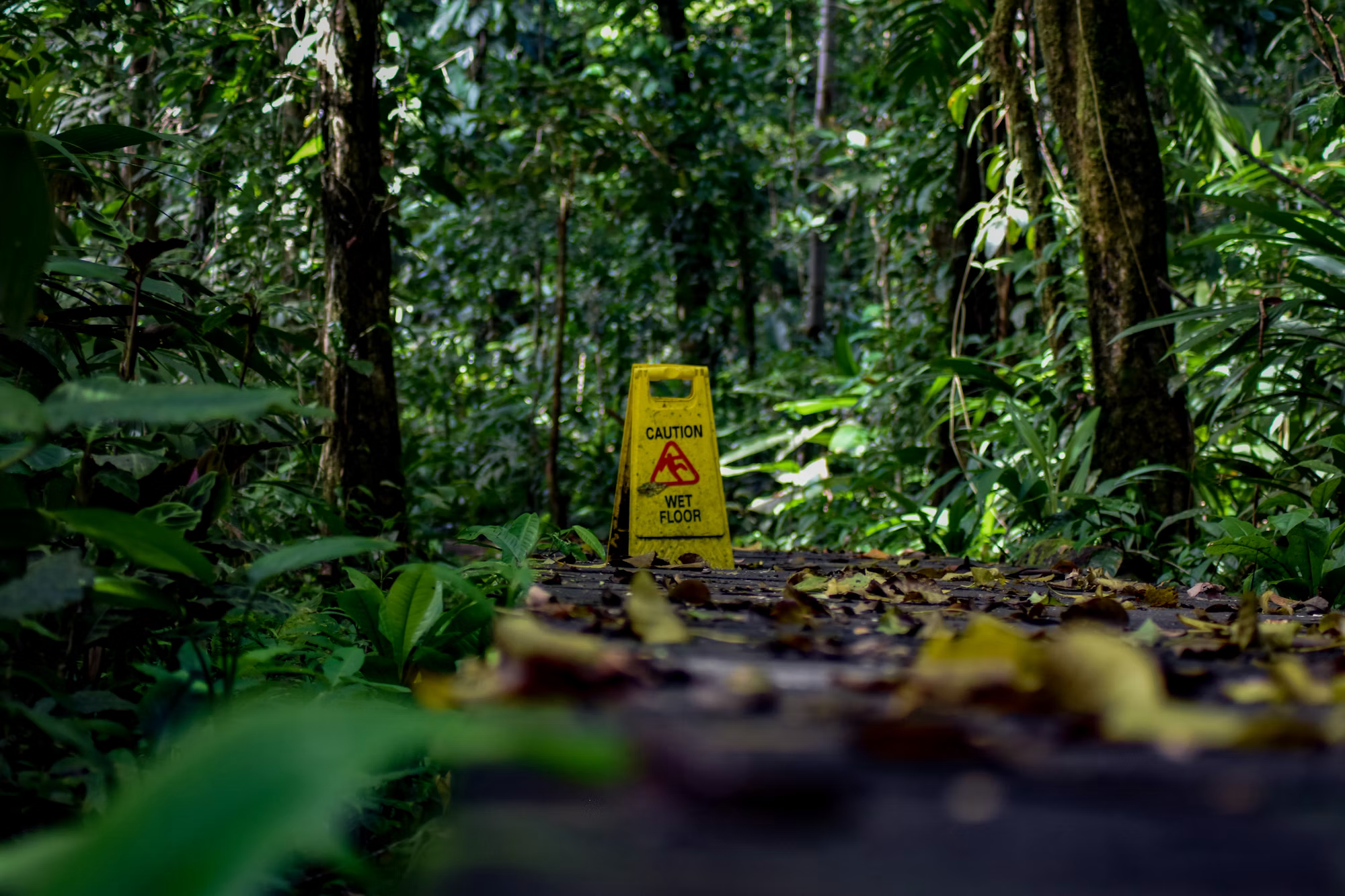
Researchers Dump Tons of Coffee Waste onto Degraded Land. Two Years Later, It's Transformed.
One of the most remarkable restoration stories of recent years demonstrates the power of organic materials to jump-start ecosystem recovery.
Videos
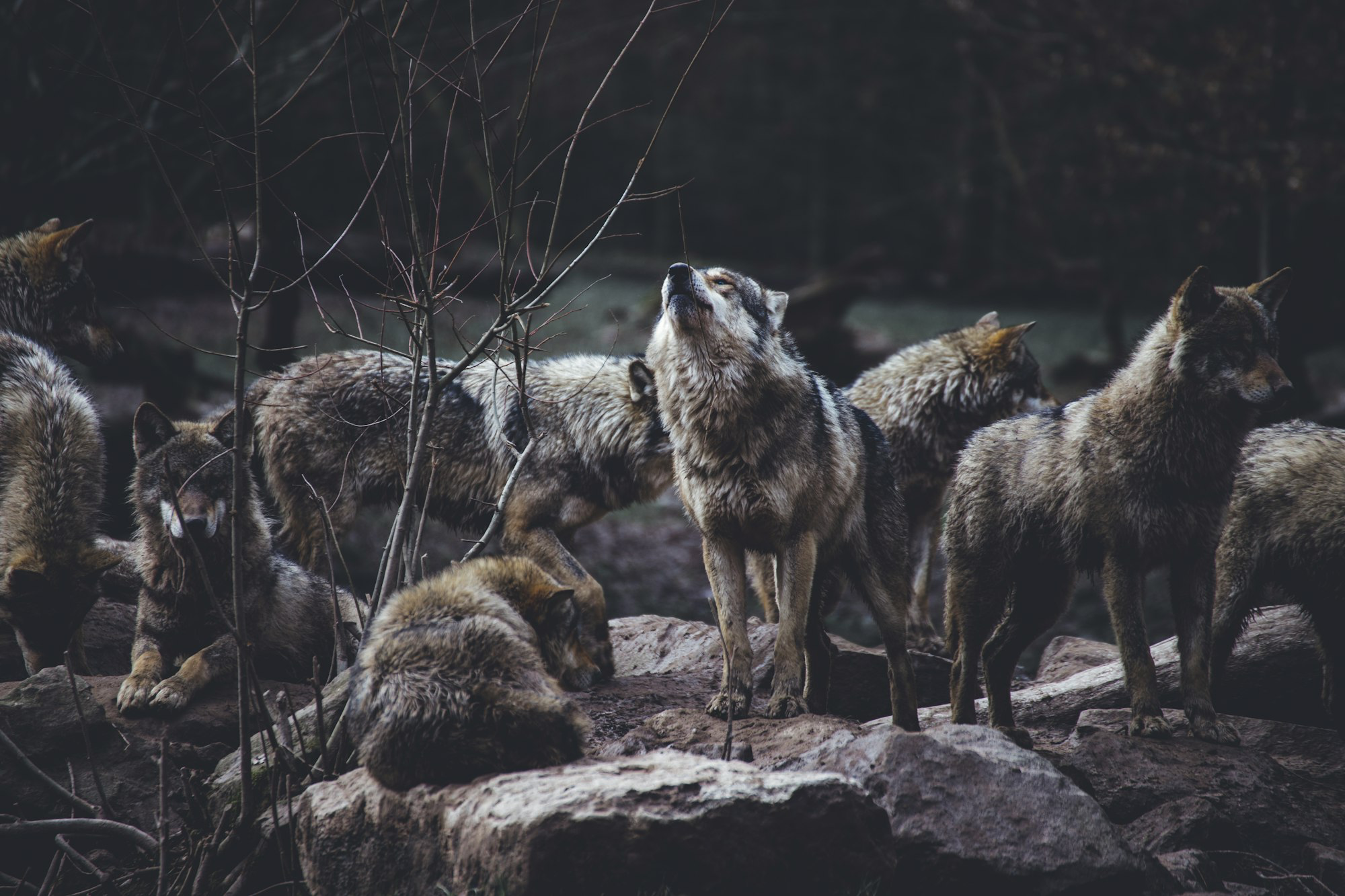
A Wolf Pack Challenged a Grizzly Over a Bison Carcass in Yellowstone. Then the King Showed Up
This remarkable encounter captures the constant negotiation occurring among apex predators and scavengers. Wolves, bears, and other species compete for resources while simultaneously contributing to ecosystem function through nutrient distribution and carrion availability.
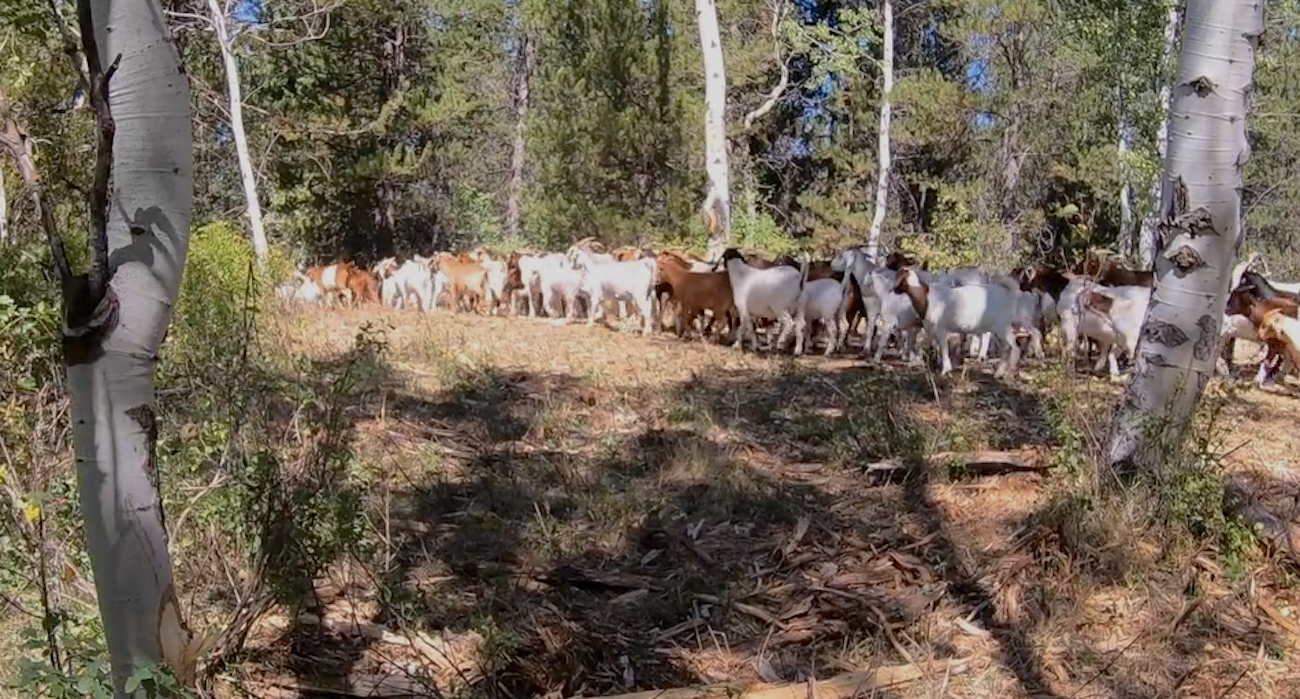
Goats Clearing Meadows and Forest at Pitchstone Waters
At Pitchstone Waters, goats continue proving their value as biological land-management tools.
By selectively consuming brush, invasive plants, and excess vegetation, goats can reduce fuel loads, improve habitat structure, and create opportunities for native species to thrive. Unlike mechanical clearing, targeted grazing can often reach difficult terrain while producing additional ecological benefits.
Their work demonstrates how livestock can function as restoration partners when deployed thoughtfully.
And that’s it - as always thank you..
If you haven’t already - please check out our views on biodiversity at https://pitchstonewaters.com