Restoring Biodiversity - 8/11/2026
Crops grown beneath elevated solar arrays. US Tribes get bison. How extreme heat is costing us sleep. And more....


Thank you for subscribing to the Pitchstone Waters weekly newsletter.
Here is what we’ve been reading, watching and writing about over the past week…
Articles
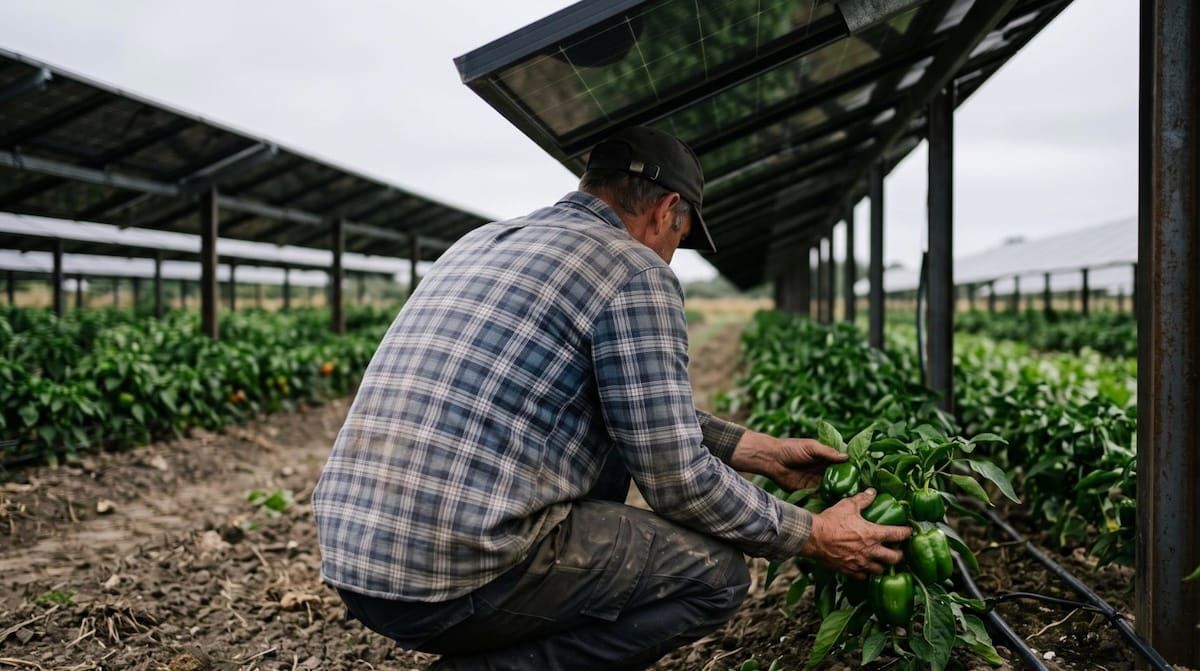
American Farmers Slid Solar Panels Over 62,000 Acres Of Farmland, And The Biggest Payoff Had Almost Nothing To Do With Electricity
This article highlights the growing promise of agrivoltaics—placing solar panels above working farmland so the same acre can produce both food and electricity. Research from the University of Arizona found that crops grown beneath elevated solar arrays often yielded as much or more than those in full sun while using significantly less water, and the cooler microclimate created by the plants also improved solar panel efficiency. As electricity demand rises and water becomes increasingly scarce, the approach suggests that farming and renewable energy may be partners rather than competitors.
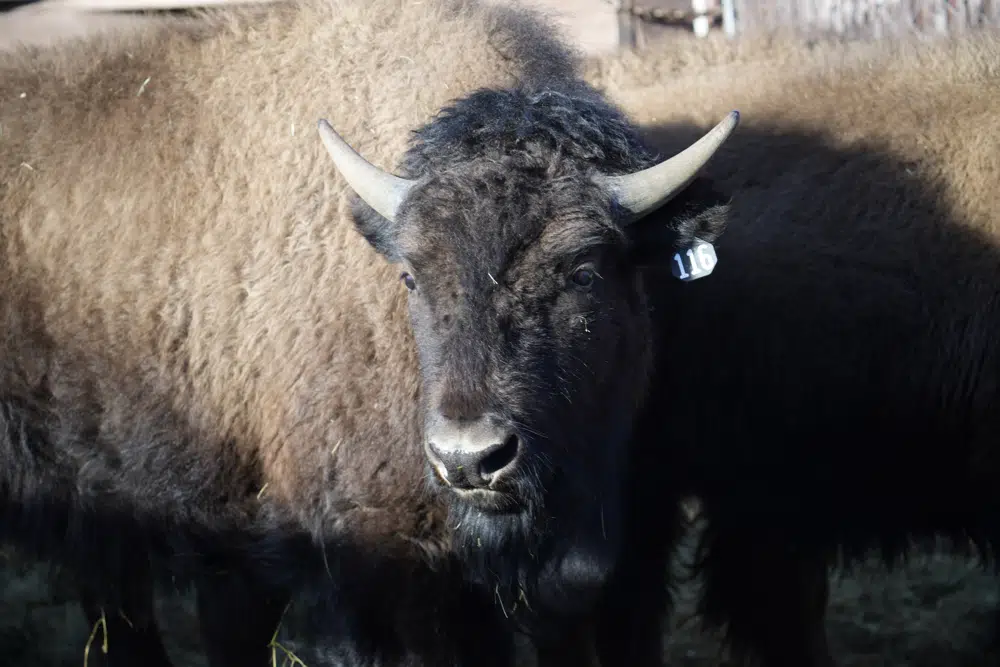
US Tribes Get Bison as They Seek to Restore Bond With Animal
Dozens of bison from a conservation herd near Denver have been transferred to Native American tribes across the Great Plains, continuing a growing effort to restore buffalo to their ancestral landscapes. For the Yuchi, Eastern Shoshone, Northern Arapaho, and other tribes, these animals represent far more than wildlife—they symbolize the restoration of cultural traditions, ecological stewardship, and relationships with the land that were disrupted generations ago. The transfers are part of a broader initiative that has returned more than 20,000 bison to tribal lands across the United States.

Bison Return to Native American Lands, Revitalizing Sacred Rituals
For the first time in 138 years, members of Wyoming's Eastern Shoshone Tribe are once again serving bison harvested from their own ancestral lands during the sacred Sun Dance ceremony. The article traces the remarkable recovery of tribal bison herds across North America, highlighting not only the ecological importance of bison as keystone grazers but also their deep cultural and spiritual significance to Indigenous communities whose relationship with the animals was deliberately broken during westward expansion. Today, restoring buffalo is helping heal both grassland ecosystems and cultural traditions that have endured despite generations of loss.
What We've Been Reading
 Jackie Flynn Mogensen and Sanidhya Sharma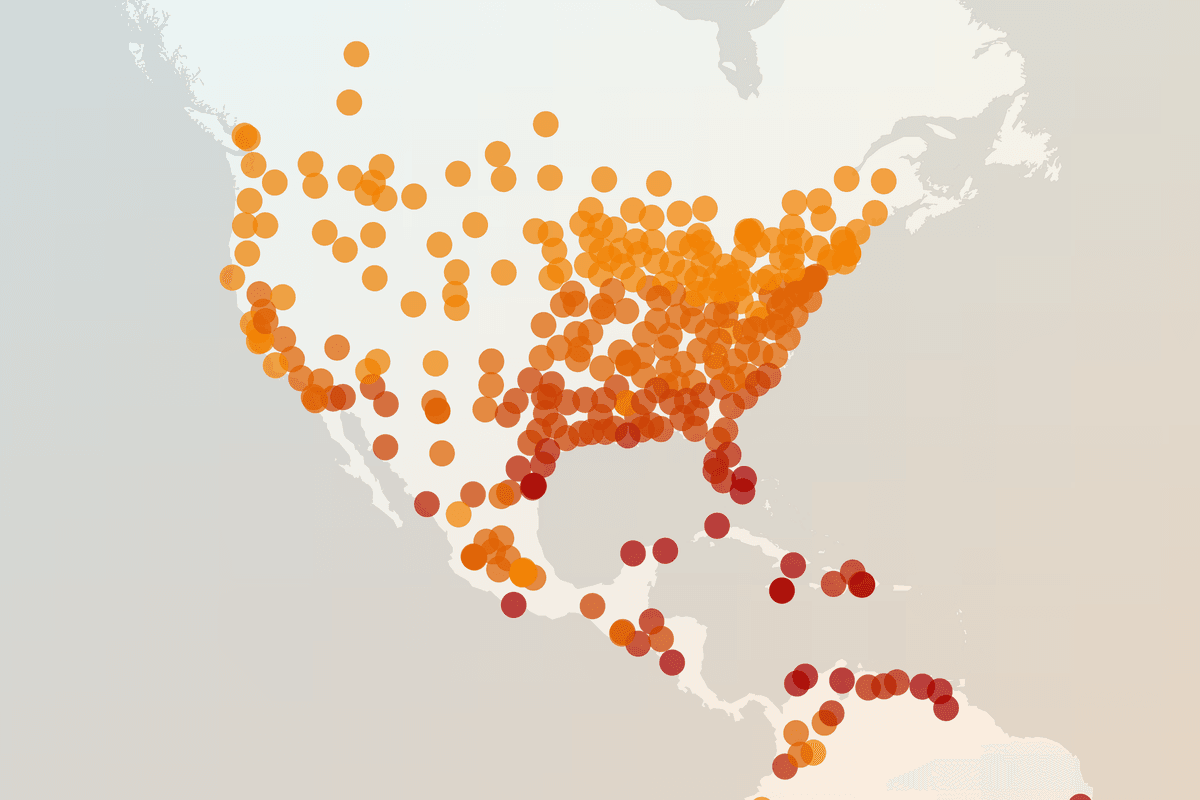



And that’s it - as always thank you..
If you haven’t already - please check out our views on biodiversity at https://pitchstonewaters.com