Restoring Biodiversity - 6/23/2026
Wildfires, wild horses, chronic wasting disease, and a potentially historic El Niño may seem unrelated. They aren't. This week's edition of Restoring Biodiversity explores how resilience, stewardship, and healthy ecosystems remain our strongest defense against growing environmental challenges.


Wildfire, disease, climate, habitat quality, and wildlife populations are all connected. When one part of the system weakens, the consequences rarely stay confined to a single species or landscape
This week's stories examine four very different challenges facing wildlife and public lands—from catastrophic wildfire and chronic wasting disease to the growing influence of climate cycles and the debate surrounding wild horse conservation. Yet each story points toward the same question: are we managing ecosystems for long-term resilience, or simply reacting to the latest crisis?
Articles
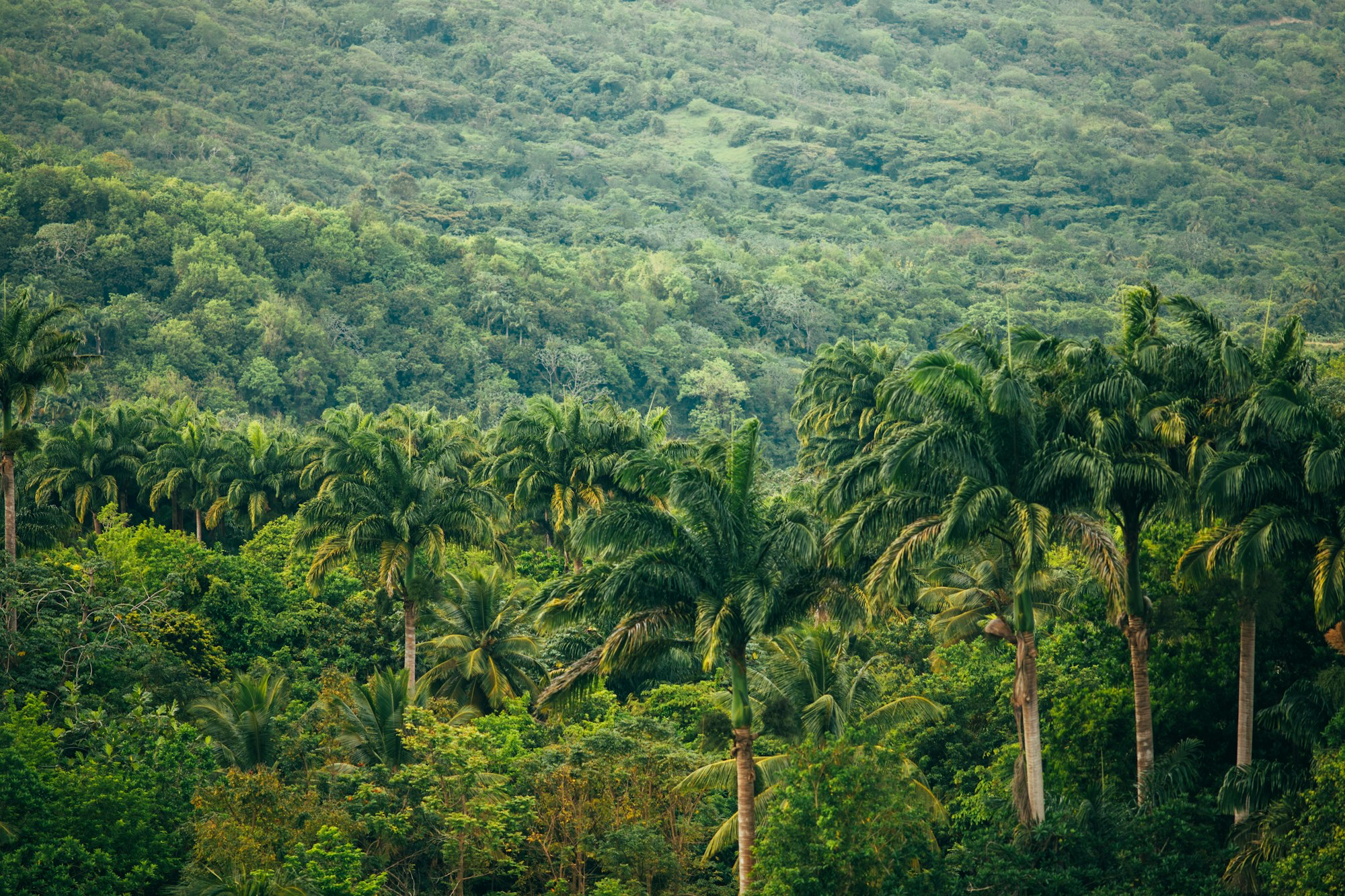
America Is Repeating Brazil's Amazon Disaster While Systematically Destroying the Only Animal That Could Prevent It
William E. Simpson II argues that America is making a mistake similar to Brazil's historic conversion of rainforest into cattle production. He contends that federal land management policies continue to favor livestock grazing and prescribed burning while removing wild horses from landscapes where they could naturally reduce fuels, restore biodiversity, and help mitigate catastrophic wildfires.
From where I sit, whether one agrees with every detail of the argument or not, it raises an important question. If wildfire smoke is killing thousands of people and costing billions of dollars annually, then every practical, science-based solution deserves honest consideration. Stewardship requires the courage to challenge assumptions when the land itself is telling us something isn't working.
Read the full article:
https://www.pitchstonewaters.com/america-is-repeating-brazils-amazon-disaster-while-systematically-destroying-the-only-animal-that-could-prevent-it/
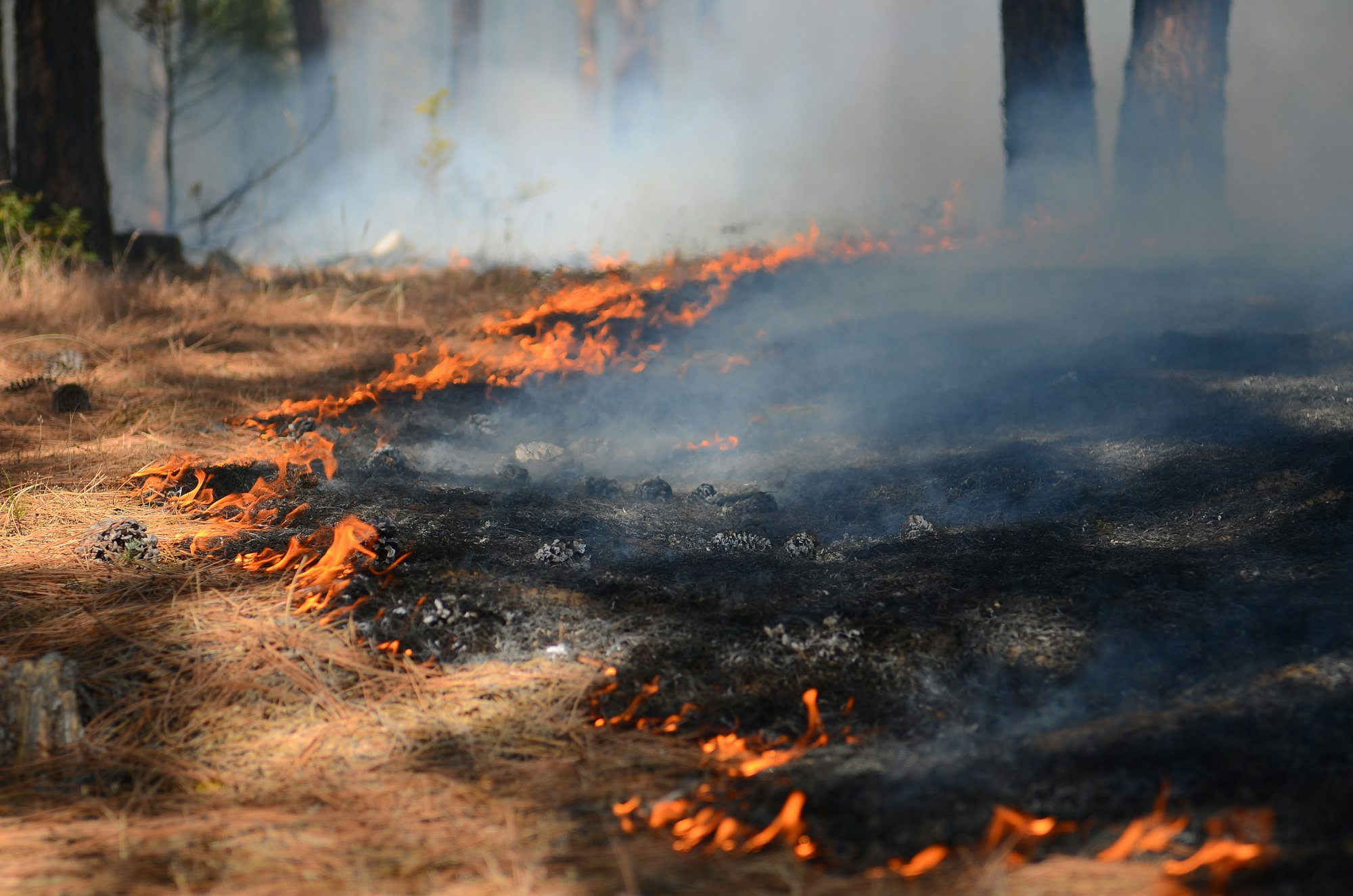
Why Wild Horse Fire Brigade Stands Alone Among Wild Horse Nonprofits
This article outlines the history, research, legal achievements, and conservation philosophy behind Wild Horse Fire Brigade. The organization argues that its focus differs from traditional rescue and sanctuary models by emphasizing free-roaming, naturally breeding wild horse herds, habitat protection, ecological restoration, and long-term genetic preservation.
From where I sit, conservation should always be measured by outcomes rather than intentions. Saving individual animals matters, but preserving functioning ecosystems and self-sustaining populations matters too. The larger lesson here is that conservation succeeds when it protects not just the species, but the ecological relationships that allow that species to remain truly wild.
Read the full article:
https://www.pitchstonewaters.com/why-wild-horse-fire-brigade-stands-alone-among-wild-horse-nonprofits/
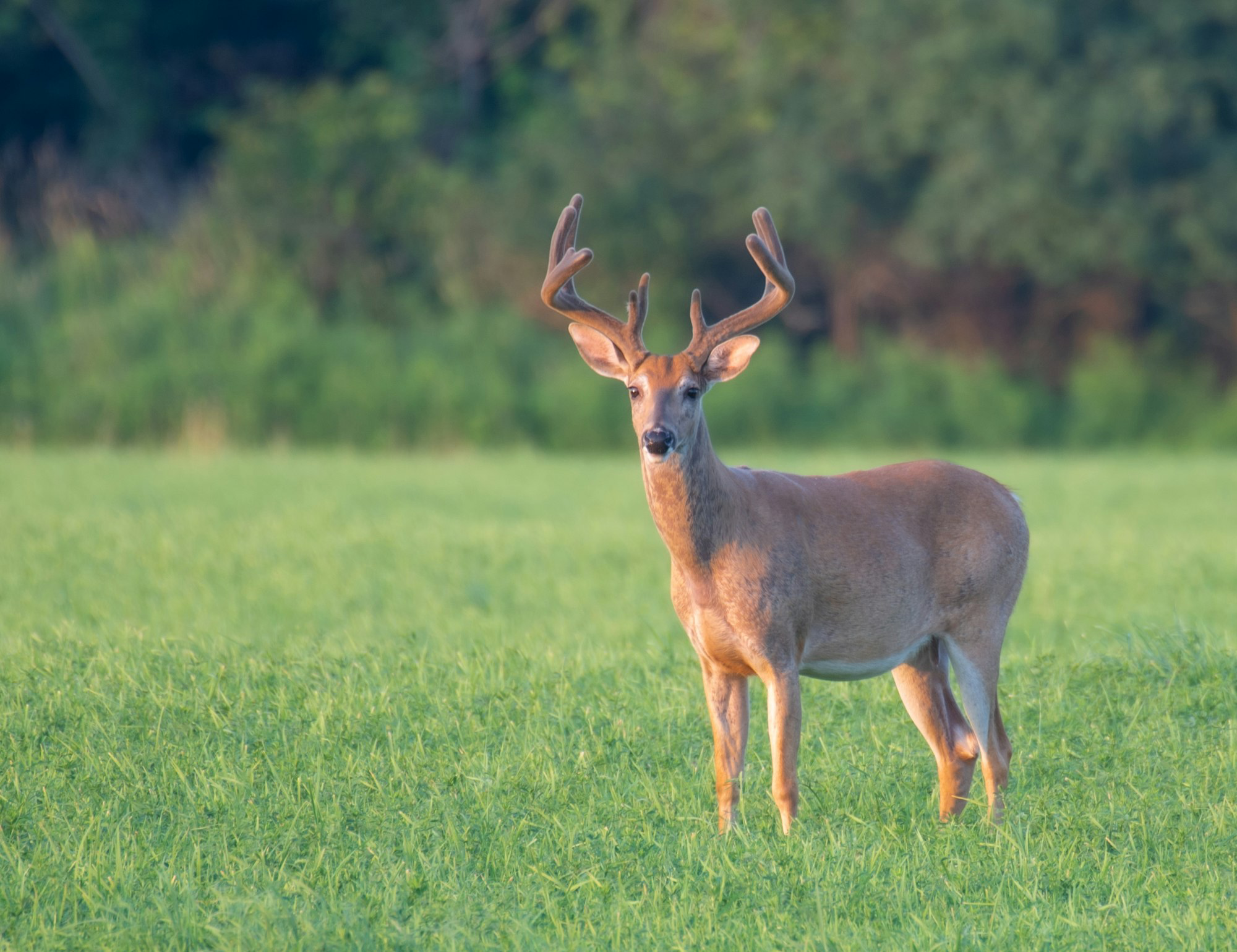
CWD Research Insights Shared at Deer Associates Gathering
Researchers presented sobering findings on Chronic Wasting Disease (CWD), describing it as perhaps the greatest long-term threat facing North American deer populations. Data from Arkansas revealed infection rates approaching 50 percent in some areas, substantial population declines, and evidence that infected deer often die years earlier than healthy animals. Scientists emphasized that CWD is unlikely to disappear and will require ongoing management for generations.
From where I sit, this is the kind of problem that keeps deer managers awake at night. Habitat can be improved. Herds can recover from drought. But a fatal disease that persists in the environment is a different sort of challenge altogether. The lesson is simple: healthy habitat buys resilience, but even the best-managed landscapes can only absorb so many pressures before populations begin to unravel.
Read the full article:
https://www.pitchstonewaters.com/cwd-research-insights-shared-at-deer-associates-gathering/

El Niño Is Here, and Scientists Fear It'll Be Big, Bad, and Costly with Heat, Floods, Droughts & Fires
Meteorologists have confirmed the arrival of a potentially historic El Niño event, one that could rival some of the strongest episodes on record. Scientists warn that the warming Pacific Ocean may amplify weather extremes around the globe, including floods, droughts, heat waves, severe storms, and wildfire activity. Some regions may benefit from additional rainfall, while others face heightened risk and economic disruption.
From where I sit, folks spend far too much time arguing about the weather and far too little time preparing for it. Whether El Niño brings drought, floods, or a little of both, healthy soils, functioning watersheds, and resilient ecosystems will always outperform degraded landscapes. Nature has a way of reminding us that prevention is cheaper than recovery.
Read the full article:
https://www.pitchstonewaters.com/el-nino-is-here-and-scientists-fear-itll-be-big-bad-and-costly-with-heat-floods-droughts-fires/
The future of biodiversity won't be determined by how well we react to crises after they occur. It will be determined by how wisely we steward the land before they arrive.
Until next time,
Stay curious. Stay engaged.
If you haven’t already - please check out our views on biodiversity at https://pitchstonewaters.com