US Tribes Get Bison as They Seek to Restore Bond With Animal
Bison are returning to Native American lands across the Great Plains, helping restore both healthy grasslands and centuries-old cultural traditions.

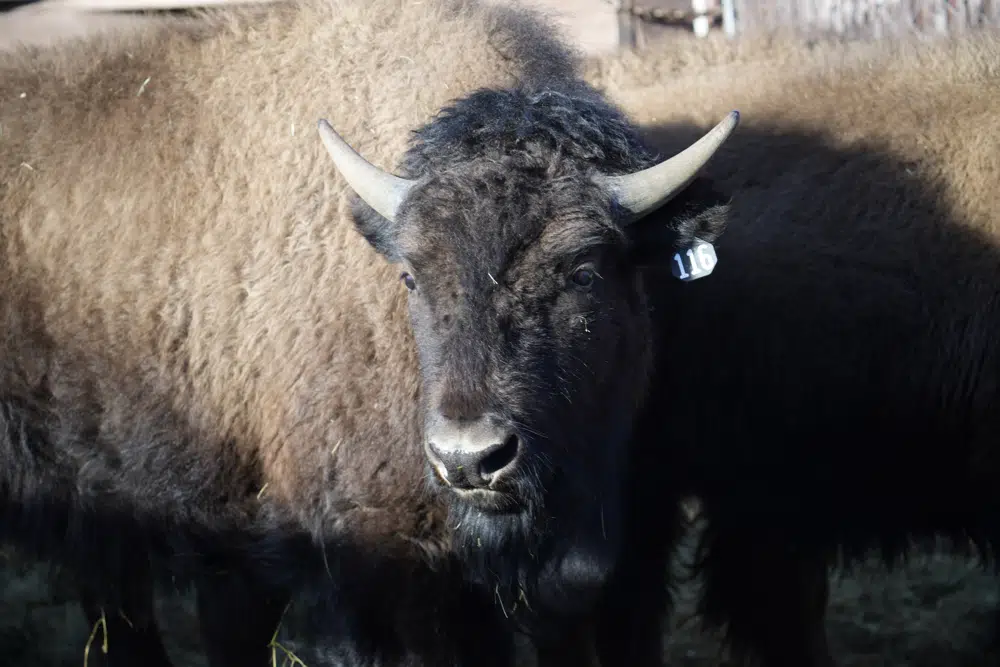
Dozens of bison from a conservation herd near Denver have been transferred to Native American tribes across the Great Plains, continuing a growing effort to restore buffalo to their ancestral landscapes. For the Yuchi, Eastern Shoshone, Northern Arapaho, and other tribes, these animals represent far more than wildlife—they symbolize the restoration of cultural traditions, ecological stewardship, and relationships with the land that were disrupted generations ago. The transfers are part of a broader initiative that has returned more than 20,000 bison to tribal lands across the United States.
This is conservation done the right way. Restoring buffalo isn't just about increasing wildlife numbers—it's about returning a keystone species to the people and landscapes that evolved alongside it. Healthy grasslands, thriving wildlife, and strong local stewardship have always gone hand in hand, and it's encouraging to see restoration focused on rebuilding those connections instead of simply checking another conservation box. Sometimes the best way forward is to restore what history took away.
NOTE: this article was originally published to APNews.com on March 15, 2023. It was written by Matthew Brown and Thomas Peipert.
More than a wildlife success story, these transfers represent a renewed partnership between people, buffalo, and the landscapes they have shaped together for thousands of years.
GOLDEN, Colo. (AP) — Dozens of bison from a mountain park outside Denver were transferred Wednesday to several tribes from across the Great Plains, in the latest example of Native Americans reclaiming stewardship over animals their ancestors lived alongside for millennia.
Following ceremonial drumming and singing and an acknowledgement of the tribes that once occupied the surrounding landscape, the bison were loaded onto trucks for relocation to tribal lands.
About a half-dozen of the animals from Colorado will form the nucleus of a new herd for the Yuchi people south of Tulsa, Oklahoma, said Richard Grounds with the Yuchi Language Project.
The herd will be expanded over time, to reestablish a spiritual and physical bondbroken two centuries ago when bison were nearly wiped out and the Yuchi were forced from their homeland, Grounds said.
He compared the burly animals’ return to reviving the Yuchi’s language — and said both language and bison were inseparable from the land. Bison were “the original caretakers” of that land, he said.
“We’ve lost that connection to the buffalo, that physical connection, as part of the colonial assault,” Grounds said. “So we’re saying, we Yuchi people are still here and the buffalo are still here and it’s important to reconnect and restore those relationships with the land, with the animals and the plants.”
The transfers also included 17 bison to the Northern Arapaho Tribe and 12 to the Eastern Shoshone Tribe — both of Wyoming — and one animal to the Tall Bull Memorial Council, which has members from various tribes, city officials said.
Wednesday’s transfer came two weeks after U.S. Interior Secretary Deb Haaland issued a bison conservation order meant to further expand the number of large herds on Native American lands. Haaland also announced $25 million to build new herds, transfer more bison from federal to tribal lands and forge new bison management agreements with tribes, officials said.
American bison, also known as buffalo, have bounced back from near-extinction in the 1880s but remain absent from most of the grasslands they once occupied.
Across the U.S., 82 tribes now have more than 20,000 bison, and the number of herds on tribal lands have grown in recent years. The animals have been transferred to reservations from other tribes, from federal, state and local governments and from private ranches.
Tens of millions of bison once roamed North America until they were killed off almost entirely by white settlers, commercial hunters and U.S. troops. Their demise devastated Native American tribes across the continent that relied on bison and their parts for food, clothing and shelter.
The animals transferred to the tribes Wednesday descend from the last remnants of the great herds. They were under care of the Denver Zoo and kept in a city park before being moved to foothills west of Denver in 1914.
Surplus animals from the city’s herd were for many years auctioned off, but in recent years city officials began transferring them to tribes instead, said Scott Gilmore, deputy executive director of Denver Parks and Recreation.
Gilmore said the land acknowledgement statement read out loud during Wednesday’s ceremony underscored the historical importance of the area to the Cheyenne, Arapaho, Ute and dozens of other tribes that once lived in the area. But he added those were just “words on a piece of paper.”
“What we’re doing is putting action to those words for Indigenous people. Buffalo are part of the land, they are part of their family,” Gilmore said. “They are taking their family members back to their ancestral home.”
To date, 85 bison from Denver have been transferred to tribes and tribal organizations. City officials said the shipments will continue through 2030.