Why Wild Horse Fire Brigade Stands Alone Among Wild Horse Nonprofits
Wild Horse Fire Brigade is advancing a different vision for conservation—one centered on preserving free-roaming, naturally breeding wild horse herds.


This article argues that the Wild Horse Fire Brigade (WHFB) has developed a distinct approach to wild horse conservation by focusing on preserving free-roaming, naturally breeding herds rather than managing horses in captivity. Led by William E. Simpson II, the organization highlights more than a decade of immersive field research, habitat protection, horse rewilding efforts, legal victories, wildfire mitigation research, and university partnerships as evidence that wild horses can play a meaningful ecological role while maintaining genetic diversity and natural social structures.
NOTE: this article was originally sent to us by email, via Captain William Simpson of Wild Horse Fire Brigade.
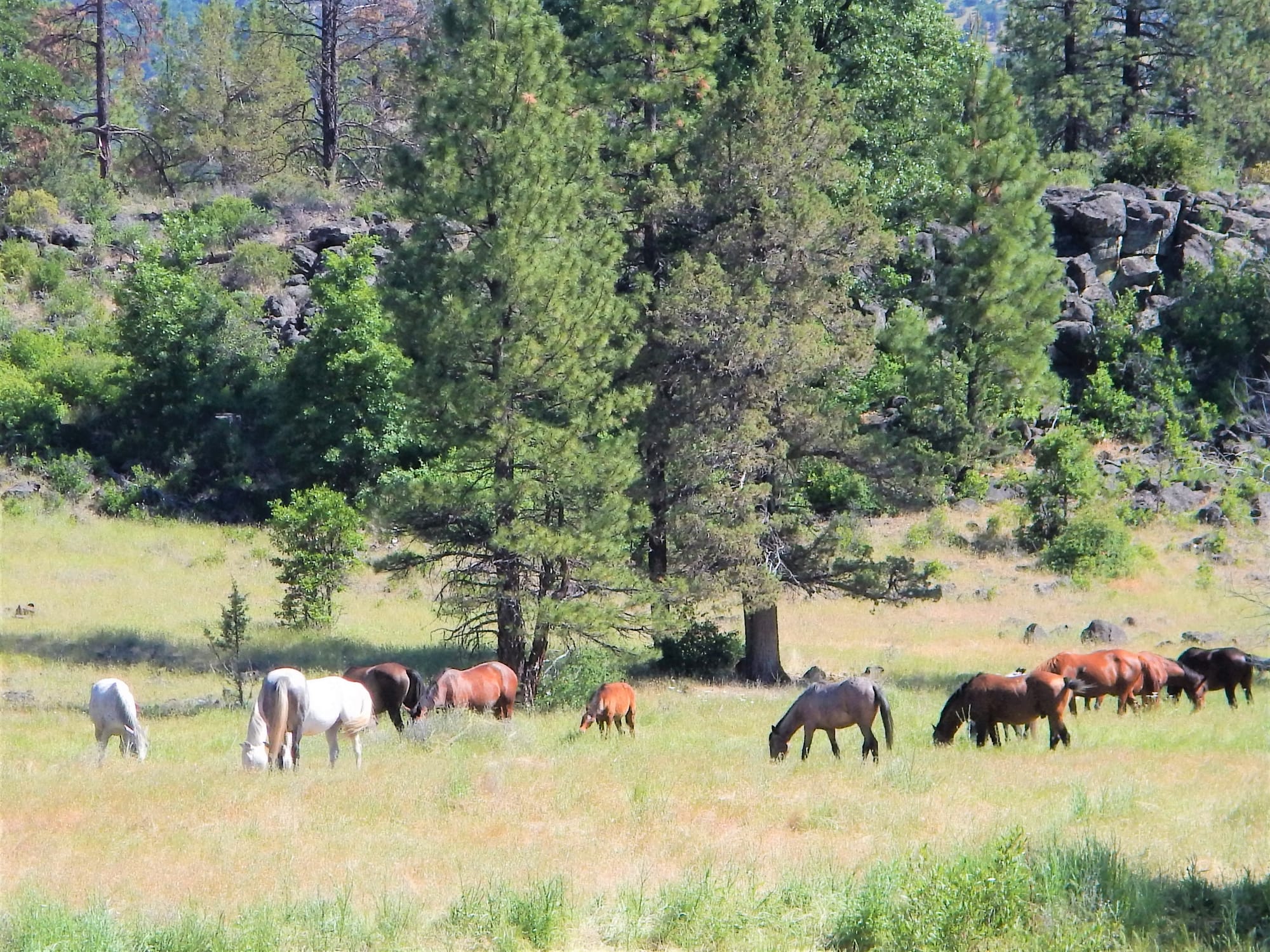
In the world of wild horse advocacy, many nonprofits perform important rescue and sanctuary work. But when it comes to preserving genetically viable, free-roaming, naturally breeding herds living in wilderness habitats shaped by natural selection, Wild Horse Fire Brigade (WHFB) occupies a unique position.
Founded and led by ethologist William E. Simpson II, WHFB has developed a conservation model focused not simply on saving individual horses, but on protecting entire genetic lineages, preserving habitat, advancing scientific understanding, and demonstrating the ecological value of wild horses on the landscape.
More Than 25,000 Hours of Immersive Field Research
For more than 12 years, William E. Simpson II has lived among a cultural-heritage herd of approximately 200 wild horses in a remote wilderness region along the California-Oregon border.
Using the immersive observational approach popularized by Jane Goodall, Simpson has accumulated more than 25,000 hours of direct behavioral study—an amount of field observation that supporters say exceeds that of any other researcher studying free-roaming wild horses in America.
In 2020, Simpson was joined by Michelle Gough, M.S., of Cherokee-Choctaw heritage, whose background includes medicine, science, and animal behavior.
Today, Simpson is observing the twelfth generation of horses born within the same herd he has documented for more than a decade.
One of America's Oldest Heritage Wild Horse Herds
Supporters contend that the herd represents one of North America's oldest continuously documented wild horse gene lines.
Historical accounts suggest ancestors of the herd were observed living alongside Indigenous peoples as early as 1579 during Sir Francis Drake's exploration of the Pacific Coast.
The herd maintains intact family bands and natural selective pressures that proponents argue are essential for long-term genetic vigor.
First Study of Wild Horse Behavior During a Major Wildfire
During the 2018 Klamathon Fire, Simpson became the first researcher to document wild horse behavior during an active catastrophic wildfire.
Serving as a volunteer technical advisor on the CAL FIRE fire line for nine days, he observed the herd's response firsthand.
According to Simpson's findings, the horses remained calm, continued grazing, and moved strategically rather than panicking. He argues that their year-round grazing had created a roughly 5,000-acre zone of reduced fine fuels that helped slow the fire's advance and protect nearby forests and communities.
Rewilding Horses Otherwise Bound for Holding or Slaughter
Between 2017 and 2024, WHFB reports successfully rewilding nearly 100 horses that otherwise faced slaughter or long-term confinement.
Rather than placing these animals into permanent captivity, the organization integrated them into existing family bands, allowing them to live and reproduce as free-roaming wild horses.
Habitat Protection and Legal Ownership
A distinguishing feature of WHFB's approach is its acquisition of key habitat lands used by the herd.
Through California livestock and property law, Simpson secured legal ownership of the herd, changing its status from "feral" animals to a privately owned herd of wild horses under California law.
Supporters view this as a groundbreaking conservation strategy that provides long-term legal protection.
Landmark Lawsuit Against the Bureau of Land Management
In 2022, WHFB partnered with Vermont Law and Graduate School's Environmental Advocacy Clinic to challenge a planned Bureau of Land Management roundup affecting horses on private property.
The resulting settlement halted the roundup and required compliance with federal environmental review requirements and provisions of the Wild Free-Roaming Horses and Burros Act.
University Partnership and Education
WHFB also partnered with California State University, Sacramento, to establish what it describes as the world's first wilderness field study program focused on:
- Wild Horse Ecology
- Ethology (Animal Behavior)
- Wildfire Fuels Management
Students participate in immersive field experiences living among the herd and studying its ecological interactions.
Wildfire Mitigation and Ecological Benefits
Central to WHFB's mission is the belief that wild horses can serve as natural wildfire mitigation agents.
The organization argues that year-round grazing by large herbivores reduces fine fuels, lowers fire intensity, supports biodiversity, and restores ecological processes lost from many western landscapes.
Supporters point to the Klamathon Fire as evidence that wild horses can play a meaningful role in landscape-scale wildfire resilience.
Why Supporters Say WHFB Is Different
According to the organization, most wild horse nonprofits focus primarily on rescuing and caring for individual horses in fenced sanctuaries or adoption programs.
WHFB argues that conserving viable, naturally breeding populations requires a broader approach focused on habitat, genetics, natural selection, and ecological function.
Among its accomplishments, the organization cites:
- Management of a free-roaming herd of approximately 200 horses
- Rewilding nearly 100 horses
- Acquisition of critical habitat
- Legal ownership and protection of the herd
- A successful federal lawsuit against the BLM
- The first wildfire behavior study involving wild horses
- A university-level ecology and ethology program
- Preservation of a heritage genetic lineage
- Demonstrated wildfire mitigation benefits
A Different Vision for Wild Horse Conservation
WHFB advocates a conservation model centered on rewilding horses into suitable wilderness landscapes where they can contribute to ecosystem health, biodiversity, and wildfire fuel reduction while preserving their natural social structures and genetic diversity.
Supporters describe the work of William E. Simpson II, Michelle Gough, and the organization's volunteers as a new paradigm in wild horse conservation—one focused not merely on preserving horses, but on restoring the ecological relationships that allow them to remain truly wild.
For more information, visit wildhorsefirebrigade.org.