Restoring Biodiversity - 11/24/2026
This week’s stories ask a practical question with wide consequences: are we measuring what matters on the land, or just the easiest thing to count?


This week’s edition keeps returning to a deceptively simple problem: the wrong measurement can lead to the wrong decision. A pasture can look productive while losing structure. Recovery can appear inevitable until feedbacks lock in decline. Even a cow pie turns out to be a test of whether ecological processes are actually working.
There is also one piece this week that is less settled than the others. Our featured open letter on wild horses and public-lands ranching is worth reading precisely because it raises a consequential proposal and forces harder questions about evidence, law, costs, and what land-first management would require in practice.
Articles
A Ranch Is a Food Web, Not a Forage Factory
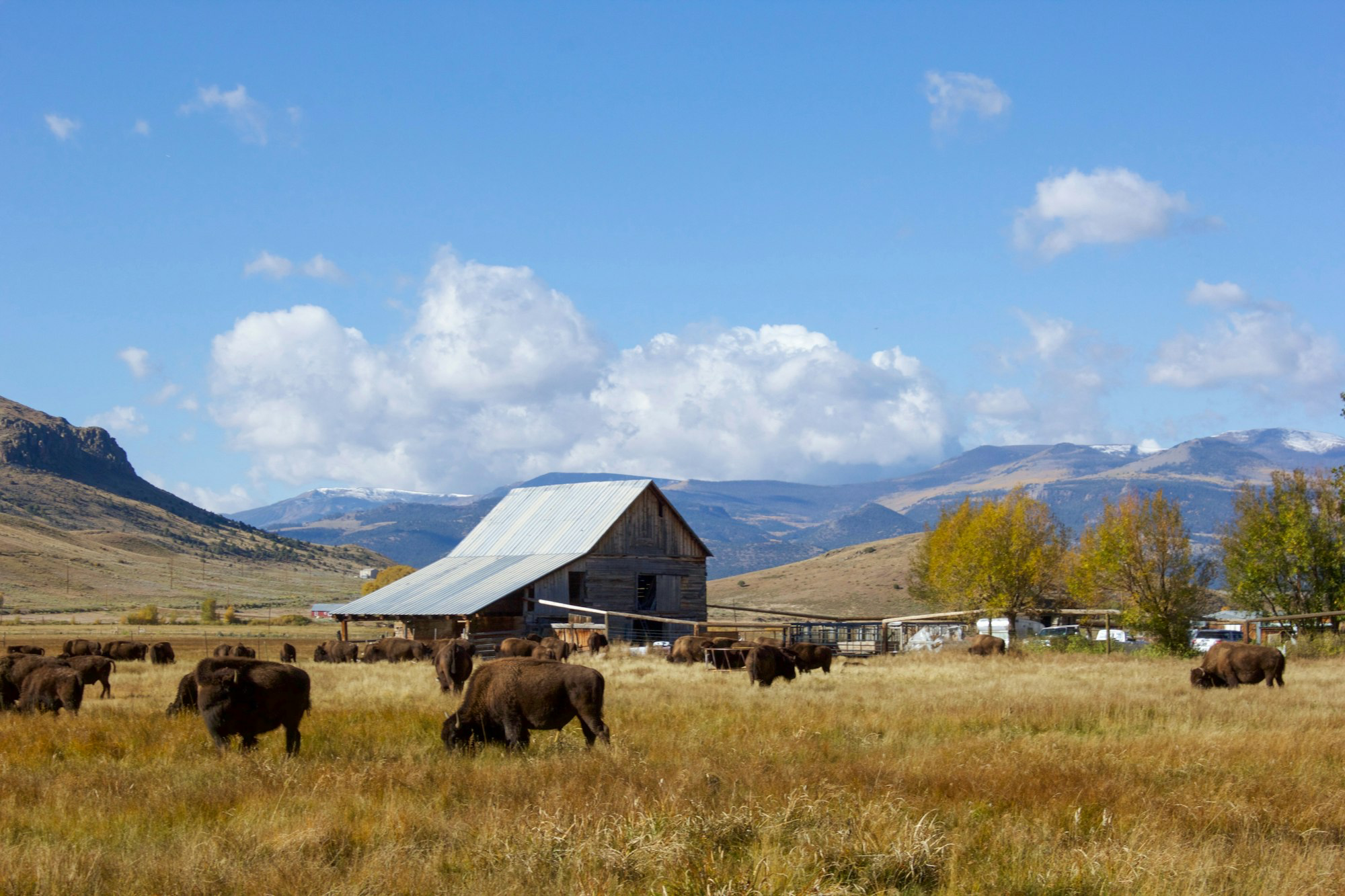
Forage still matters. But if forage becomes the only scorecard, it can hide the slow loss of everything that makes production durable: cover, flowering plants, insects, patch structure, wildlife use, and the ecological relationships that keep a ranch resilient when weather and markets turn.
This piece argues for reading a ranch as a living system rather than a single-output machine. If you want a better set of field questions—and a sharper way to think about what a working grassland is actually producing—start here.
Open Letter to America’s Public Lands Ranching Community
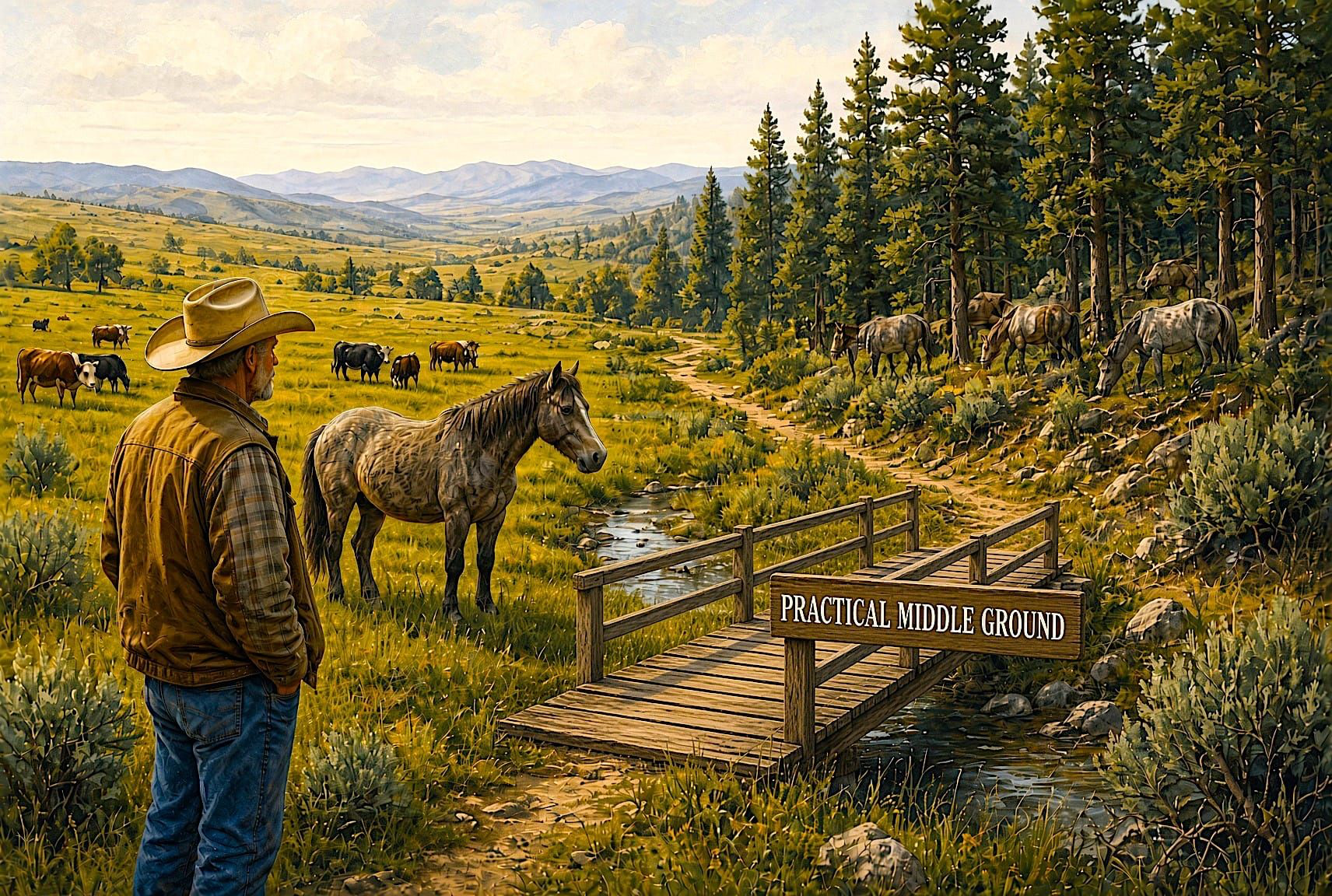
Wild horses and public-lands grazing have produced more heat than resolution for years. This guest letter proposes a different path: a limited pilot to relocate wild horses to remote wilderness and forest landscapes, with the promise of reducing conflict, lowering costs, and changing wildfire fuel conditions.
Pitchstone’s framing is what makes this especially worth your time. The article presents the proposal, but it also separates what appears established from what remains asserted, legally uncertain, or still unproven in the field. If you care about evidence-based land stewardship rather than slogans from either side, this is a useful place to engage the argument.
Can a Coyote Change a Pasture Without Killing Anything?
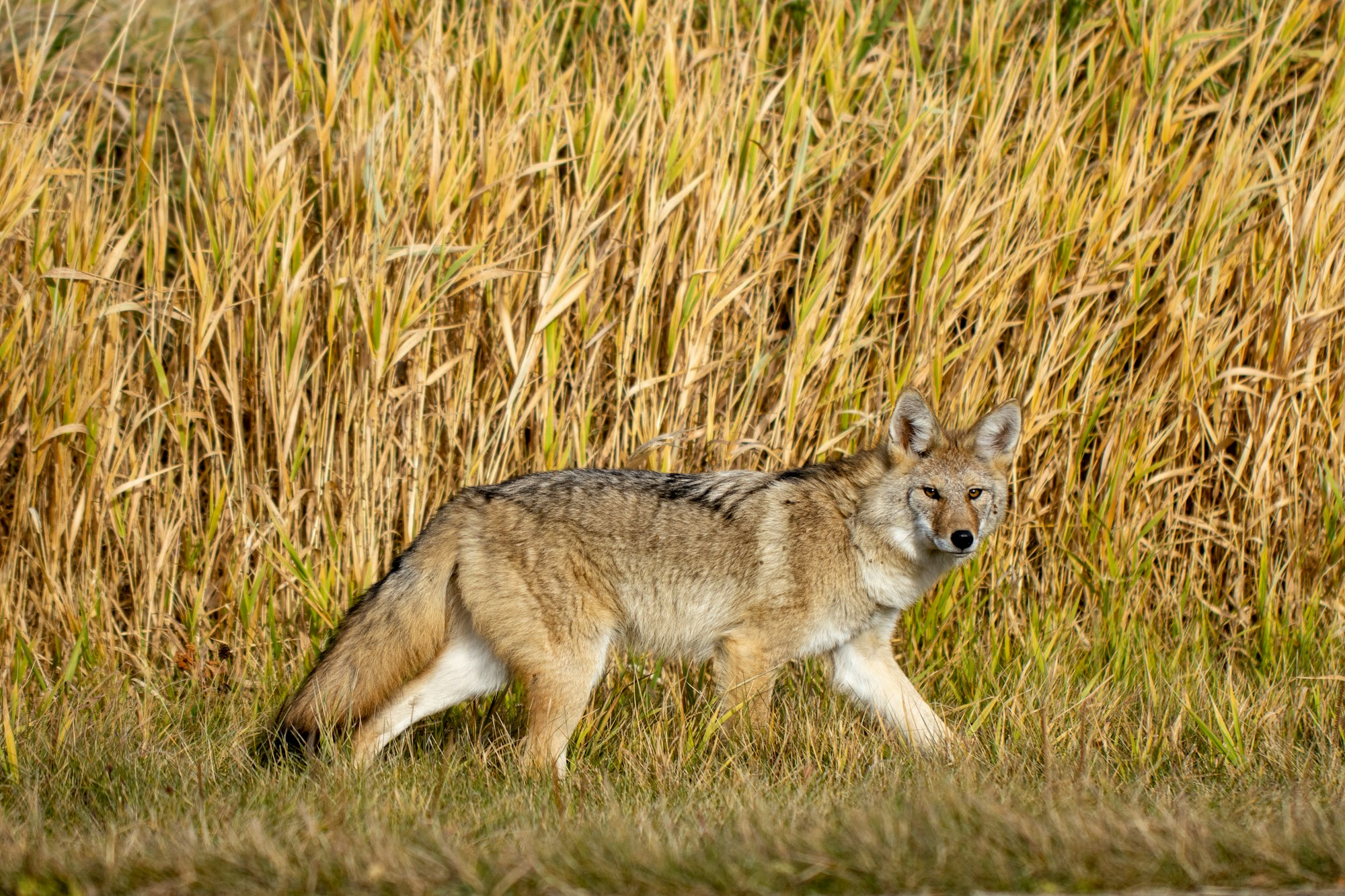
Predators can alter a landscape without making a kill in the place where you notice the change. But how much can you really infer from that? Less than many popular predator narratives suggest—and more than a simple headcount will capture.
This article takes up the “risk effect” question with exactly the kind of caution land managers need. If you have ever wondered whether changed wildlife behavior means you are seeing a trophic cascade, a temporary shift, or just a story outrunning the evidence, this one is worth the click.
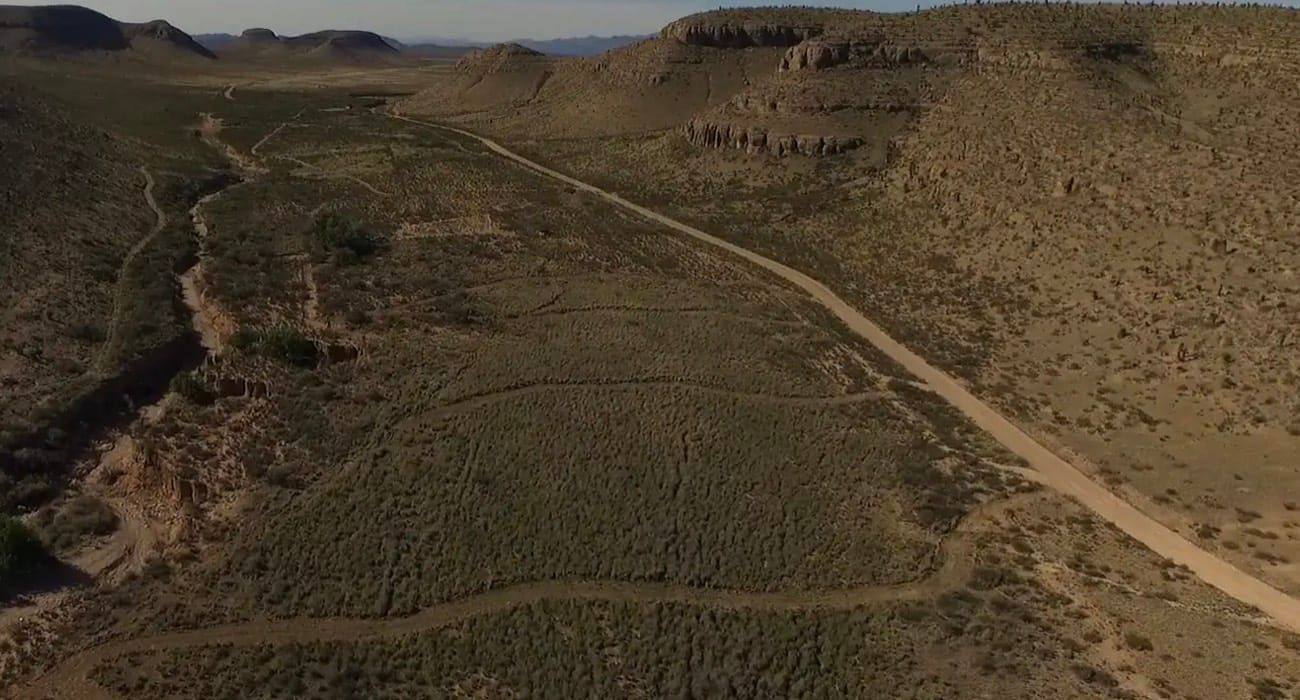
Why Land Recovery Can Stall After the Pressure Is Gone
One of the most persistent assumptions in land management is that once the pressure stops, recovery should follow. Sometimes it does. Sometimes the system has changed enough that the old pathway back no longer works.
This piece is about thresholds, feedbacks, and the practical difference between “slow recovery” and “a different state.” If you are trying to decide whether a site needs patience, a different intervention, or a more honest diagnosis, the article lays out the questions that matter without pretending recovery is ever automatic.
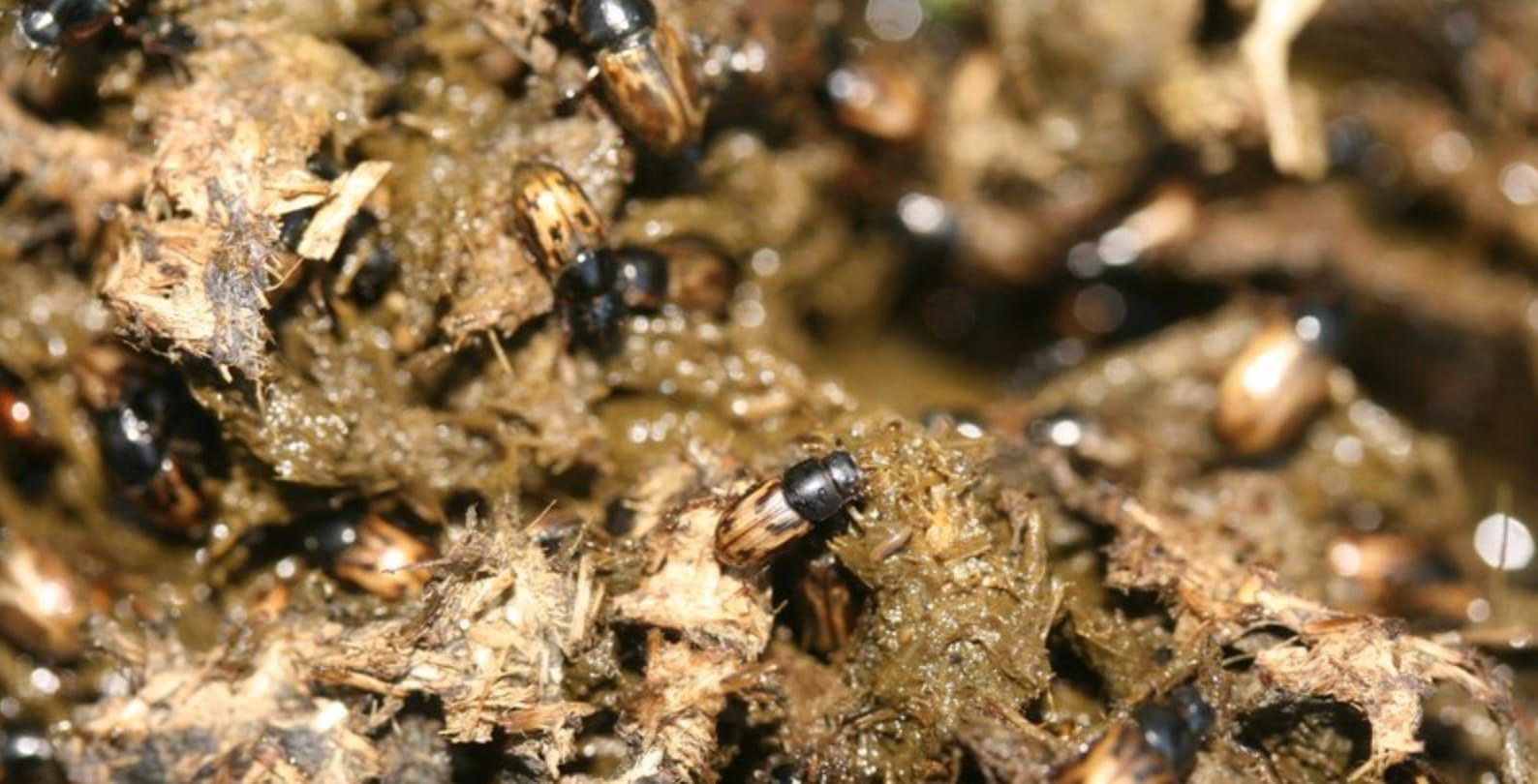
What a Cow Pie Does After the Herd Moves On
Manure is often treated as an automatic good in grazing conversations. This article makes the more useful point: dung is only the beginning of a process, and what follows depends on moisture, insects, microbes, livestock treatments, and how the pasture functions after the herd leaves.
It is a small subject that opens onto bigger management questions about nutrient cycling, beneficial insects, fly pressure, and animal-health decisions that carry ecological consequences. Read it if you want a more exact picture of what “recycled fertility” really requires.
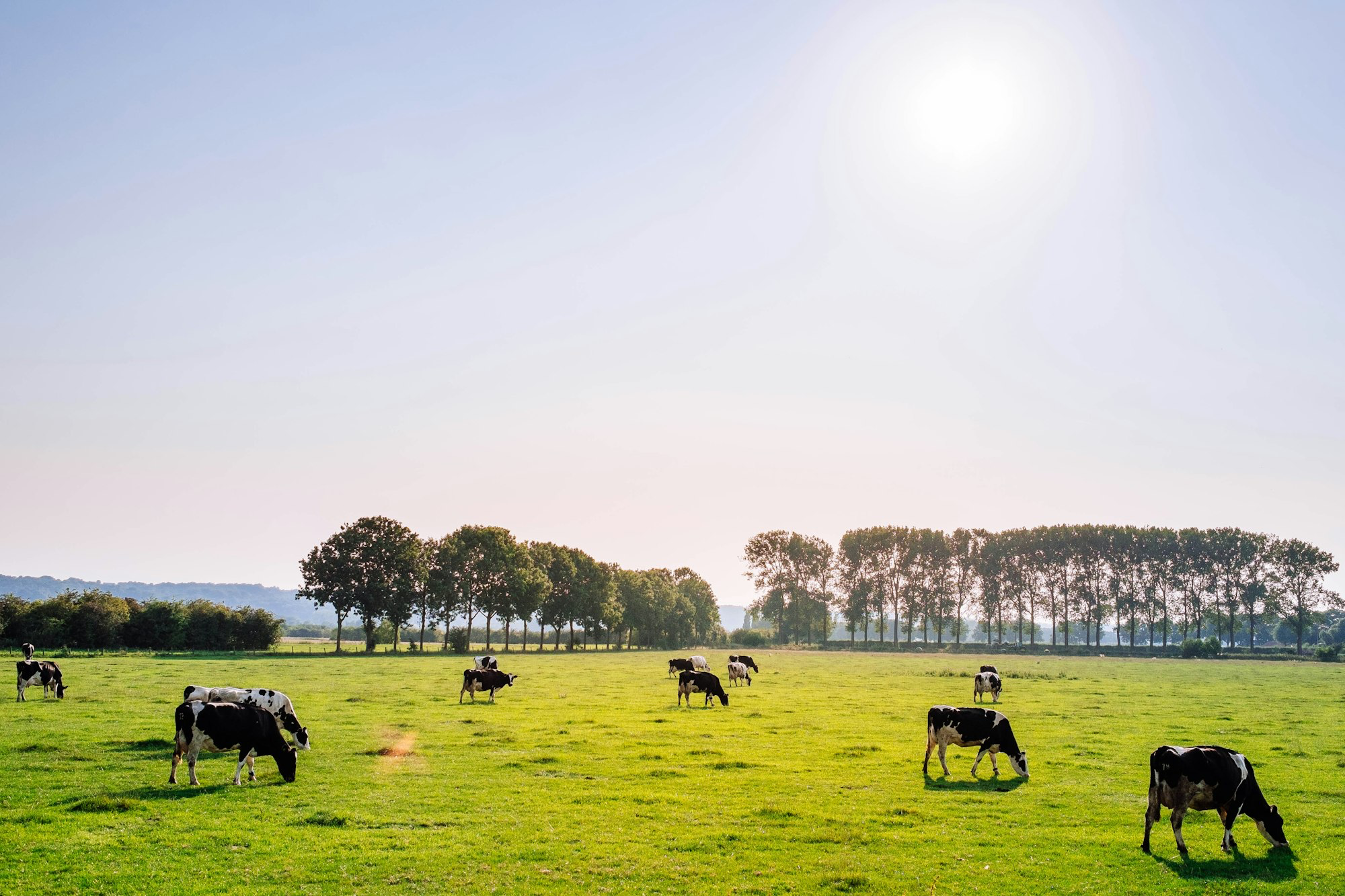
Read a Pasture in Layers, Not Averages
Average pasture height sounds precise. It can also be ecologically misleading. Wildlife, runoff, recovery, and grazing pressure all operate in patterns, patches, and transitions—not in neat means.
This article offers a field-ready way to walk a pasture from soil surface to skyline, looking for the structure and distribution that averages miss. If you want a more observational, decision-focused way to read what a pasture is telling you, this is one of the week’s most practical pieces.
Connecting the Dots
Several of this week’s pieces point to the same discipline: don’t confuse a visible outcome with the whole process that produced it. Grass yield is not the full measure of a ranch. Predator presence is not a verdict on ecosystem balance. Removing pressure is not the same thing as restoring function. Even manure is not nutrient cycling until the rest of the system does its work.
That is a useful biodiversity lesson in its own right. The most important changes on working lands are often relational before they become obvious: who is using the ground, when they use it, what structure remains, whether water infiltrates, whether nutrients move, and whether the land is preserving options for the next season instead of merely surviving the current one.
Keep Exploring. Keep Learning.
Good land stewardship begins with asking better questions. Every week, Pitchstone Waters shares practical ideas, research, and perspectives to help ranchers, landowners, and conservationists better understand the land they care for.
Want more than our Tuesday newsletter? We publish new articles throughout the week. You can opt in to Every New Article through your email subscription preferences and receive each new story as it's published.
Know someone who cares about healthy working lands? Forward this newsletter to them and encourage them to subscribe to Pitchstone Waters. It's free, and every new reader helps us bring these conversations to a wider community.
Thanks for reading, and for helping us spread ideas that make a difference on the land.
Chris Gill & the Pitchstone Waters team