Restoring Biodiversity - 11/17/2026
This week’s stories ask a practical question with broad consequences: where, exactly, are water, wildlife, and resilience being helped—or quietly lost—on working lands?


Several of these stories this week come back to the same management habit: stop at the place where the problem becomes visible, then keep going until you find the feature, pattern, or assumption that is actually driving it.
That might mean following runoff upslope instead of repairing damage at the outlet, checking whether a cool stream reach is created by shade or groundwater before planting trees, or walking the section of fence where wildlife really tries to cross instead of measuring the easy stretch by the gate. The throughline is practical: biodiversity gains on working lands often begin with better diagnosis.
Articles
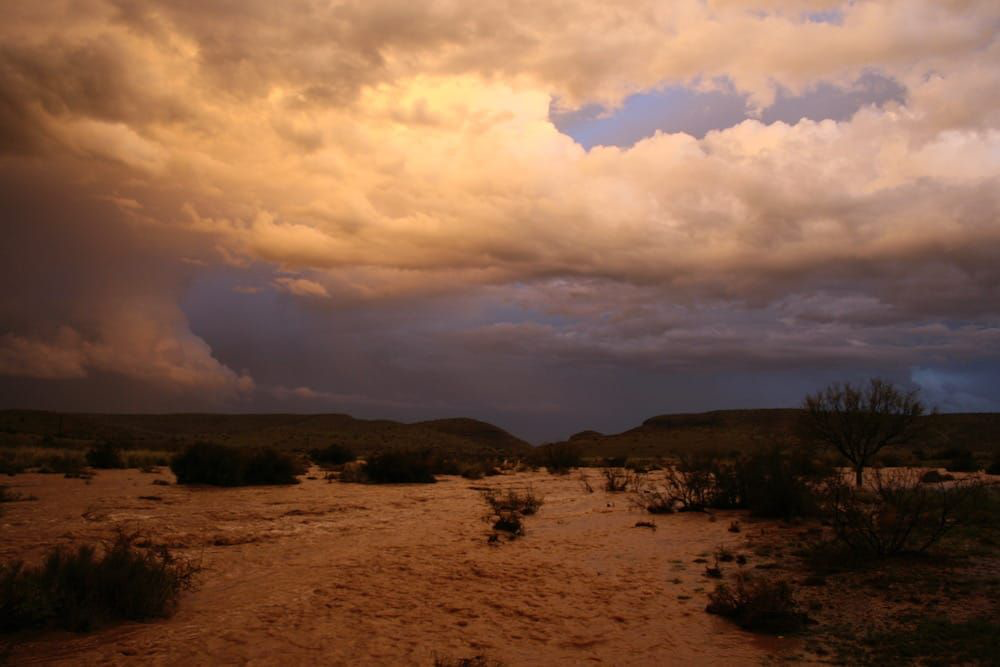
Where Does the Rain Go on a Ranch?
Two slopes can receive the same storm and make very different use of it. This piece starts where many water conversations should start: not with how much rain fell, but with how runoff actually moves across ground cover, roads, bare patches, crossings, and small topographic features.
The important question here is not whether a ranch “needs more water” in the abstract. It is whether one small, overlooked part of the landscape is routing water away faster than it has to. That shift in perspective can change what gets fixed first.
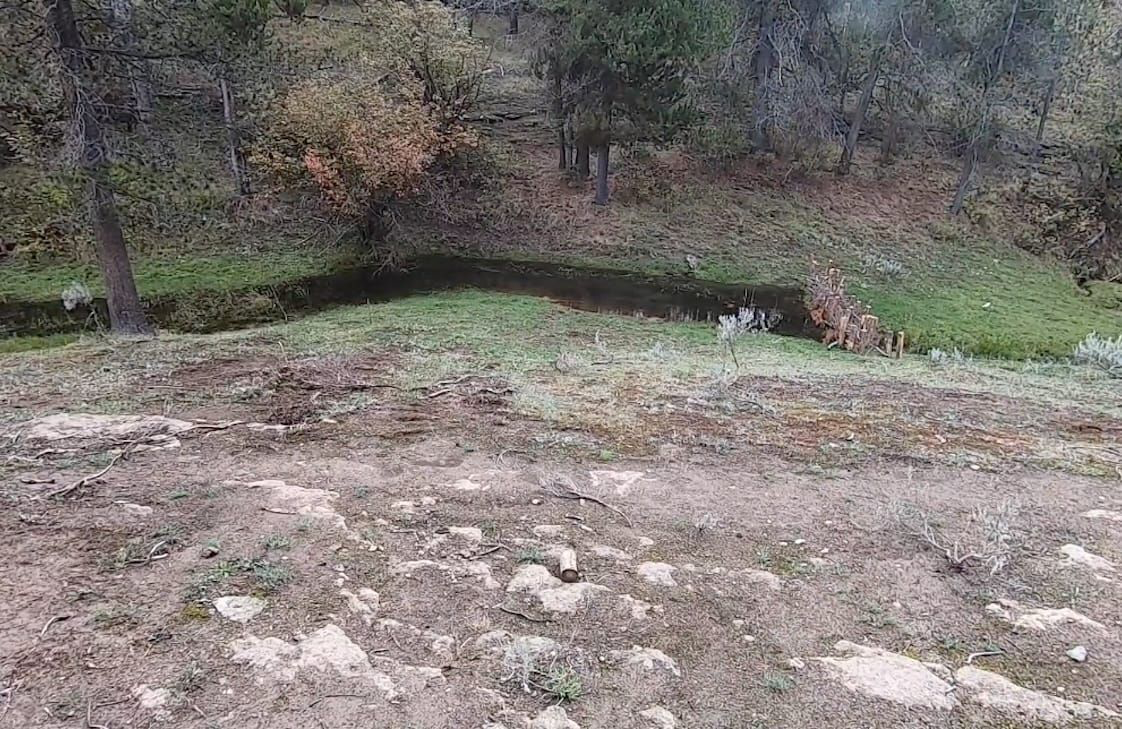
What Can a Beaver Dam Analog Actually Do?
Beaver dam analogs are often discussed as if “holding water” were a complete answer. This article makes the case for being more specific. A little backed-up water may be exactly what a drying meadow needs—and exactly what a road crossing or downstream asset does not.
What makes this one worth reading is the emphasis on what was measured, what was not, and what land managers should verify before treating a structure as a universal restoration solution.
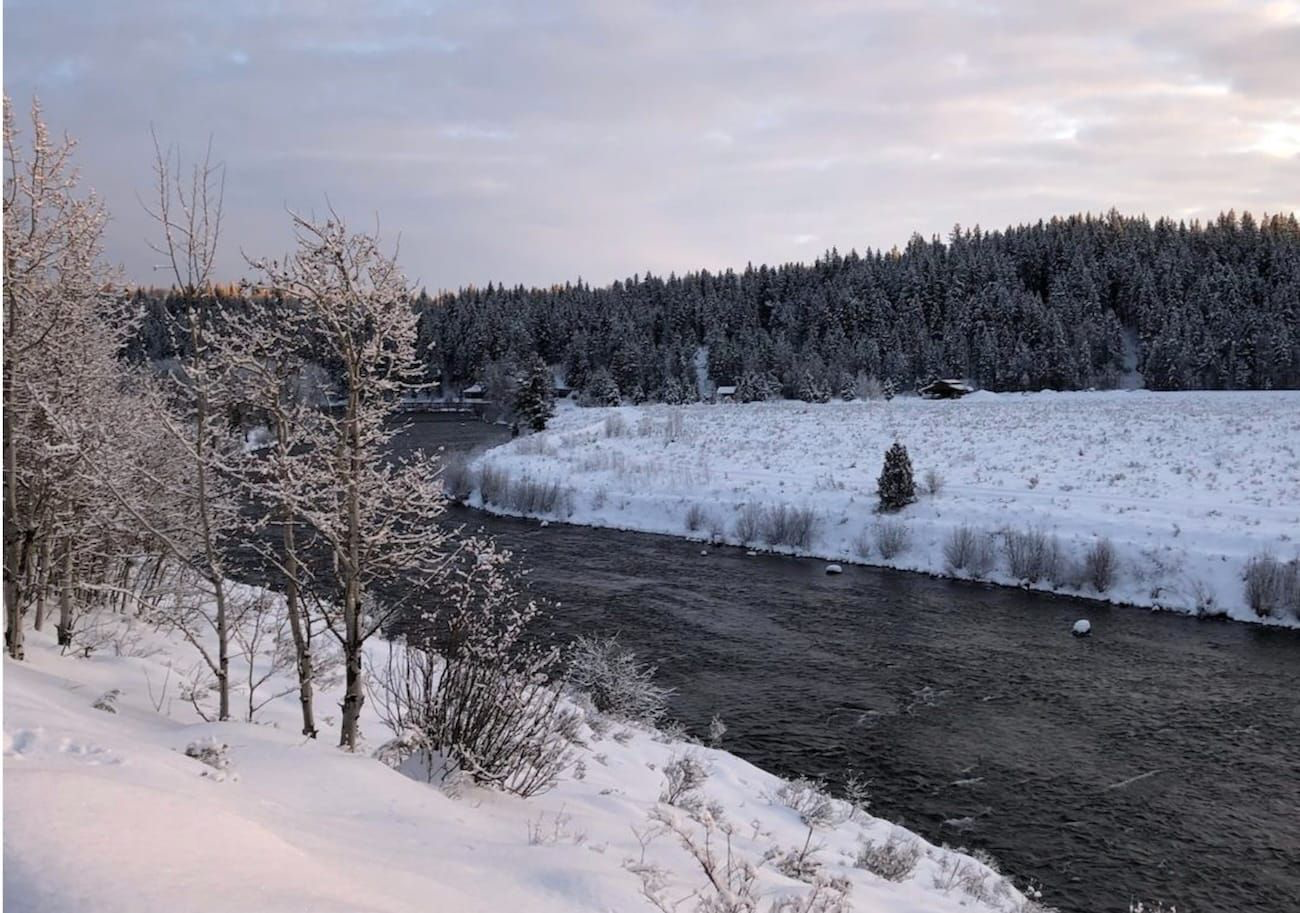
Why One Reach of a Stream Stays Colder Than the Next
A cooler reading at one point on a stream can mean several very different things. Shade, channel form, groundwater, tributary inputs, and timing all matter—and they do not imply the same management response.
This story is especially useful because it reframes “cold water refuge” from a nice phrase into a field question: is the cool patch actually available, connected, and persistent when fish need it most?
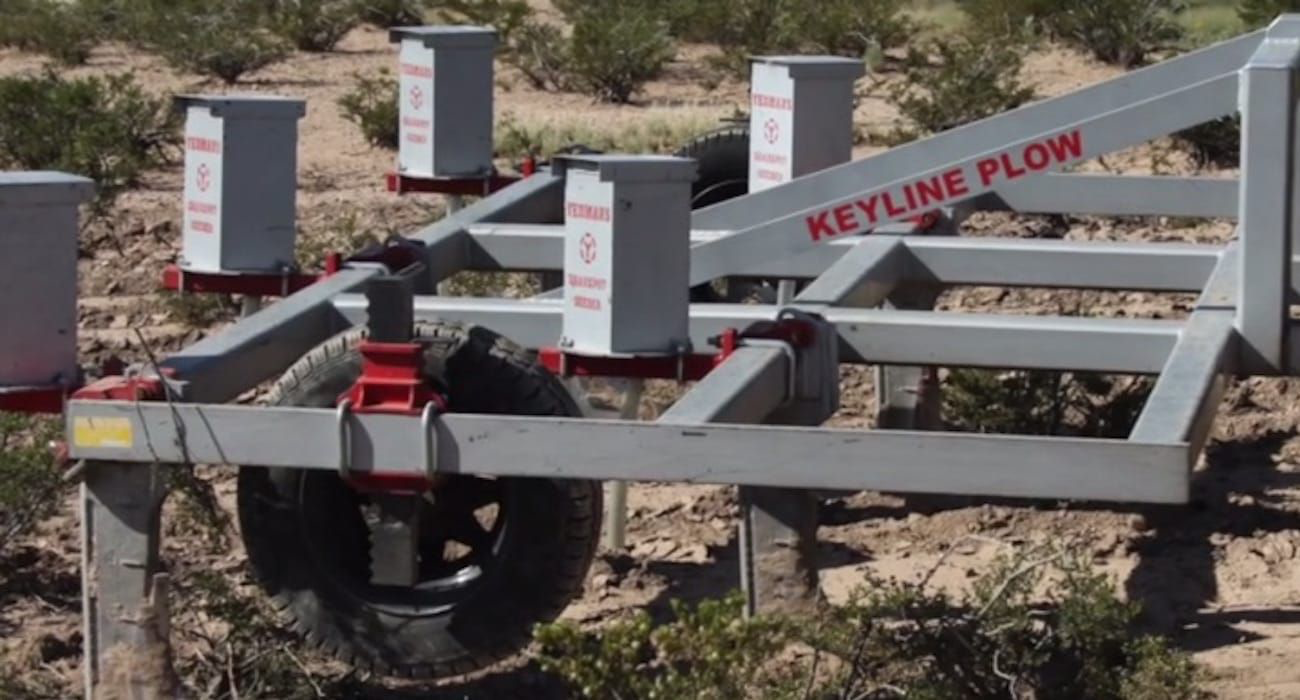
Before You Subsoil a Pasture, Check What Is Stopping the Roots
Mechanical treatment can be visually impressive. Diagnosis is less dramatic and far more important. Before bringing steel onto a pasture, this article argues for figuring out whether roots are really being limited by compaction—or by something that subsoiling will not solve.
The practical value is in the distinction between resistance in the ground and the actual cause of that resistance. If you manage land long enough, that is the difference between an expensive intervention and a useful one.
recognized.
Looking Ahead
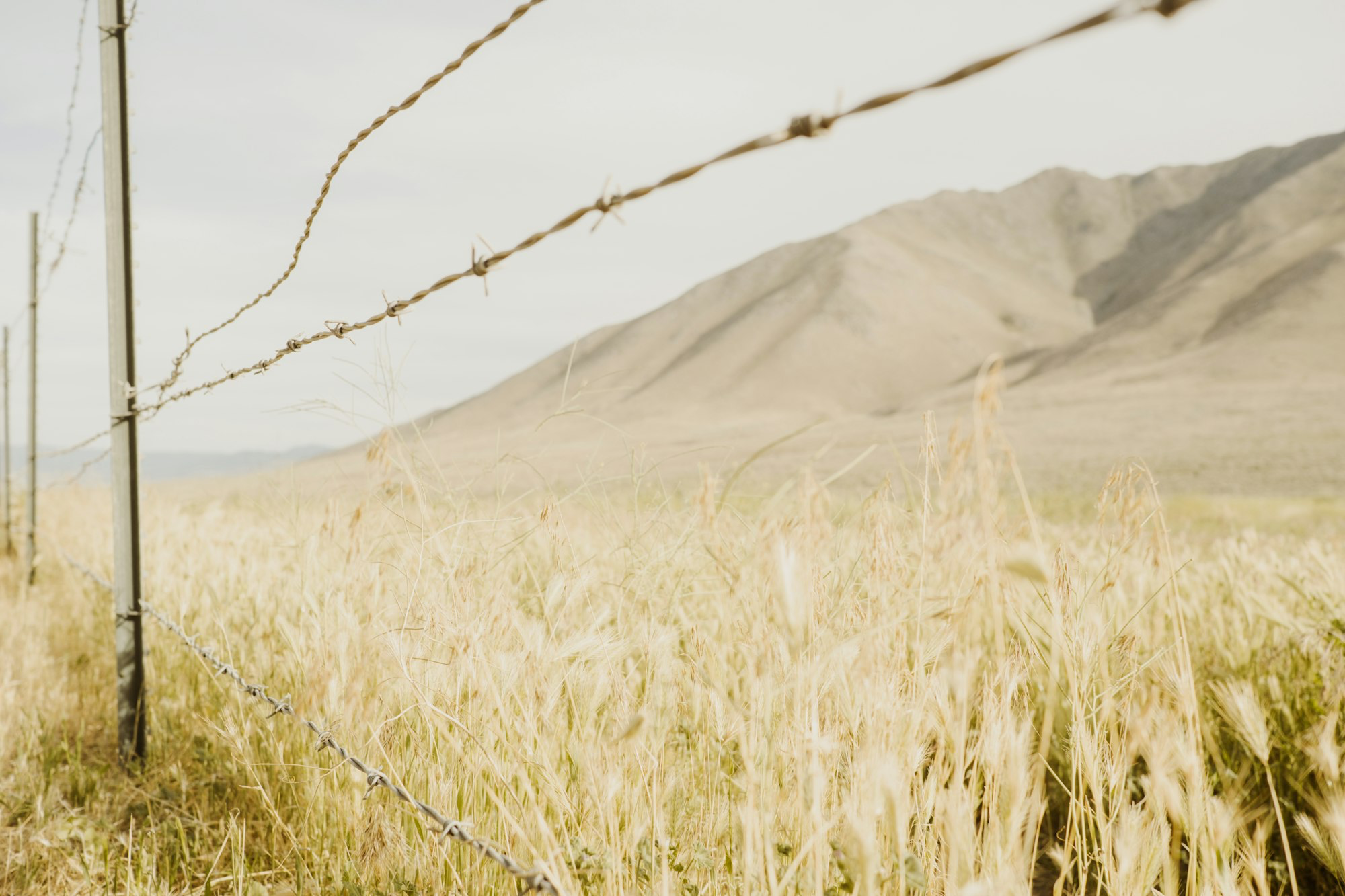
Walk a Ranch Fence Where Wildlife Tries to Cross
Fence conversations often stay abstract: wildlife-friendly or not, stock-tight or not. This piece returns the problem to the ground. The fence section that matters most may be the shallow draw, worn trail, or sagging span that animals repeatedly encounter—not the convenient stretch beside the gate.
It is a short field-minded argument for measuring real crossings, documenting actual conditions, and making targeted changes that respect both habitat connectivity and livestock containment.
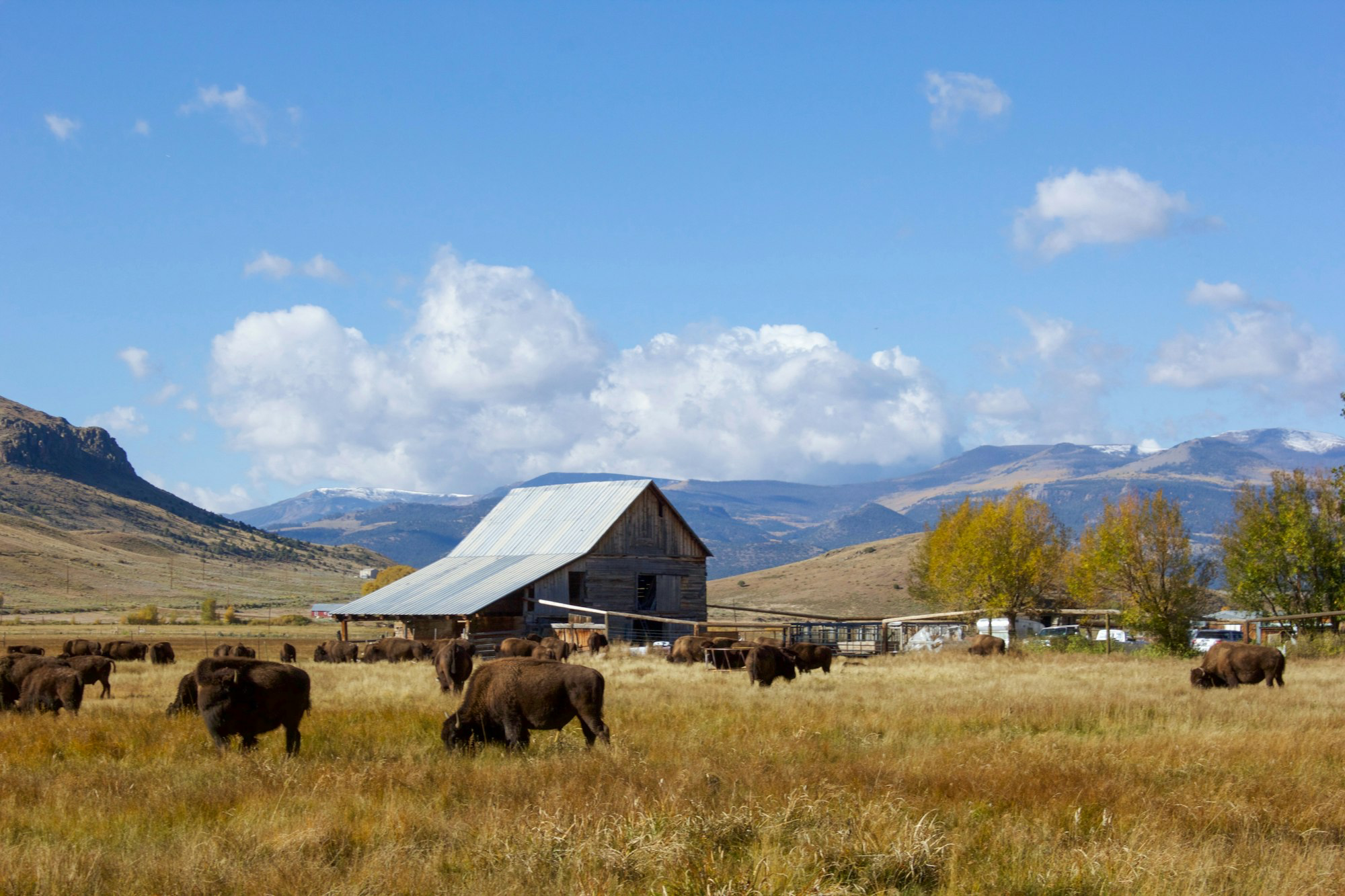
A Ranch Is a Food Web, Not a Forage Factory
The broadest essay of the week may also be the one that ties the others together. A pasture can produce grass and still be losing the structure, diversity, and ecological relationships that make production durable over time.
Rather than treating forage as the whole scorecard, this article asks what else the land is supporting: infiltration, cover, flowering plants, insects, wildlife movement, decomposition, recovery options, and resilience under stress. It is a useful framework piece for readers who think working lands and biodiversity should be evaluated together, not separately.
Connecting the Dots
A recurring Pitchstone Waters theme is that management improves when categories become mechanisms. “Compaction,” “refuge,” “restoration,” “wildlife-friendly,” and even “forage production” can all be too vague to guide good decisions on their own.
The stronger question is usually narrower: Which flow path is connected? Which ground is actually getting wetter? Which crossing is blocking movement? Which layer of the food web is thinning out first? Those are the kinds of questions that lead to measurable gains rather than attractive labels.
Looking Ahead
If this week’s stories prompt a useful field habit, it may be this: when something on a ranch seems obviously wrong—or obviously beneficial—look one step closer before acting. Many of the most important biodiversity decisions on working lands turn on details that are easy to miss from the road and expensive to ignore.
Keep Exploring. Keep Learning.
Good land stewardship begins with asking better questions. Every week, Pitchstone Waters shares practical ideas, research, and perspectives to help ranchers, landowners, and conservationists better understand the land they care for.
Want more than our Tuesday newsletter? We publish new articles throughout the week. You can opt in to Every New Article through your email subscription preferences and receive each new story as it's published.
Know someone who cares about healthy working lands? Forward this newsletter to them and encourage them to subscribe to Pitchstone Waters. It's free, and every new reader helps us bring these conversations to a wider community.
Thanks for reading, and for helping us spread ideas that make a difference on the land.
Chris Gill & the Pitchstone Waters team
