Restoring Biodiversity - 8/25/2026
From tiny wasps protecting Texas forests to elk and grizzlies moving across millions of acres of wilderness, this week's Restoring Biodiversity explores conservation at every scale.


Thank you for subscribing to the Pitchstone Waters weekly newsletter.
This week's Restoring Biodiversity looks at conservation from several different scales. Researchers are using tiny parasitoid wasps to fight the invasive emerald ash borer threatening hundreds of millions of Texas trees. In the Upper Snake River Basin, competing demands for water demonstrate why Western water problems increasingly involve management as much as supply. We also feature the work of wildlife mapping pioneer Shawn Vickers and his unique perspective on Pitchstone Waters Ranch.
Here is what we’ve been reading, watching and writing about over the past week…
Articles

Emerald Ash Borers Are Decimating Texas Trees. Wasps Might Help Defeat Them.
The emerald ash borer, an invasive beetle first detected in Texas in 2016, continues to spread across the state, threatening an estimated 400 million ash trees and the ecosystems that depend on them. While insecticide treatments can protect individual trees, researchers believe the most promising long-term solution is the use of tiny parasitoid wasps—natural predators of the beetle discovered in Asia—which have already reduced beetle populations in other states. At the same time, conservationists are preserving ash tree seeds and encouraging responsible firewood practices as part of a broader effort to slow the insect's spread and protect Texas forests.
Wyoming's Snake River Can't Quench Idaho's Thirst
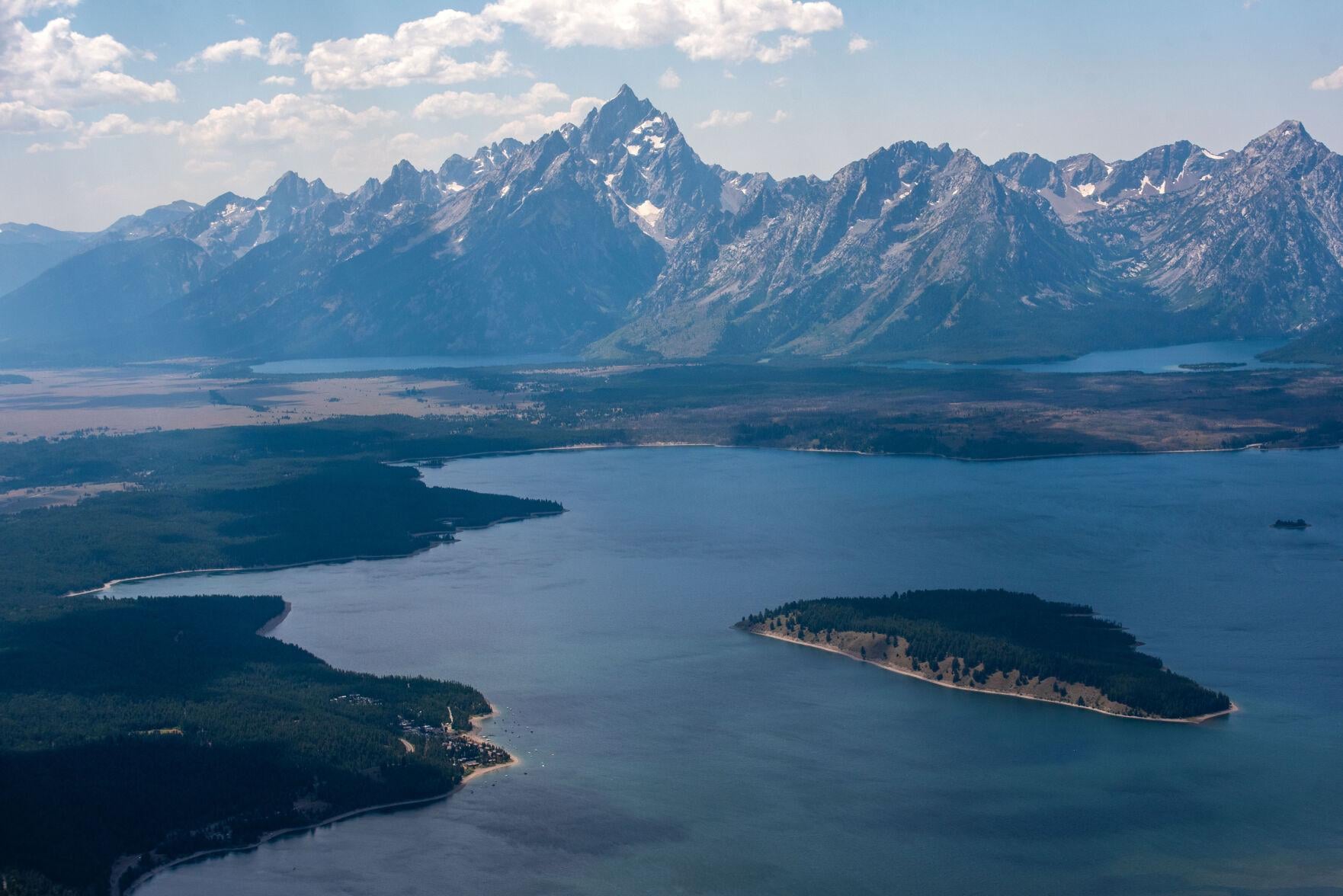
You can fill every reservoir in the Upper Snake Basin and still not have enough water to satisfy everyone. That's the hard reality of Western water law, where century-old irrigation rights, growing demand, climate change, shrinking reservoir capacity, and ecological needs are all competing for the same finite resource. The recent fight over Jackson Lake Dam—where proposed releases nearly dropped low enough to damage the Snake River through Grand Teton National Park—shows that even in a good snow year, the West's water problems are becoming increasingly about management and competing priorities rather than simply how much snow falls.
Videos
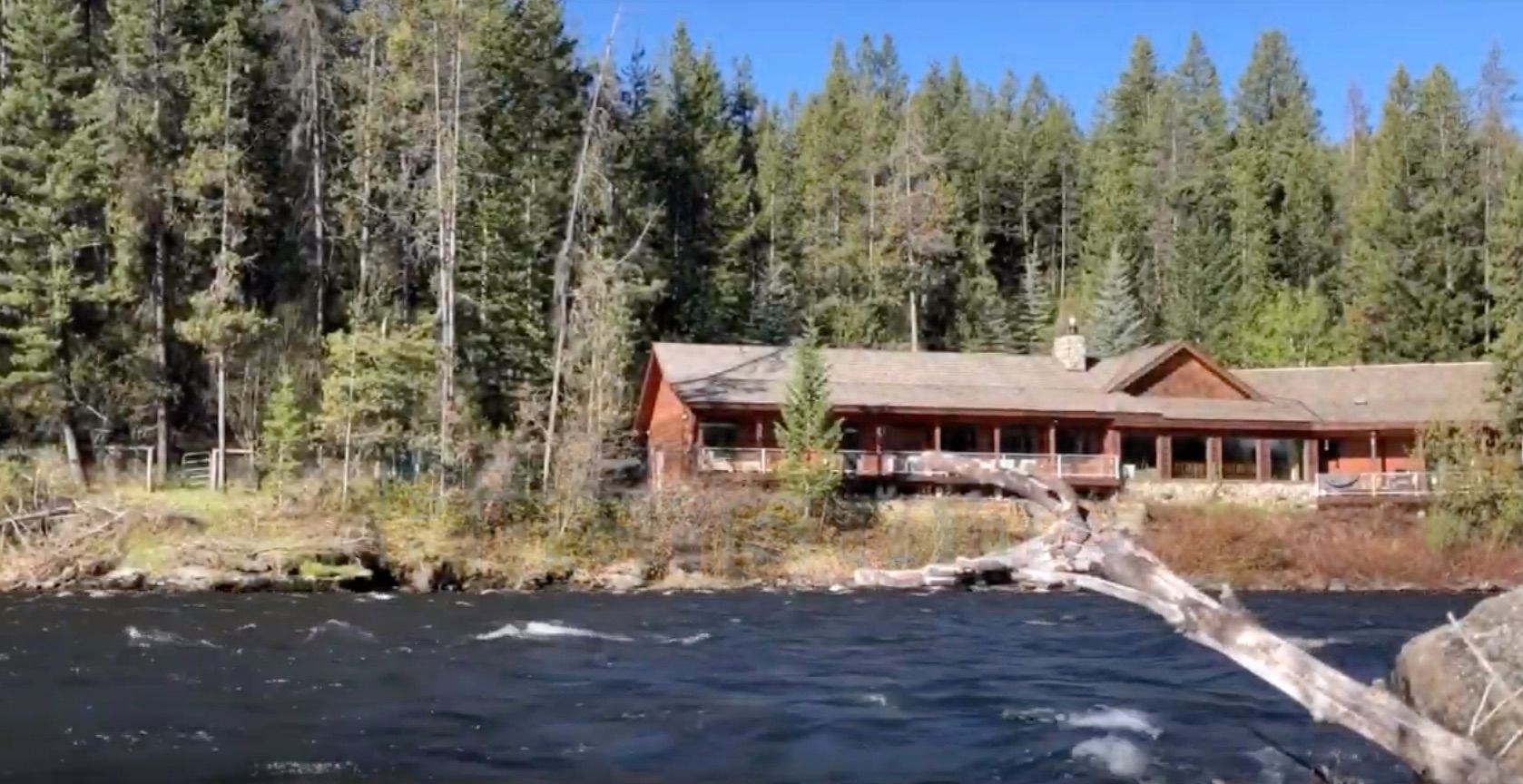
Shawn Vickers is one of those guys who was using mapping technology to manage wildlife and ranchland long before everybody started carrying a GPS around in their pocket.
Shawn understands landscapes at scale. He understands wildlife, habitat, mapping, and the technology we use to make better decisions about all three. And he’s been doing it long enough to remember when most of this technology was considered pretty damn cutting edge.
And he put this background to work when he created this video about Pitchstone Waters ranch....
What We've Been Reading




And that’s it - as always thank you..
If you haven’t already - please check out our views on biodiversity at https://pitchstonewaters.com