Restoring Biodiversity - 8/18/2026
This week we examine the ecological role of wild horses and native herbivores in managing wildfire fuels, explores why prevention must become a greater priority than suppression, and highlights fascinating stories on bees, bears, and the natural world.


This week's Restoring Biodiversity explores the growing connection between wildfire resilience and the ecological role of large herbivores.
Featured articles examine proposals to use federally managed wild horses to reduce wildfire fuels, the consequences of losing native grazers such as deer and wild horses from western landscapes, and the importance of shifting wildfire strategy from suppression to prevention.
The edition also highlights National Geographic features on helping bees cope with extreme heat and documenting the recent total solar eclipse, along with an Outside article examining the world's eight bear species through the perspective of a wildlife biologist.
Here is what we’ve been reading, watching and writing about over the past week…
Articles

Exigent Public Health Crisis from Wildfire Smoke — Immediate, Cost-Negative Remedy via Targeted Relocation of Excess Wild Horses under Existing Federal Authorities
A new executive briefing to Health and Human Services Secretary Robert F. Kennedy Jr., William E. Simpson II argues that toxic wildfire smoke has become a national public health emergency and proposes an unconventional solution: using excess federally managed wild horses to reduce wildfire fuels in remote forests.

When Native Grazers Disappear, The Land Burns: How the Collapse of Deer and Wild Horses Turned Small Fires into Megafires — and Why Livestock Alone Cannot Fix It
Siskiyou County's wildfire crisis raises a fundamental question: what happens when a landscape loses the large herbivores that once helped shape it?
Videos
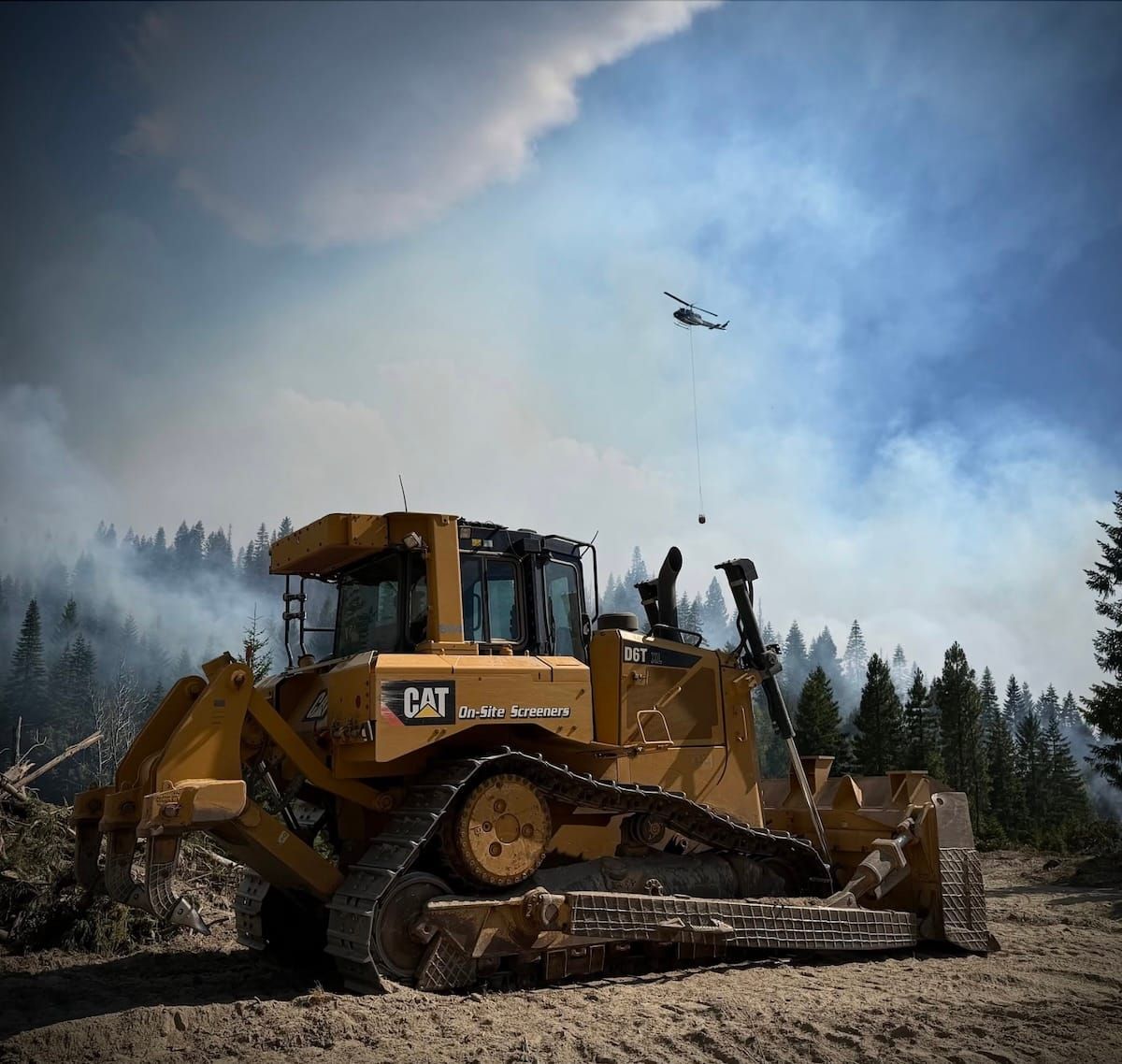
Initial Attack Failure: The East Evans Creek Fire and a Familiar Pattern
With wildfire, the conversation is shifting from suppression to prevention. This opinion piece argues that reducing fine fuels before ignition—rather than relying solely on firefighting after the fact—may be one of the most important challenges facing land managers in the American West.
What We've Been Reading






And that’s it - as always thank you..
If you haven’t already - please check out our views on biodiversity at https://pitchstonewaters.com