Restoring Biodiversity - 7/21/2026
Federal and state officials are dramatically expanding sterile-fly releases. Feral pigs are tearing up America. Opposing wild horse rewilding is recklessly negligent. And more..


Thank you for subscribing to the Pitchstone Waters weekly newsletter.
Here is what we’ve been reading, watching and writing about over the past week…
This week’s edition focuses on one urgent subject: New World screwworm.
At first glance, screwworm may appear to be primarily a livestock problem. It is not. The parasite can infest virtually any warm-blooded animal, placing cattle, horses, wildlife, pets, and even people at risk.
Its return also illustrates a larger truth about biodiversity and land stewardship: biological threats do not respect fences, property lines, political boundaries, or distinctions between domestic and wild animals.
The good news is that screwworm is not an unknown enemy. The United States eradicated it before using disciplined surveillance, rapid treatment, animal-movement controls, and one of the most ingenious forms of biological control ever developed—the release of sterile flies.
The challenge now is execution.
Pinned to the Top
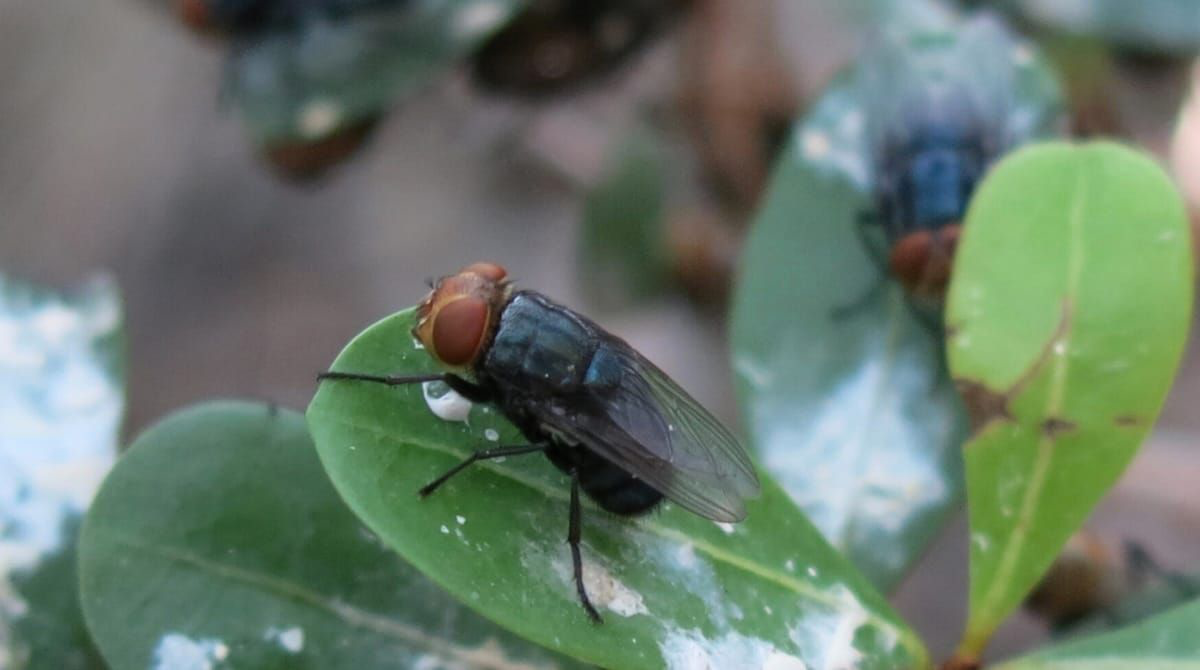
USDA Releases Nearly 400 Million Sterile Flies in Texas in Fight Against New World Screwworm
Federal and state officials are dramatically expanding sterile-fly releases in response to the return of New World screwworm in Texas.
The approach is remarkably simple in principle. Large numbers of male screwworm flies are raised, sterilized, and released into affected areas. When wild female flies mate with sterile males, they produce no offspring. Repeated releases gradually collapse the breeding population without introducing a chemical pesticide across the landscape.
Nearly 400 million sterile flies have reportedly now been released as officials attempt to contain the outbreak and prevent the parasite from becoming established.
This is an example of science working with biology rather than trying to overpower it. The method targets the pest’s reproductive cycle while posing no threat to livestock, wildlife, people, or beneficial insects.
But sterile flies alone will not solve the problem. Success also depends on ranchers, veterinarians, hunters, pet owners, and wildlife personnel inspecting animals, treating wounds, reporting suspicious larvae, and complying with movement restrictions.
Key Takeaway: Biological control can be both precise and powerful, but even the best technology requires widespread cooperation and rapid field-level action.
Articles

How Wild Beast Invasion is Tearing Up America - and Killing More People Than Sharks: 'I'd Rather Get Eaten by an Alligator'
Invasive species don't care about property lines, politics, or good intentions. Feral hogs reproduce faster than we can comfortably manage them, tear up native habitat, prey on wildlife, spread disease, and leave ranchers and farmers paying the bill. Stewardship sometimes means making difficult decisions, and this is one of them. If we want healthy forests, productive farms, and thriving native wildlife, we have to keep invasive populations in balance before they overwhelm the very landscapes we're trying to conserve.
Videos

The 2026 Ranger Road Fire Proves Livestock Grazing Alone Has Failed — And Opposing Wild Horse Rewilding in Unsuitable Lands Is Recklessly Negligent
The land doesn't care about our politics—it only responds to what actually works. If hundreds of thousands of acres are still burning on landscapes managed for livestock, then we owe it to ourselves to honestly examine every tool available, including the role wild horses might play where cattle simply aren't practical. Good stewardship isn't about defending old assumptions; it's about adapting when the evidence suggests there's a better way to care for the land, protect rural communities, and reduce the human cost of catastrophic wildfire.
Articles We've Read
 Mich Gough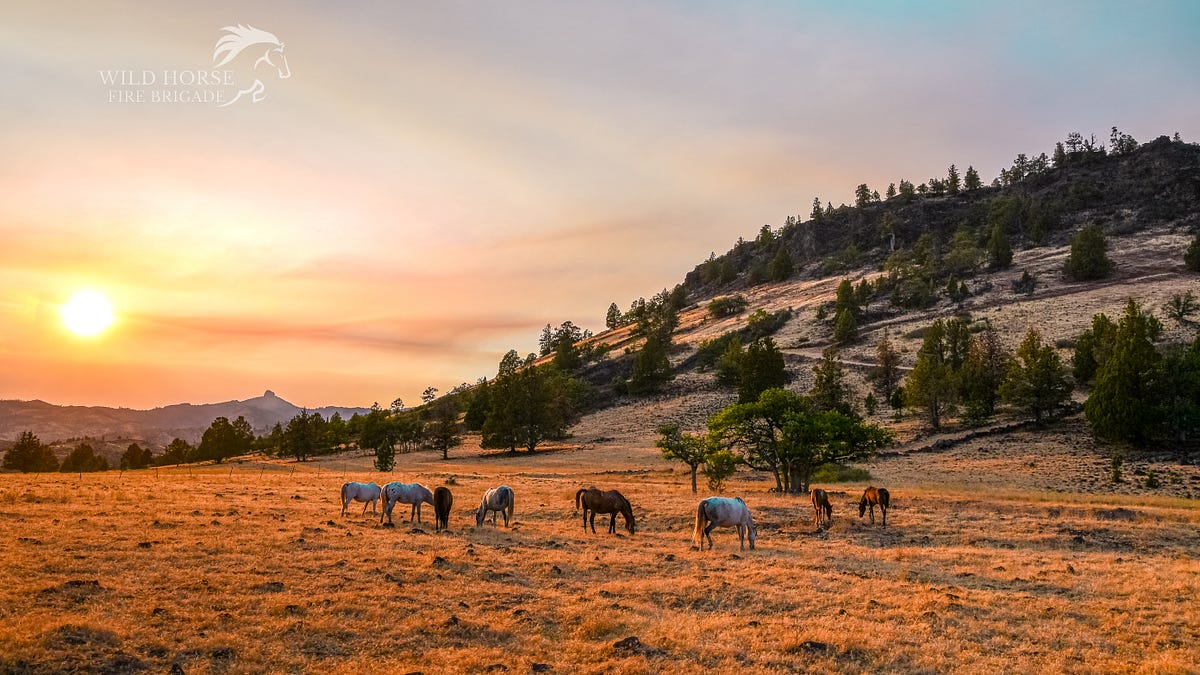
 Mich Gough



And that’s it - as always thank you..
If you haven’t already - please check out our views on biodiversity at https://pitchstonewaters.com