Restoring Biodiversity — 10/6/2026
Excerpt: Wild pollinators need more than hives. Bats need more than caves. Bison can reshape spring itself—and wildlife recovery depends on seeing the whole landscape.


Thank you for subscribing to the Pitchstone Waters weekly newsletter.
Several of this week’s stories begin with something easy to count: bee hives, bat roosts, bison or pronghorn. But conservation gets more interesting when we look beyond the animal itself and ask what allows it to thrive.
Food, water, movement, disturbance and habitat all matter—and they interact. We also have a fascinating detour into human history this week, with researchers putting a face to one of the earliest known members of our species.
Here is what we’ve been reading, watching and writing about over the past week…
Articles
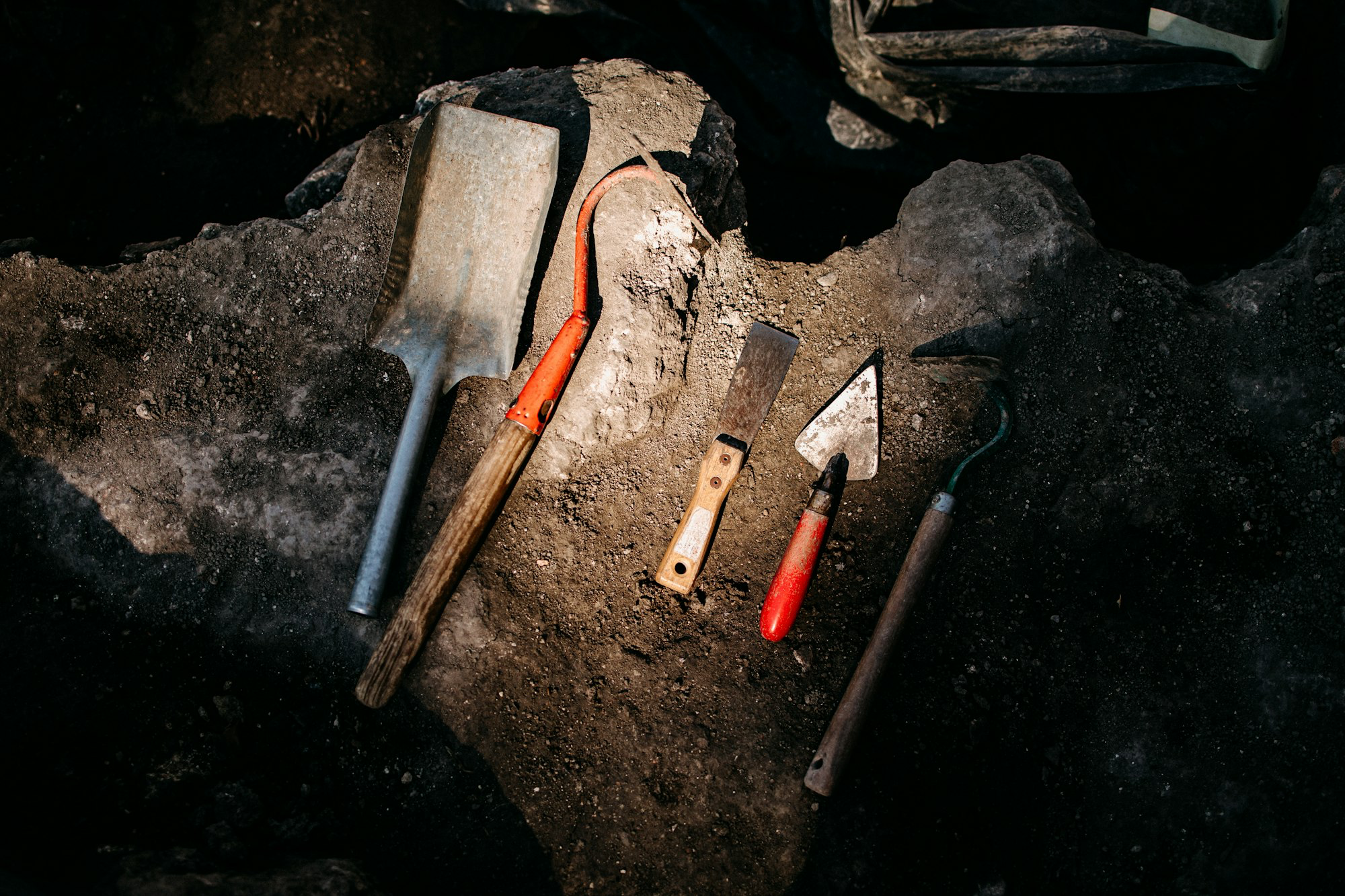
Researchers Reconstruct Face of Oldest Known Homo Sapiens
What did one of the earliest known members of our species actually look like?
Researchers have used a remarkable 315,000-year-old composite skull from Morocco to build a new digital facial approximation. The work combines fossil evidence, modern imaging and forensic reconstruction—but there is an important boundary between what the bones can tell us and what remains artistic interpretation.
The result offers a striking encounter with a human who lived hundreds of thousands of years ago.
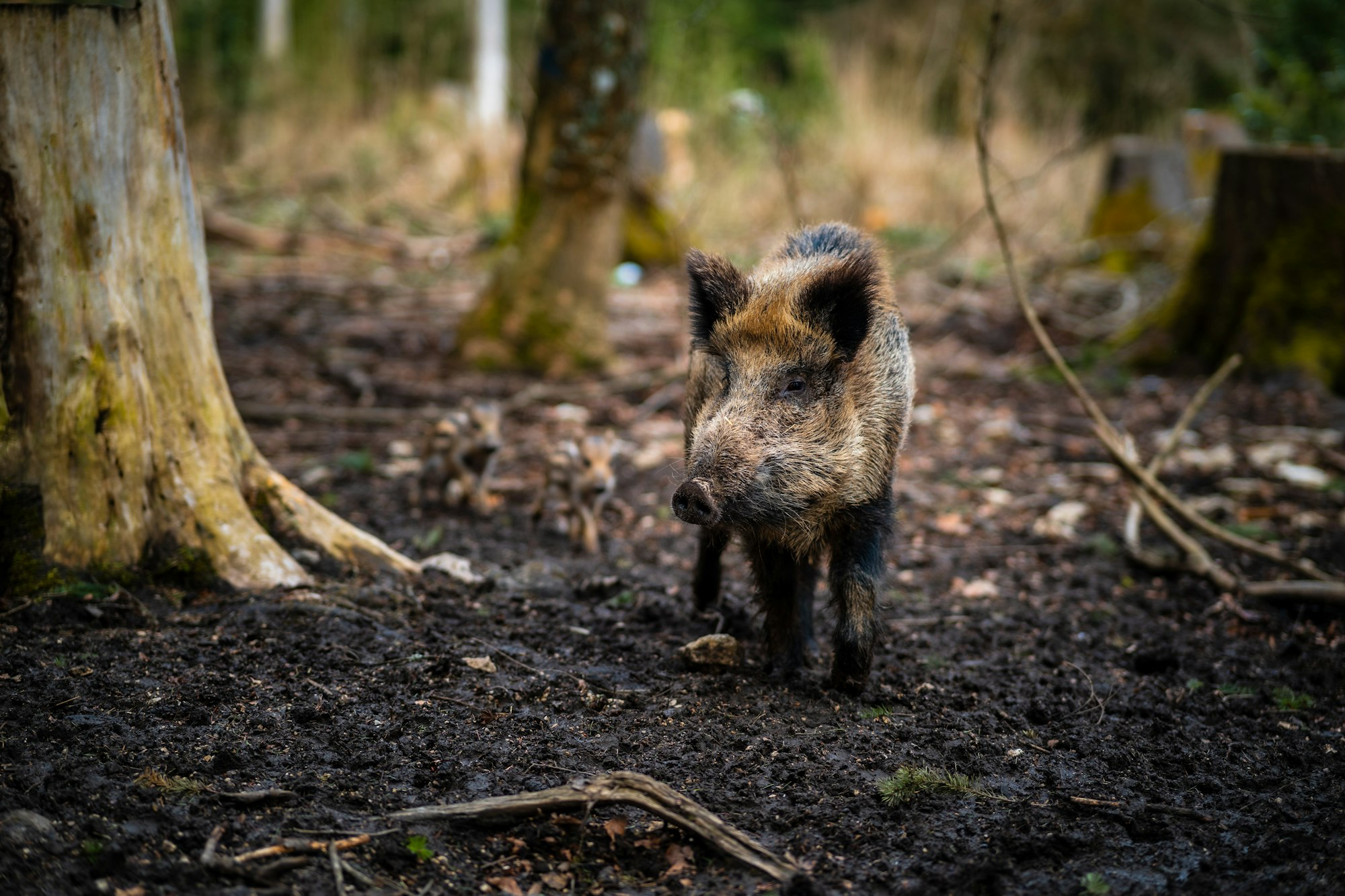
Can We Eat Our Way Out of the Feral Hog Problem?
The proposition is appealing: feral hogs damage crops, pastures, water and wildlife habitat. They also produce usable meat. Why not create enough economic value around the animals that the market helps control them?
Texas already allows some of that. The harder question is whether turning a destructive animal into a valuable commodity changes the incentives surrounding its removal.
There is an important distinction between making productive use of an animal that must be removed and creating a system that depends upon having animals left to remove.

The Pronghorn Lesson: Recovery Requires Room to Move
When a wildlife population collapses, there is enormous pressure to identify the cause.
The recovery of pronghorn in Far West Texas tells a more complicated—and more useful—story. Drought, forage, parasites, predators, fencing and the physical condition of individual animals interacted in ways that made isolating one culprit misleading.
The eventual response was just as multifaceted. What happened next offers an unusually good case study in what wildlife recovery looks like when managers begin treating the landscape as a system rather than a collection of separate problems.
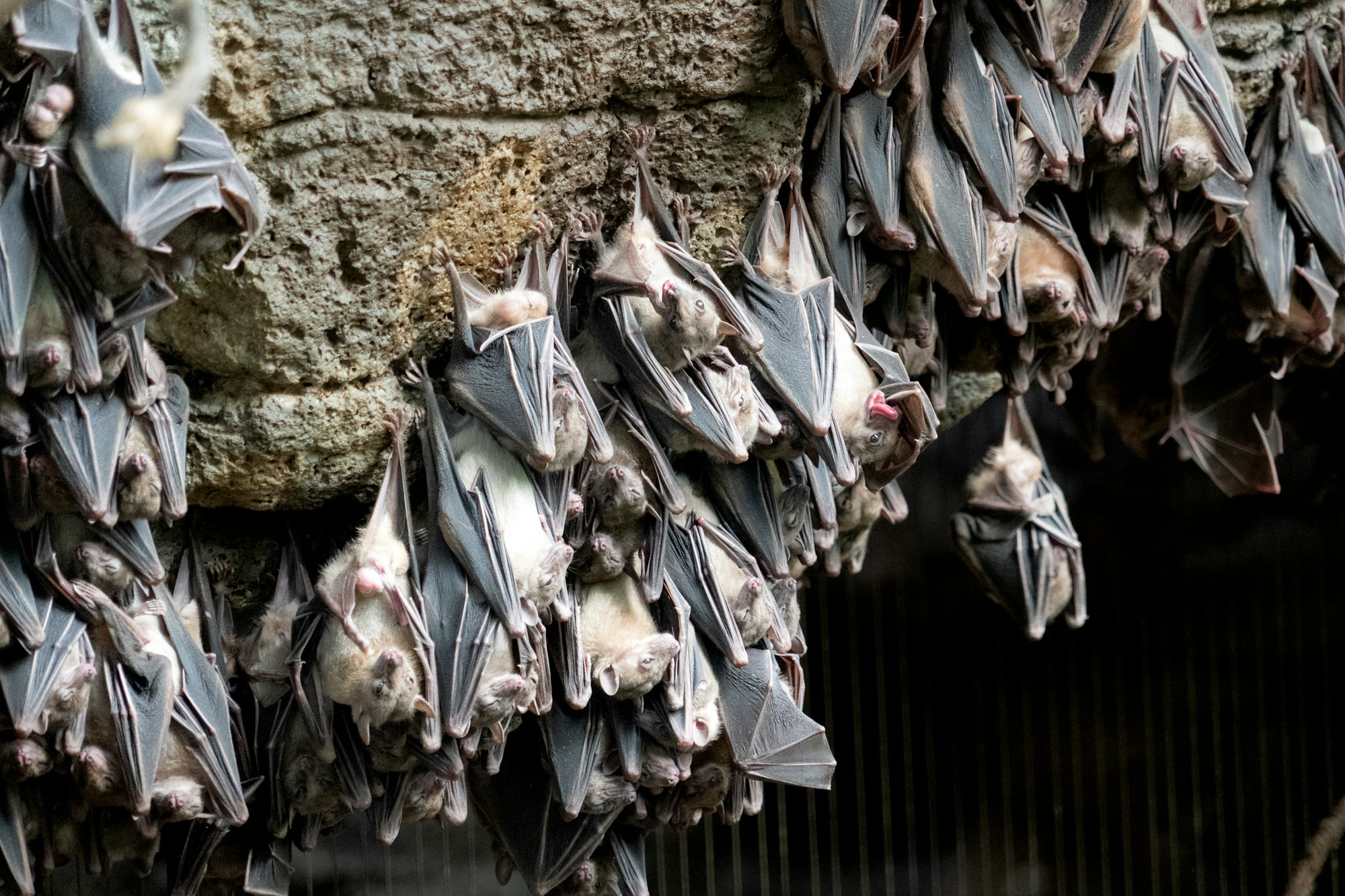
A Bat Colony Is Only as Healthy as the Country Around It
At sunset, hundreds of thousands of bats can pour from a single cave. Protecting that roost seems like an obvious conservation priority.
But the cave is only half the habitat.
Once airborne, those bats depend on a much larger landscape for insects, water and safe passage—and some travel across international borders. A perfectly protected cave can therefore sit at the center of a deteriorating habitat.
The evening flight is spectacular. The ecological network required to sustain it is mostly invisible.
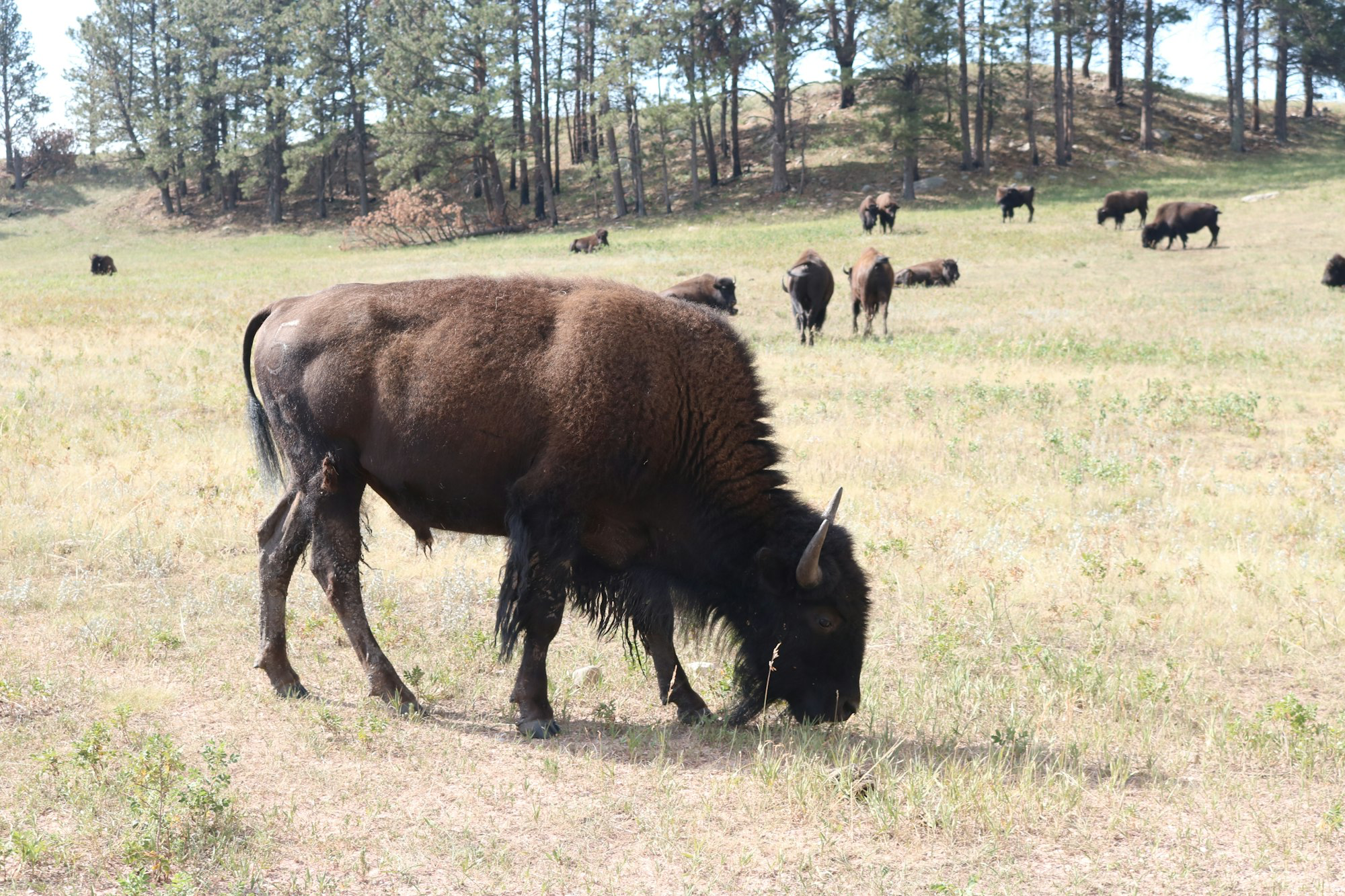
Bison Do Not Simply Follow Spring. They Help Create It.
Across the West, migrating elk, mule deer and pronghorn often follow the “green wave” of emerging vegetation uphill as spring advances.
Yellowstone bison do something more unusual.
Their movement and repeated grazing can actually influence that wave, keeping some grasslands in an actively growing state rather than simply following fresh forage wherever it appears. It is a fascinating example of the difference between an animal merely occupying habitat and actively shaping the ecological processes around it.
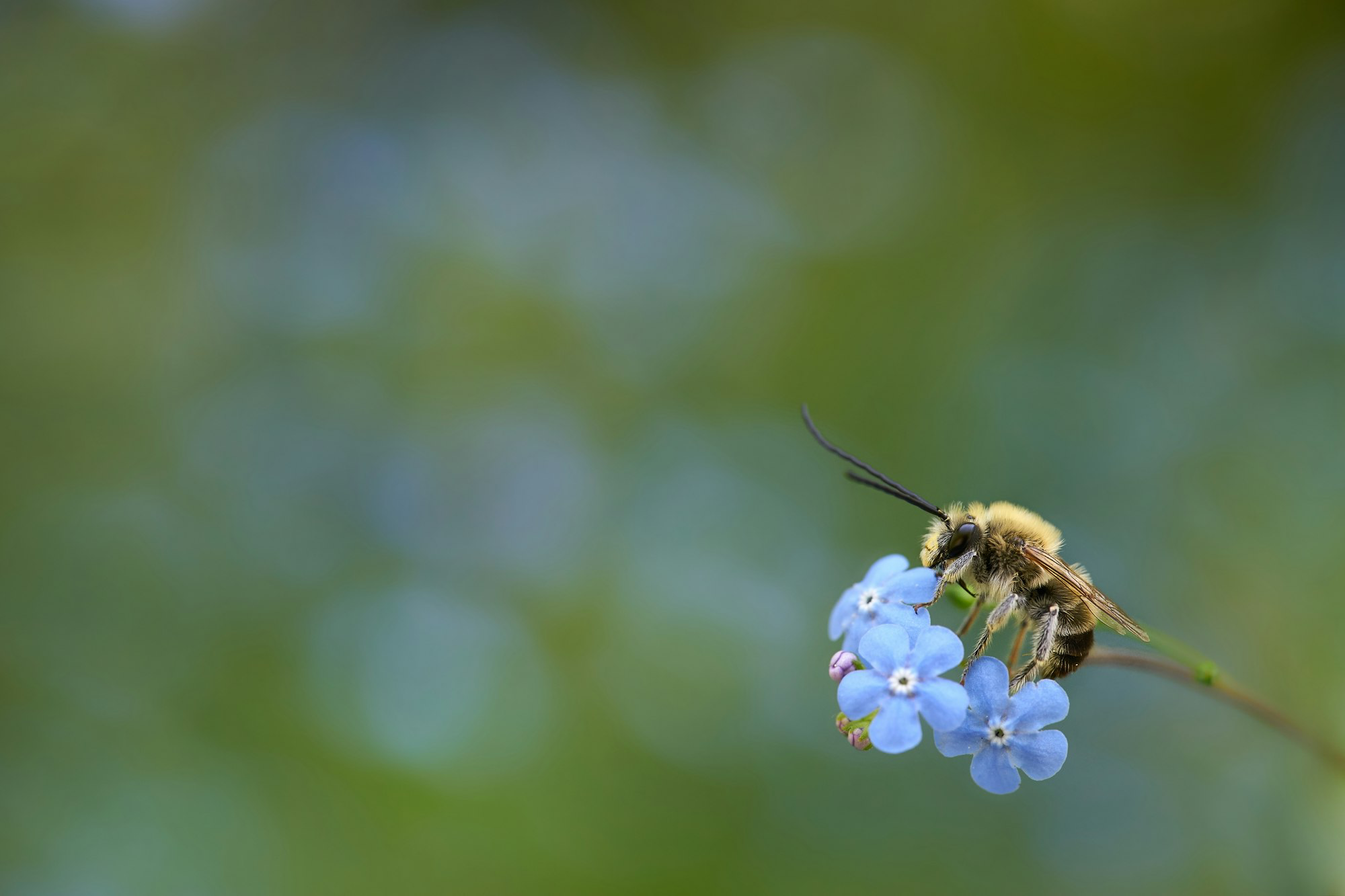
A Hive Count Is Not a Measure of Pollinator Health
“Save the bees” sounds straightforward until we ask which bees.
Managed European honeybees can be moved, divided, re-queened and replaced. North America’s thousands of native bee species operate very differently—and many depend on particular plants, nesting conditions and surprisingly small pieces of habitat.
That makes the familiar number of managed honeybee colonies a poor proxy for the health of pollinators generally. The more useful conservation question starts not with how many hives we have, but with whether the landscape still provides what its native pollinators need.
Connecting the Dots
The bat cave, the bee hive and the pronghorn herd all illustrate the same management trap: counting the visible thing can distract us from the system supporting it.
Healthy wildlife populations ultimately depend on functioning habitat—room to move, adequate food and water, suitable disturbance and the ability of plants and animals to respond as conditions change.
Bison add one more wrinkle: animals aren't merely products of healthy landscapes. Sometimes they help create them.
And that’s it—as always, thank you.
If you haven’t already, please explore more of our views on biodiversity and practical land stewardship at Pitchstone Waters.
