This Is The World’s Biggest Animal Migration — And Few Outsiders Have Seen It
Six million antelope storm through a pocket of Africa that’s nearly impossible to get to, but the Journal caught them on camera

This story is a reminder of what the world used to look like before we fenced it, fractured it, and overmanaged it into submission. You don’t get six million animals moving in harmony by accident—you get it through vast, unbroken landscapes and a kind of restraint modern society seems to have forgotten. The lesson isn’t admiration alone—it’s that once these systems are gone, no amount of policy or money will ever truly bring them back.
NOTE: this article was originally published to Wall Street Journal's Apple News channel on September 6, 2025. It was written by By Michael M. Phillips | Photographs and Videos by Brent Stirton/Getty Images for WSJ | Design and Illustrations by Annie Ng.
GADIANG, South Sudan—Deep in the hinterlands of this East African country is one of the greatest natural events you’ll never see.
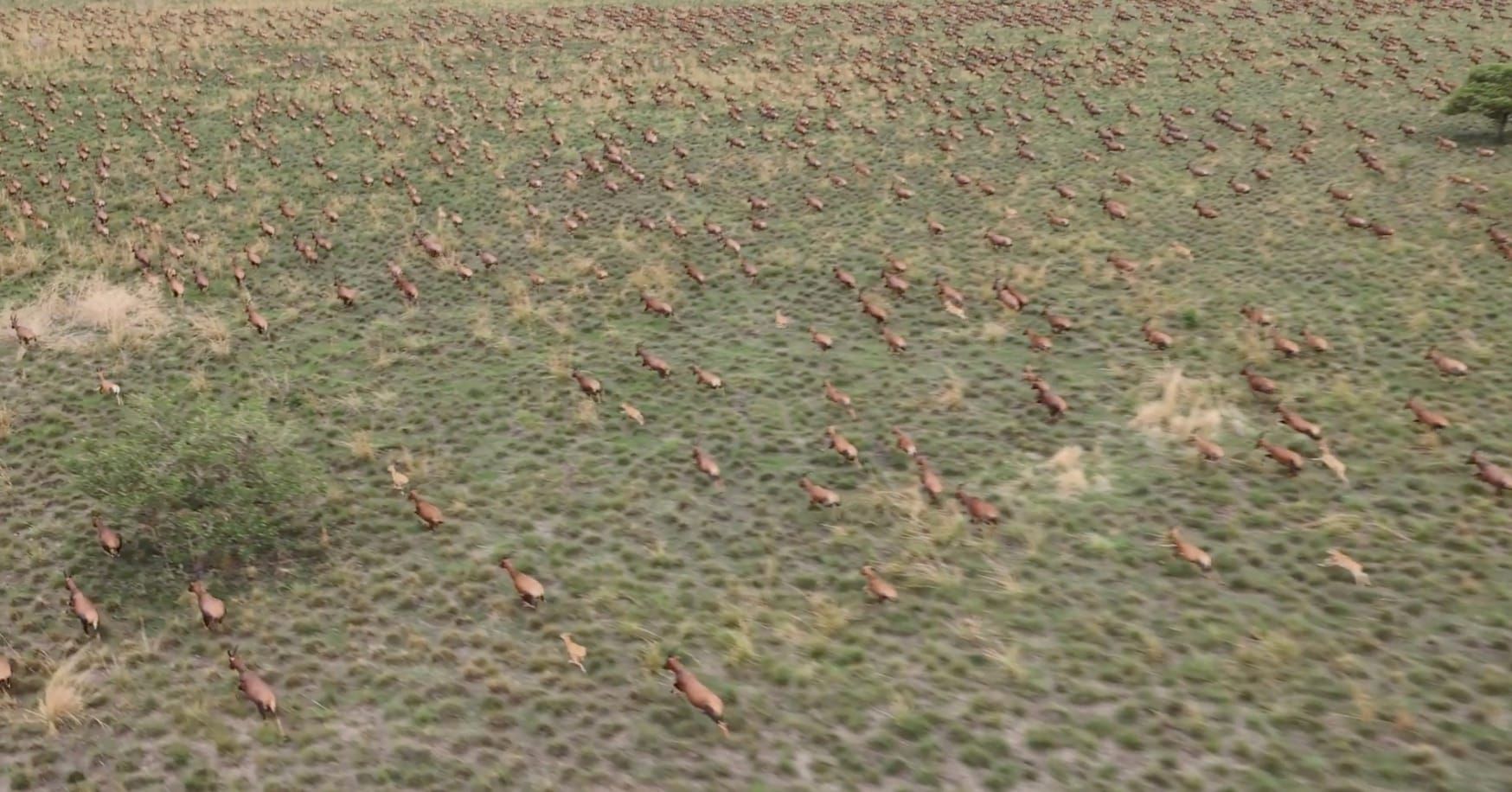
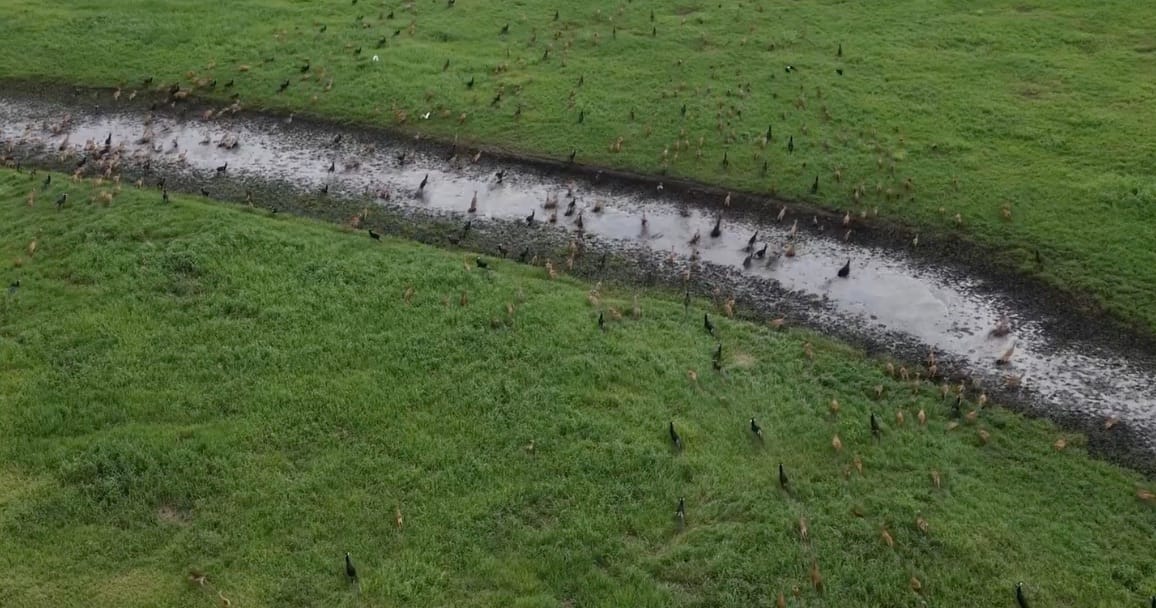
Six million antelope swarm across an area the size of Illinois, a mass movement of mammals triple the size of the Serengeti wildebeest trek, the go-to migration for TV nature shows. The animals storm through sparse forests and open savannah, trickles of antelope merging to become streams, streams swelling and spreading until the landscape is filled with thundering rivers of white-eared kob, tiang, Mongalla gazelle and Bohor reedbuck. A single herd can number 100,000 antelope, or more.
“This is the greatest migration of large fauna in the world, including the oceans,” says renowned naturalist Mike Fay, who is conducting an antelope head-count in South Sudan. “The entire planet should be amazed that this exists.”
Yet the Great Nile Migration remains virtually unknown to outsiders and preposterously difficult to witness. Would-be visitors have to travel to a country that’s been engulfed in on-again-off-again war for decades, and is on again. Then there’s the terrain. The animals move through a landscape with virtually no roads, not even rough safari tracks, and are easily viewable only from helicopters or slow-flying ultralight aircraft.
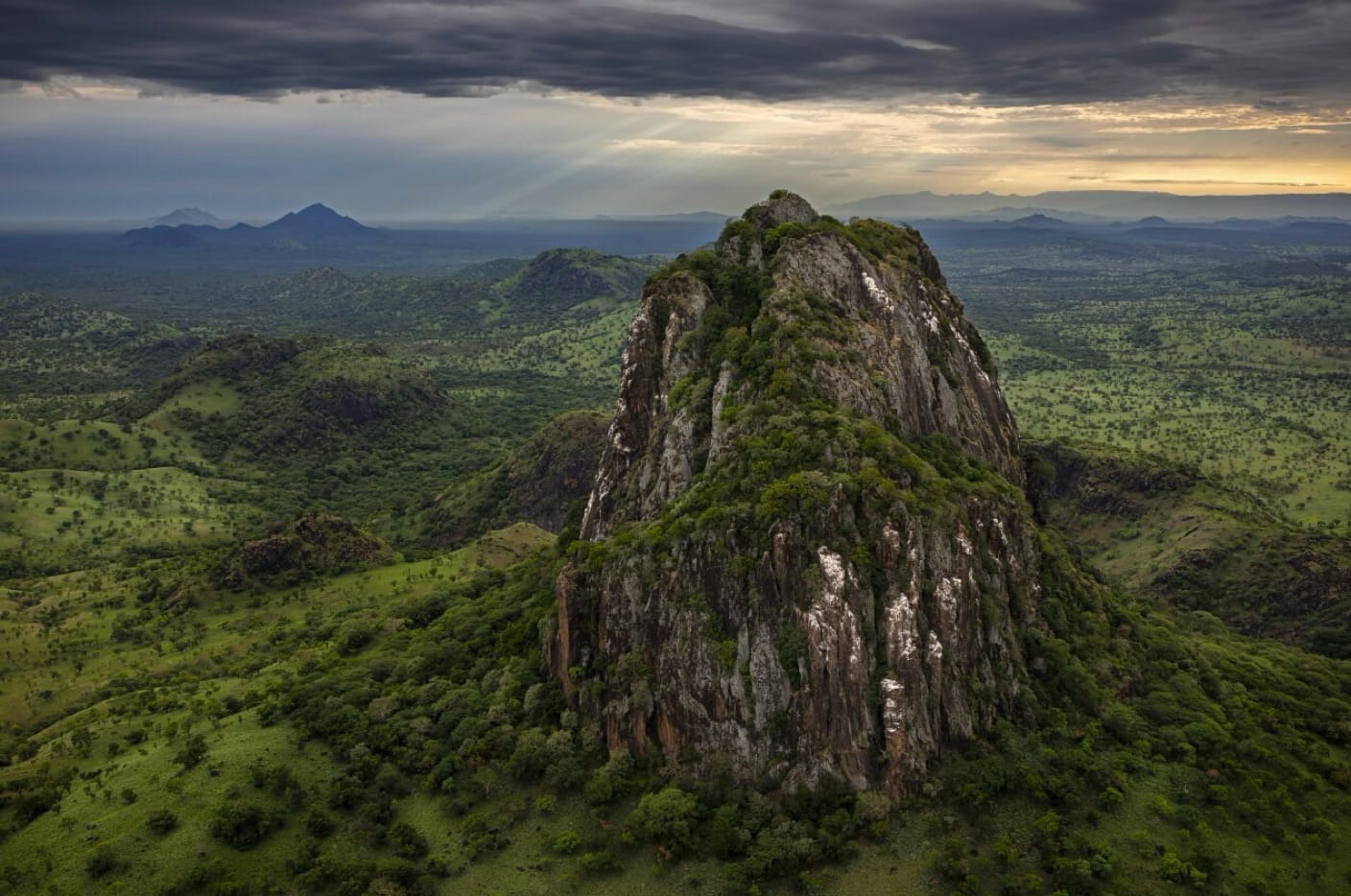
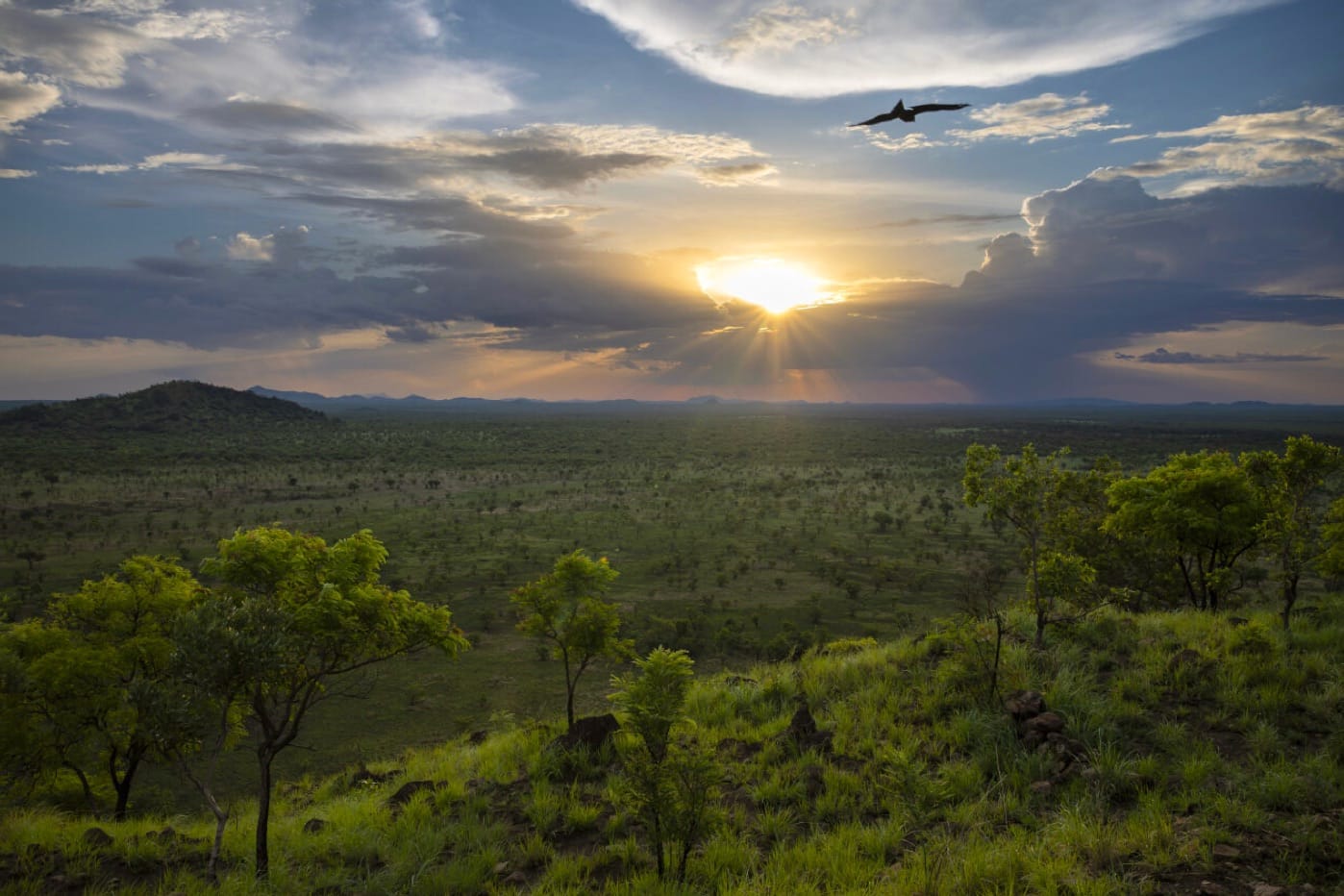
African Parks, the Johannesburg-based conservation group that manages natural areas on behalf of South Sudan’s government, allowed The Wall Street Journal access to the 58,000-square-mile wilderness on the eastern bank of the White Nile.
It’s a migration as old as time, but, conservationists fear, one that might not last much longer.
Although scientists and, of course, locals have known about the migration for years, only recently have researchers understood its staggering dimensions. In 2023, African Parks conducted an aerial survey revealing the movement included some 5.1 million white-eared kob, which generally move in a U shape in and around Boma National Park, sometimes crossing into Ethiopia’s Gambella National Park.
The animals stop to eat and breed, but they’re on the move much of the year. The estimated total migration comes to nearly six million animals. By contrast, roughly two million blue wildebeest and common zebra traverse the Serengeti between Tanzania and Kenya.
Using antelope tracking collars, researchers have shown the migration routes to be complex, partly based on flooding and human activity. Many white-eared kob spend the dry season (around November to March) in the northern part of their range, then head south for the wet season (April to October).
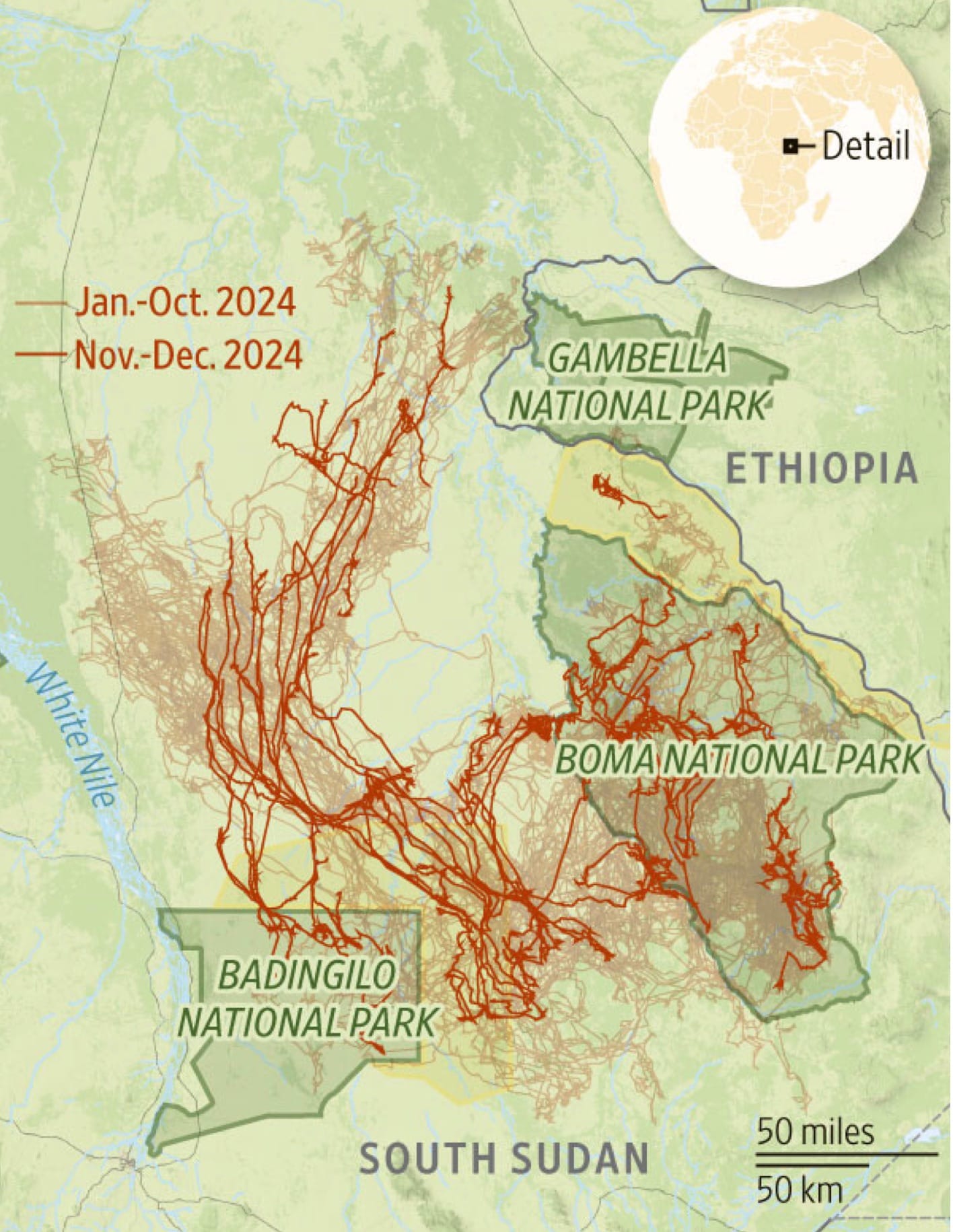
African Parks teams, armed with airplane-mounted cameras, are conducting a new survey in South Sudan to double-check their findings. The teams fly designated patterns across the landscape, snapping some 320,000 aerial photographs to be analyzed by hand and with artificial intelligence. AI isn’t great at identifying antelope species, but it can eliminate photos in which no animals appear, speeding the work of human counters.
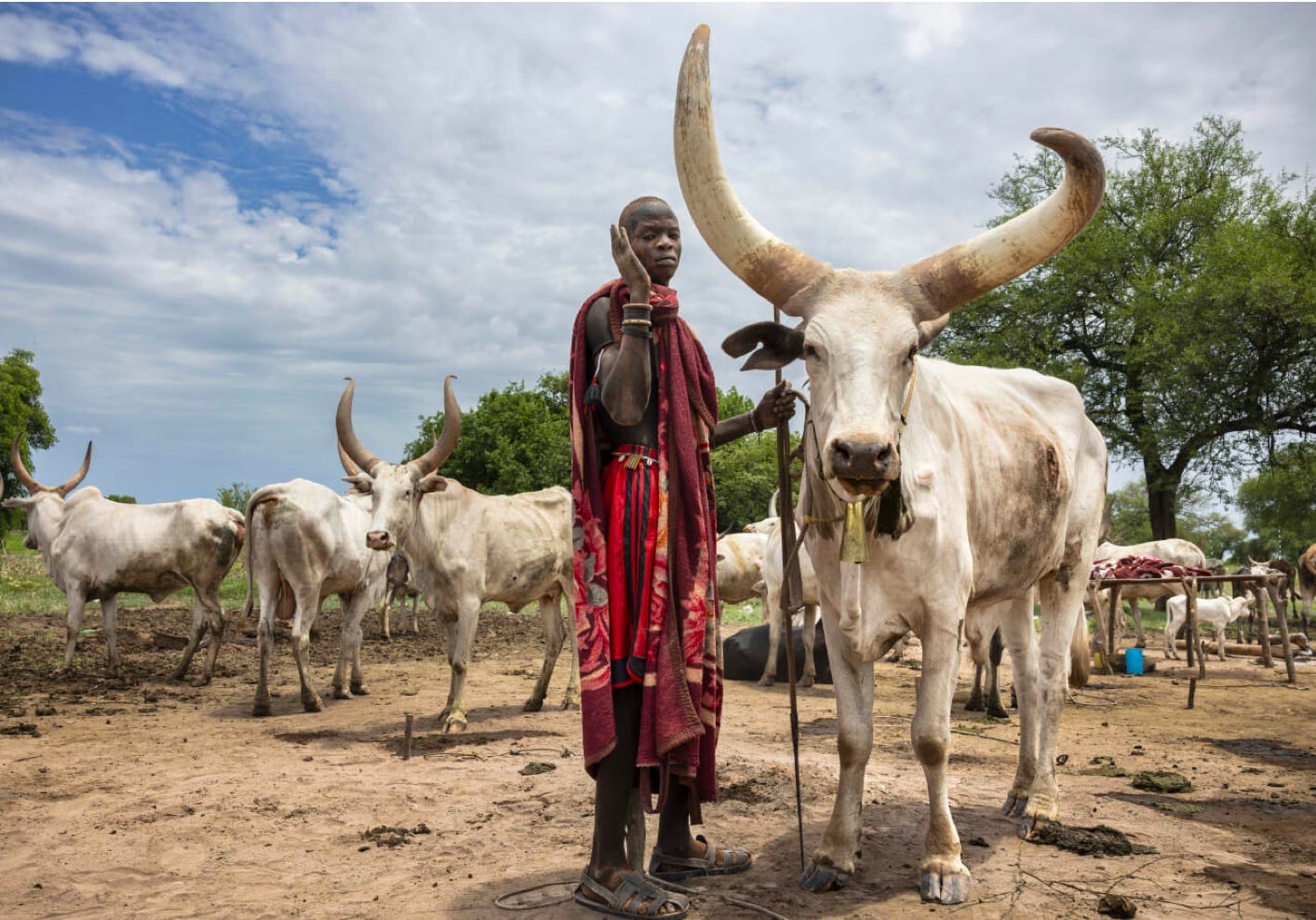
African Parks and the South Sudanese government would like to develop ecotourism around the migration, but have so far been frustrated. African Parks built a small tented safari camp, but the first clients to book canceled after fighting broke out earlier this year between political factions in the north of the country.
South Sudanese rebels fought for decades to break away from Sudan. The South, mostly animist and Christian, finally won independence from the largely Muslim North in 2011, but quickly descended into civil war along ethnic lines. The war ended in 2020, but this year’s fighting suggests stability remains a distant hope.
Scientists aren’t sure why the herds move as they do. They assume the antelope are driven by the quest for grass, water and breeding grounds.
But researchers are confident the animals try to avoid people, and that has helped them survive.
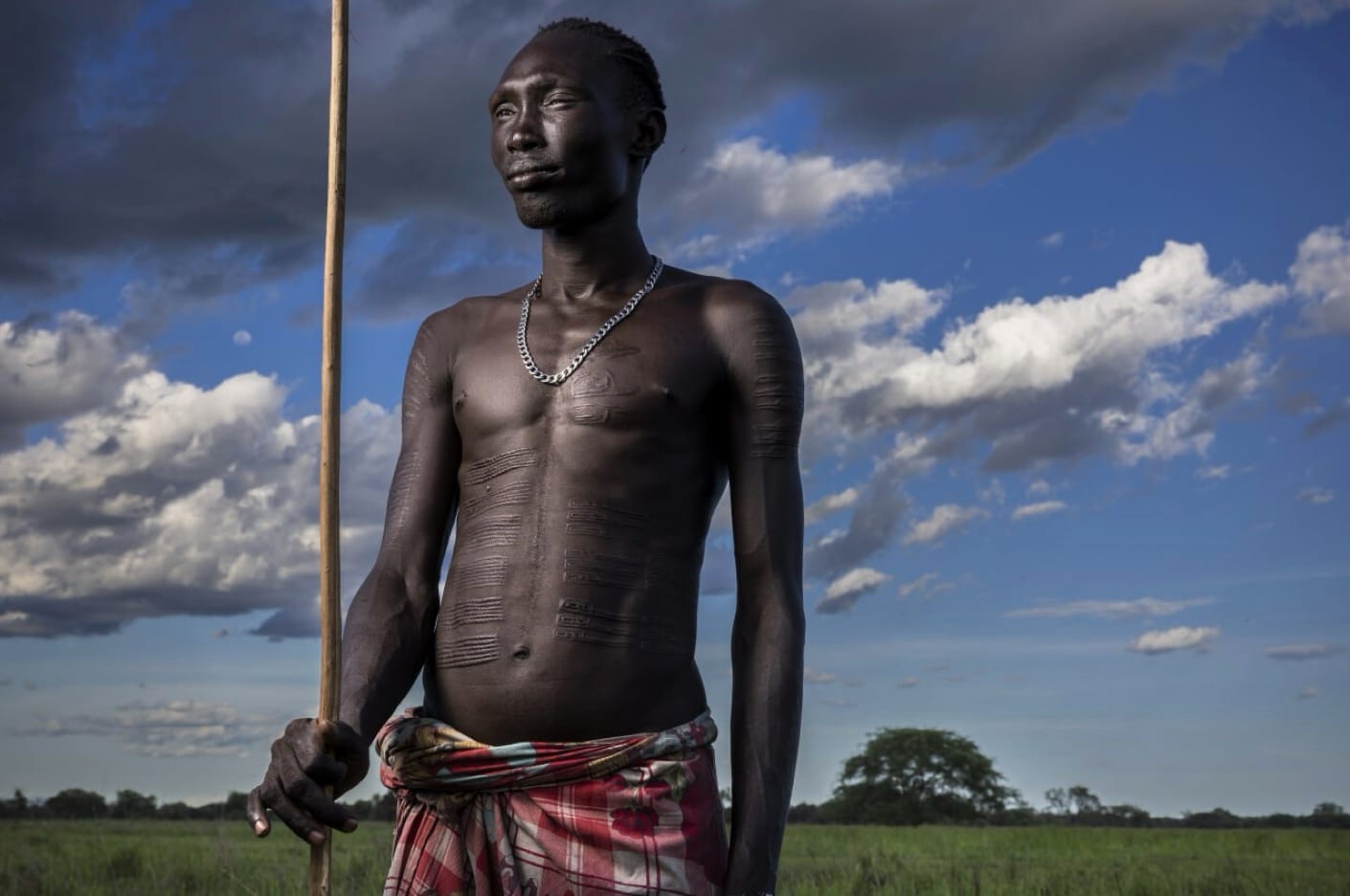
Among the region’s ethnic groups, the heavily armed Murle people in and around Boma National Park are known for stealing cattle and children from the Dinka and Anuak. Fighting is a way of life for Murle men, who divide themselves into age sets. Younger men gain status by taking on the men above them, with sticks and AK-47s, sometimes with lethal effect. Their torsos sometimes bear decorative scars resembling assault rifles.
“We don’t know why the Murle carry out criminal activities,” says Oman Obel Cham, 80, an Anuak elder who had two grandchildren killed and two others abducted by Murle raiders.
The Murle are so intimidating that other ethnic groups keep their distance to the extent possible. That has created a sort of no-man’s-land both in the parks and the places in between.
“You’ve got this massive space that has allowed the migration to flourish,” says John Vogel, manager of Badingilo park.
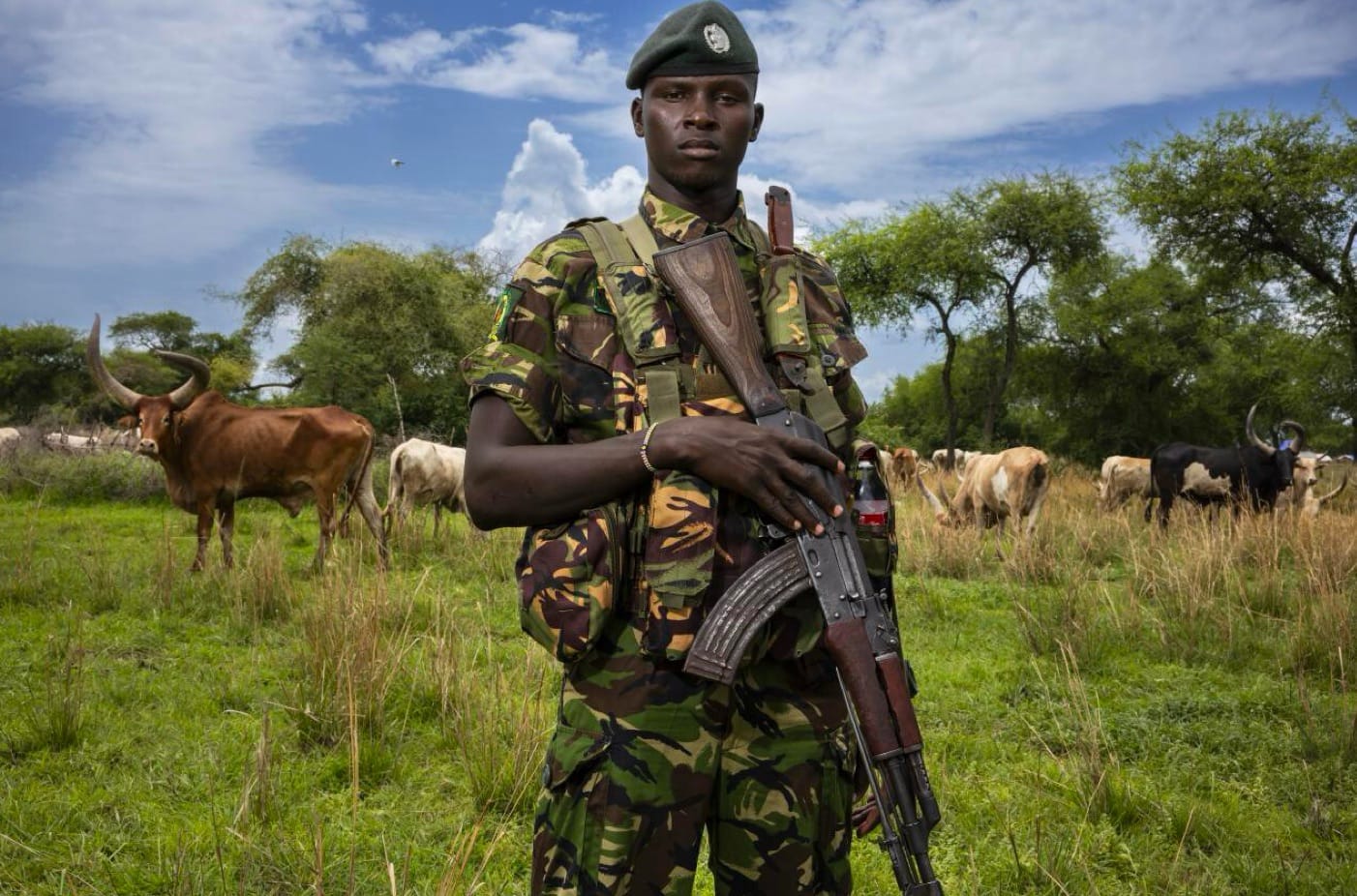
African Parks, which has a 10-year park-management agreement, works hand-in-hand with government wildlife rangers. But the conservationists go light on law enforcement, believing instead their best chance of protecting the migration is by convincing villagers to hunt what they need, not what they can kill.
“At the end of the day it’s the people’s animals,” says Megan Claase, conservation manager for African Parks. “If you manage it, you could eat forever.”
With war, however, have come guns, and the temptation to poach is strong. Increasingly, hunters armed with military-grade weapons have been mowing down entire herds of antelope and just taking what they can carry to market on motorcycles.
“They don’t know that shooting like that the animals will be gone,” says Simon Kulugit Amor, a Murle who serves as liaison between his kinsmen and park managers.
In a single month this year, African Parks counted 14,000 antelope carcasses passing through the town of Bor, where each animal sells for about $50, a vast amount to a poor rural family. Around Boma National Park, trucks from Ethiopia bring soap, vegetable oil, clothes and other goods. Young Anuak men, who hunt with dogs, make kob jerky to swap for such necessities.
Officials warn that even huge herds can disappear quickly if hunting isn’t managed. Forty years ago, they point out, Boma National Park was home to 93,000 zebra. Today there are few, perhaps none.
South Sudan’s main export is oil, and the government is encouraging further development in a bloc that includes parts of Badingilo National Park. Drilling requires roads, another threat to the antelope.
Animals can cross roads, says Claase, the conservation manager. But roads open the way for commercial hunters. And roadside villages pop up that can keep the antelope from completing their appointed rounds.
In 1948, Denis Zaphiro, a major in the colonial Sudan Defense Force, witnessed the migration as far south as the Loelli plains, near the Kenyan border. In notes published in the Sudan Wild Life and Sport journal, he described the herds as “one of the strangest and most awe inspiring spectacles in Africa.”
Zaphiro, who later served as Ernest Hemingway’s hunting guide, tallied 3,000 tiang crowding a single airstrip. He gave up counting a larger herd out of “sheer fatigue.”
“The migration has proved itself too vast a thing to be comprehended clearly and as a whole by a single, casual observer,” Zaphiro wrote.
The migration, however, no longer reaches Loelli. Says Claase: “It’s already starting to degrade.”
Still, like Zaphiro 75 years ago, Claase struggles for superlatives when describing the first time she saw the migrating herds from a two-seat ultralight aircraft, aptly named a Savannah.
“It was just crazy,” she says. “It just doesn’t stop. It’s just such huge numbers. It’s actually hard to conceptualize because you’re just flying over and over and over it, and it just keeps going. And it’s hard to realize that each of those things is an animal. It’s just mind-blowing.”