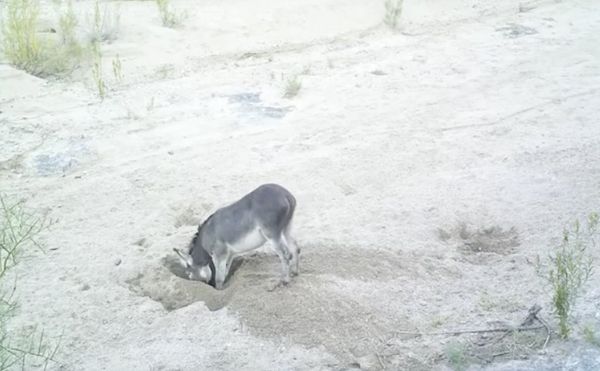
"Invasion Biology" The Hard Truth About the West’s Wild Horse Problem Horses belong in the Desert Southwest where they and their ancestors co-evolved with wildlife and plants over millions of years. With that said, though, we have a problem. Removing large nomadic grazers as well as most prey and most predators combined with the sincere but misguided prohibition of herd
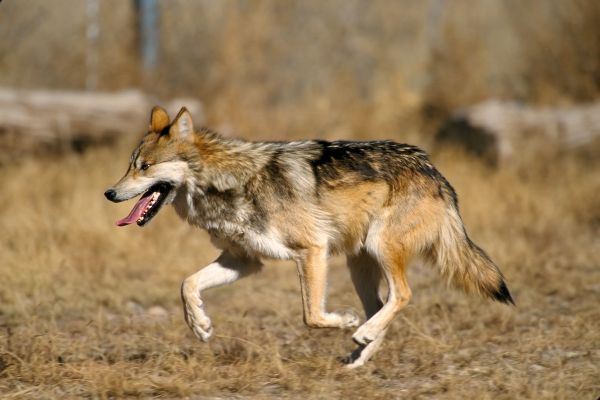
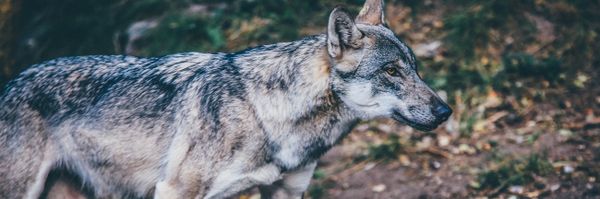
"Invasion Biology" Mexican Grey Wolves Reintroduced For almost 20 years, controversy has followed the Mexican Grey wolves as they’ve struggled to survive their reintroduction in Eastern Arizona and Western New Mexico.
"Invasion Biology" Soil Power! The Dirty Way to a Green Planet “People reap more benefit from nature when they give up trying to vanquish it and instead see it clearly, as a demanding but indispensable ally. Because of carbon’s climate change connection, we’ve been conditioned to think of it as the enemy, when in fact it’s as vital
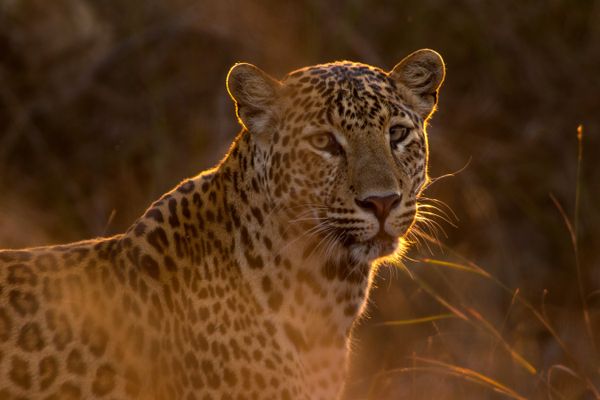
"Invasion Biology" Jaguars Return to Southern Arizona In Southern Arizona, the top predator is the mountain lion, but over the last 15 years, solitary male jaguars, typically one at any given time, have migrated from Northern Mexico into Southern Arizona and New Mexico. There is no reason this could not happen in far-West Texas.
"Invasion Biology" Arizona's Mexican Wolf Restoration Project See what Arizona Game and Fish and its federal, tribal and private partners are doing to recover the endangered Mexican wolf.
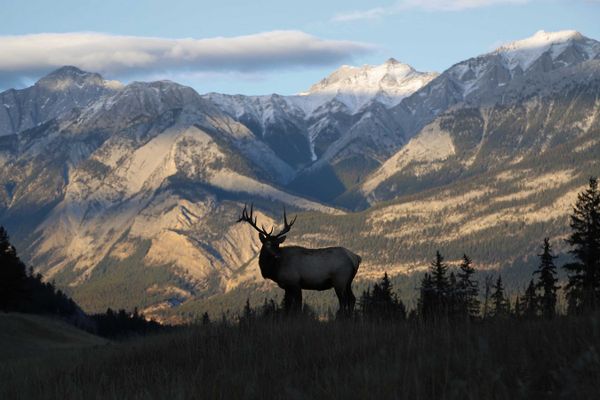
"Invasion Biology" Shy Elk and Bold Birds Become Partners in the Wilderness Complex relationships between species such as birds and grazers are common, but often unrecognized by over-simplified wildlife management theories. As a result, wildlife managers routinely attack species whose interdependence we do not understand. For example, in Texas, tax policy rewards landowners who attempt to eradicate brown-headed cowbirds, a
"Invasion Biology" Wild Burros Providing Water for Wildlife In far-West Texas, a coalition of government agencies, agricultural universities and conservation organizations has decided that wild burros on public lands should be eradicated. The coalition based its decision on the belief that what the burros are doing in the video above harms wildlife – especially Desert Bighon Sheep and
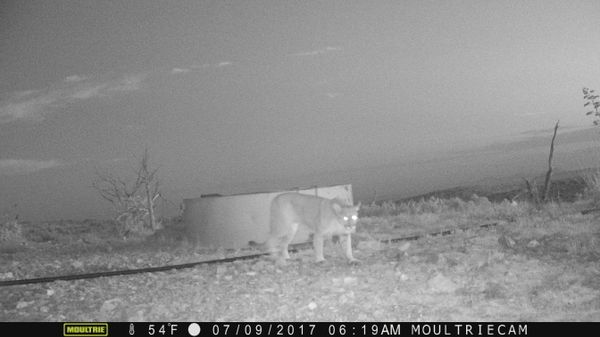
"Invasion Biology" Mountain Lions of Far-West Texas Much of what we used to ‘know’ about mountain lions turns out to be wrong, starting with the belief they are a threat to livestock or humans. Lions – and all other predators – are necessary to the health of wildlife and habitat. Note: This amazing video was produced by Yeti in
"Invasion Biology" Book Review: ‘Inheritors of the Earth’ by Chris D. Thomas Here is better way of thinking about so-called invasive species. Ask yourself: How many invasive species have ever been eliminated? How much damage have we done to native plants, animals and our finances trying unsuccessfully to eliminate invasive species? What if, instead of “always trying to defend the losers,
"Invasion Biology" Wolves' Return to Oregon Brings Conflict and Opportunity Wolves help wildlife and habitat but they also – historically with good cause – terrify many people. Mexican Wolves, the native wolf of far-West Texas, is a small and comparatively harmless relative of the larger northern timber wolves which are the subject of this article. The important distinction between sub-species
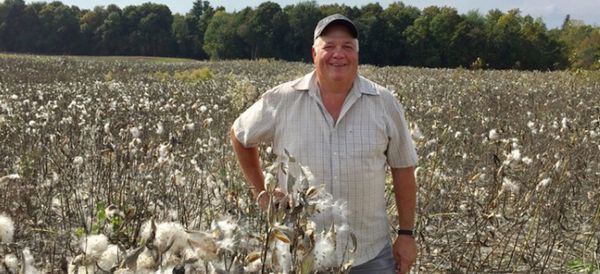
"Invasion Biology" This Winter’s Hot Fashion: Parkas Stuffed With Vermont Weeds Long attacked with poisons as a noxious invasive, milkweed turns out to be useful. In addition to its value as an organic insulator in clothes, milkweed is essential to the embattled Monarch butterfly and other wild animals. NOTE: This post initially appeared on WSJ.comm on September 27, 2017 New
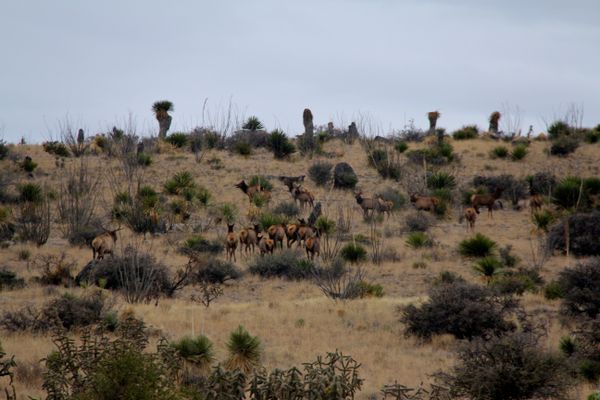
"Invasion Biology" Texas Elk and the North American Wildlife Conservation Model For 150-years American conservationists have followed the the North American Wildlife Conservation Model. It has been beneficial for waterfowl and iconic big game species across the continent with the exception of elk in far-West Texas. Here on state-managed lands Texas Parks and Wildlife Department (TPWD) bighorn sheep
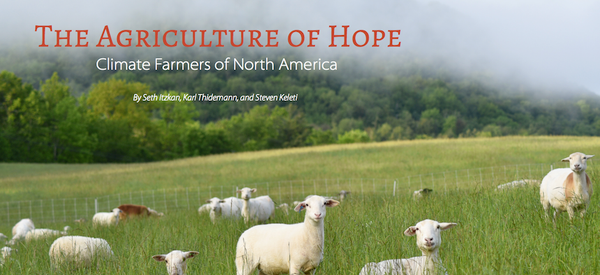
"Invasion Biology" The Agriculture Of Hope: Climate Farmers Of North America We can debate whether human impact contributes to climate change, but we cannot deny that human agricultural practices harm range and farm lands. These practices can be changed in ways that will restore the land, its profitability and conceivably, help the climate as well. NOTE: This post initially appeared on
"Invasion Biology" How and Why Holistic Planned Grazing Can Restore Habitat and Ranch Income This paper, authored by Texas A&M range scientist Richard Teague and colleague Matt Barnes, discusses what has worked best for planned graziers across the world, and why conventional range studies have been unable to analyze their results. The paper was published in the African Journal of Range &
"Invasion Biology" Holistic Planned Grazing on Rangelands: Why the Gap Between Researcher Beliefs and Rancher Experience? In this paper published in the Journal of Environmental Management, Texas A&M range scientists and their colleagues discuss why—70 years after the development of holistic planned grazing, and notwithstanding the positive experience reported by so many producers who use it—academicians and researchers remain closed to its
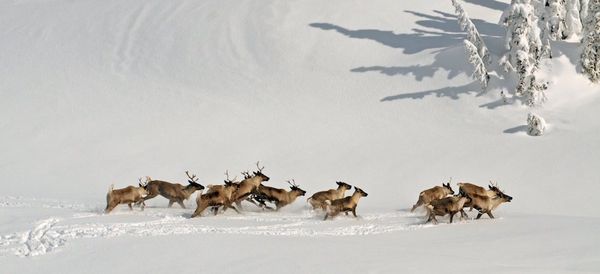
"Invasion Biology" Hunting Moose in Canada to Save Caribou From Wolves Wildlife interactions are often counterintuitive. When we oversimplify these unimaginably complex systems we do things that inadvertently damage wildlife and its habitat. NOTE: This post initially appeared on NYTimes.com on August 30, 2017 You like caribou. You like wolves. How do you preserve one without killing the other? Research
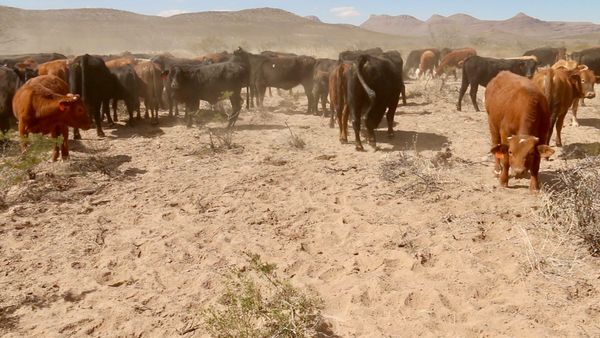
"Invasion Biology" Planned Grazing and Deer “Properly grazed cattle can improve deer health. Cattle herds can replace the big nomadic grazers with which animals and plants evolved. Plants and animals are symbiotic: Plants need animals as much as animals need plants. What helps plants helps all animals. Biodiversity of plants and animals is good. Multiple species
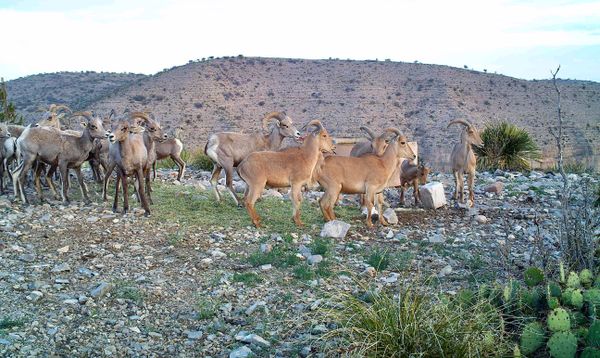
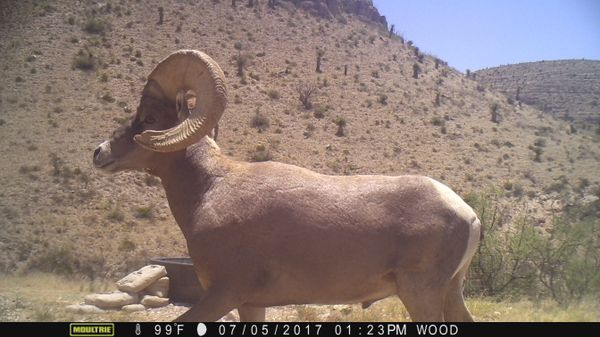
"Invasion Biology" Circle Ranch Wildlife Cameras - Summer 2017 Every month we review 5,000 pictures and post a few of the most interesting. What is pictured here is biodiversity. Multiple species are complimentary – not competitive. Ranges need keystone grazers like bison or cattle, lots of predators and lots of prey species. Without all these, the systems come apart.
"Invasion Biology" Are Wolves the Pronghorn's Best Friend? Let’s look for a holistic solution to pronghorn decline in far-West Texas. As discussed in the article below, pronghorn fawn survival triples when wolves are present because wolves control the coyotes which otherwise kill the pronghorn fawns. Cattle removals, predator removals and so-called invasive species removals have
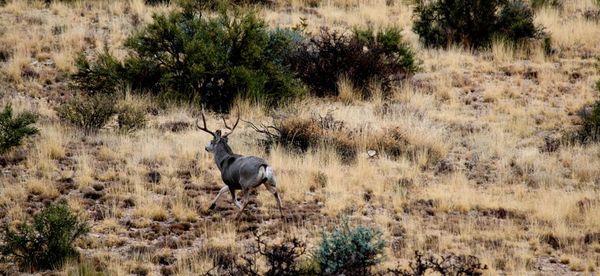
"Invasion Biology" Desert Mule Deer "Management": Does Culling Low-Point Desert Mule Deer Bucks Help or Harm the Herd and Its Genetics? Culling Mule Deer – or whitetail – is scientifically unjustifiable, and does not improve herd genetics. Note: This post originally appeared on this blog in November 2014 Approach #1: Remove Cull Bucks to Improve Herd Genetics …Jerad Wayne Zachary, Deer Guide Dear Mr. Gill, I hope you are doing well. I just
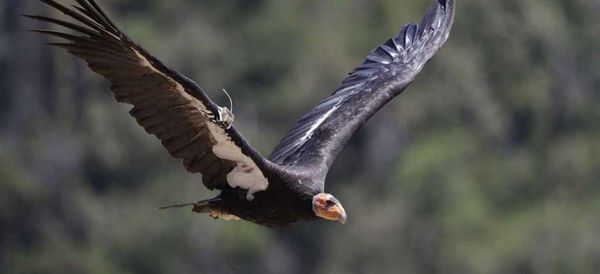
"Invasion Biology" California Condor Takes Flight in Wild After Near Extinction The condor “once patrolled the sky from Mexico to British Columbia,” including far-West Texas. Perhaps someday soon they will again. While the majestic sight of a condor in flight makes it obvious why we should support national efforts to save endangered species, it is equally important to save less
"Invasion Biology" Richard Teague et al. on Benefits of Planned Grazing Here is peer reviewed, hard science from Texas A&M on the topic of holistic planned grazing. This paper by Texas A&M range scientists Richard Teague, Fred Provenza et al. studied the benefits of concentrated, rapidly moving cattle herds on rangeland health. Their peer-reviewed findings contradicted
"Invasion Biology" Rare Big Bend Grass Added to Federal Endangered Species List Most agencies, universities and conservationists continue to blame cattle grazing for grassland decline. The biodiversity loss described in this article is real but the blame is misplaced. The real cause of grassland decline is lack of animal impact from periodic grazing of bison or cattle and abundant wild species. The
"Invasion Biology" Ranches for Free: Birdwell Creek - Planned Grazing Here is a Texas example of high density planned grazing, which means the owners greatly increased cattle numbers and animal density, improving habitat and forage production. The increase in productivity per acre is like getting a ranch (or two) for free. These results directly contradict the agency-university biases against
"Invasion Biology" Legislation Reclassifying Elk as 'Exotic' Here is the legislation that changed Texas’ native elk from treasured, protected game animals to vermin that are shot on sight at all state-managed lands in far-West Texas. The legislative declaration that elk are not native is scientifically incorrect and meaningless. This legislation was introduced under the normal