"Invasion Biology" Wild Horses in America: Lemons or Lemonade? The reason horses do so well in our wild environments is because they belong here. Classifying wild horses as exotics makes sense only to those who are unaware of our continent’s natural history. For 50-million years, horses and their ancestors coevolved with plants and animals in North America.
"Invasion Biology" Burned, Beetle-ravaged Wyoming Forest Expected to Flourish As demonstrated across the West, refusing to “manage” forests is a powerful management practice. While the practice of keeping human hands off of forest resources may be well-intentioned, it is detrimental and destructive. The “hands off” management policy has led to degraded forest conditions, which despite what we are
"Invasion Biology" National Parks are Being Overrun By Invasive Species As this article points out, people introduce the vast majority of so-called invasive species worldwide. What the article doesn’t mention is that we humans are the world’s most destructive invaders. Or, that of the hundreds of thousands of so-called invasive species that have been introduced, virtually
"Invasion Biology" Scientists Disagree on Bison Impacts to Yellowstone’s Northern Range A new report claiming that bison are damaging the Northern Range of Yellowstone National Park is drawing criticism from a park wildlife biologist who questions whether the scientists behind it are “looking too narrowly” at the range.
"Invasion Biology" Take ‘Charisma’ Into Account When Managing Invasive Species, Scientists Say As Groucho Marx asked all those years ago, “Who are you going to believe: Me, or your lying eyes?” According to the doubtful premise underlying invasive species biology, any new creature entering a system is, by definition, harmful to it. This paper, written by invasion “biologists” warns against being “fooled”
"Invasion Biology" Could an Invasive Snail Save Your Morning Coffee? More often than not, “invasive” plants and animals are responding to human damage to ecosystems. So-called exotics are usually viewed as competitive to the systems where they have arrived, but on closer study, most turn out to be complimentary. Think of them as nature trying to rebalance herself. NOTE:
"Invasion Biology" A Natural Classroom, Run by Wolves Wolf reintroduction to Yellowstone has been a scientific and tourism bonanza. NOTE: this article was originally published to NYTimes.com on March 27, 2020. It was written by Jim Robbins. Mr. Robbins, a longtime contributor to The Times, is based in Helena, Mont. Twenty-five years ago this month, 14
"Invasion Biology" Pablo Escobar’s Hippos Fill a Hole Left Since Ice Age Extinctions According to the article below—and the study on which it is based—humans have caused the extinction of many large animals over the past 100,000 years. This has changed ecosystems greatly, generally for the worse. Introductions of so-called exotics have somewhat compensated for extinction losses. As incongruous
"Invasion Biology" Mountain Goat Removal Temporarily Closes Areas Of Grand Teton National Park According to the article below, the National Park Service (NPS) has decided to exterminate wild mountain goats in the Teton-Yellowstone Parks because they (1) are non-native, (2) “compete” with bighorn and (3) might infect them with diseases. NPS claims to follow the North American Model of Wildlife Conservation
Holistic Management The Resistance to Holistic Wildlife Management Across the West as well as in Texas, agencies, universities, governmental and conservation organizations resist holistic wildlife and agricultural management practices. Most Western public grazing rules make holistic grazing very difficult if not impossible In this 5-minute video, range scientist Allan Savory discusses why this is so, and how
"Invasion Biology" How Feral Hogs Hurt The Environment Quoting from the article below, “But the scientific consensus today is that in North America, feral pigs are a growing threat to both ecosystems and the economy.” The author continues, “Interestingly, in their native range in Europe and Asia, pigs do not cause as much ecological damage. In fact, some
"Invasion Biology" Lessons From the Prairie A Land-Management Legend Offers 50 Years of Soil-Nourishing Wisdom. NOTE: this article originally appeared in the September edition of Acres magazine. It was written by Tracy Frisch.
"Invasion Biology" How to Let Grow “How do we “rewild” areas where the native species are now extinct? In England, they use “exotic” species as substitutes. This common sense would collide with so-called “invasive species biology” in most of the US. NOTE: this article was originally published to WSJ.com on September 27, 2019. It
"Invasion Biology" The War On Nature Quoting the authors below, “In reality, the problem is not herbicide resistant weeds; it is the perception that they are an enemy that must be destroyed at all costs. Military imagery – especially words like “war” and “battle “- is very common in the literature on weed control. But there is a
"Invasion Biology" Scorched Portugal Turns to the Goat as a Low-Cost Firefighter In nature, different animals eat different kinds of plants and there are specific species for every such “ecological niche”. Where native animals have gone missing, domestic goats can be used to replace animals that once ate brush and weeds, just as cattle replace herds of nomadic grazers like bison. Goats
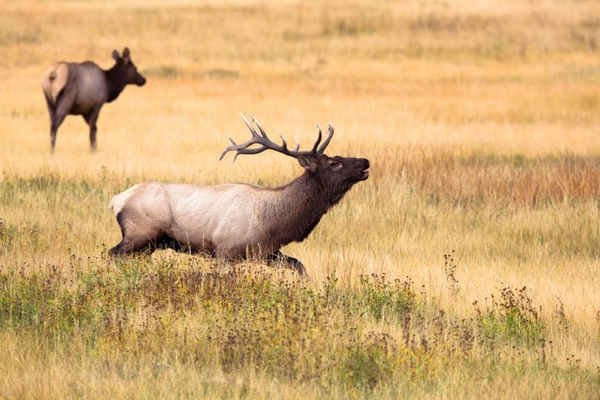
Elk Removals Featured Are Elk Native to Texas--Historical and Archaeological Evidence for the Natural Occurence of Elk in Texas This paper began as an effort to persuade Texas Parks and Wildlife Department (TPWD) to cease its efforts to eradicate elk on the state lands which it manages in far-West Texas. Our assumption was that TPWD was acting out of a sincere misunderstanding of science, which could be corrected.
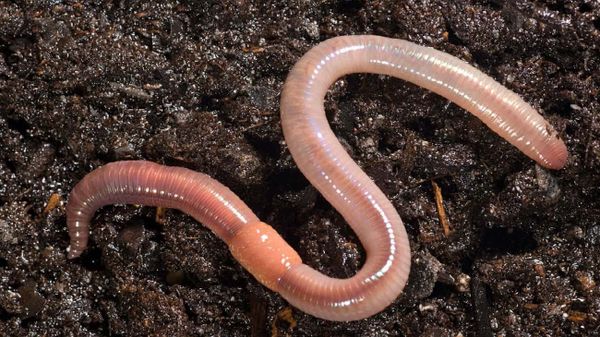
"Invasion Biology" ‘Earthworm Dilemma’ Has Climate Scientists Racing to Keep Up Now we are adding earthworms to the list of invasive species. After climate change, the most discussed environmental issue is the so-called invasive species crisis. Invasive species biology rests on the mistaken belief that the animals, plants and soil life found on our planet about 500 years ago represented
"Invasion Biology" Liquid Blood Is Extracted from 42,000-Year-Old Foal Found Frozen in Siberia The intriguing possibility of resurrecting an extinct horse highlights difficult questions and contradictions of modern wildlife thinking. Would a horse cloned from a species extinct for more than 10,000 years, be a “native” if returned to its original home? If the ancient horse species were “native”, would that mean
"Invasion Biology" Saving the World with Fake Meat? According to the author, the UN’s most recent conclusion on climate change is that we must all adopt “demand reduction” of meat if the human species wishes to survive. In short, everyone must learn how to live on less. In this context, plant-based fake meat, which food scientists
"Invasion Biology" 6 Reasons Why The Practice of Silvopasture Will Help Save Modern Farming Silvopasture (in Latin, silva means forest) is the practice of combining woodland (trees) and the grazing of domesticated animals in a mutually beneficial way. Specific silvopasture benefits are discussed below. NOTE: this article was originally published to GreenBiz.com on August 4, 2018, 2019. It was written by Steve Gabriel.
"Invasion Biology" Montreal Turns to Coyote Hazing After 19 People Are Bitten Beginning in the late 1800s, government-funded eradication programs eliminated most wolves in the United States. This policy was based on a complete failure to understand the importance of predators in natural systems. Many unintended consequences followed this misguided practice. It did great damage to wild animal populations, and their
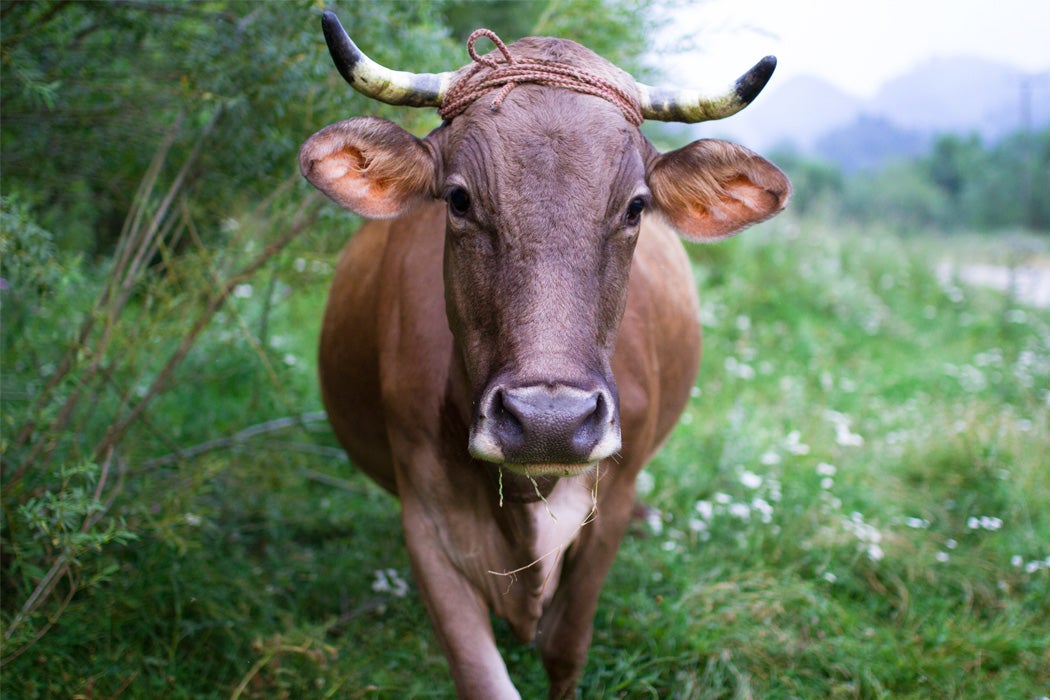
"Invasion Biology" Can Cows Help Mitigate Climate Change? Yes, They Can! Livestock and other so-called “invasive exotic” animals can replace missing wild animals’ beneficial effects on plants when they are managed to copy natural grazing patterns. These and other innovations of restoration agriculture practices are discussed in the article below. NOTE: this article was originally published to Daily.Jstro.org
Chronic Wasting Disease Disease Threatening Deer Population Has Spread to 26 States An illness similar to mad-cow disease that is fatal to deer is spreading across the U.S., worrying hunters, wildlife-management officials and scientists.
"Invasion Biology" DNA Of Wolf Declared Extinct In Wild Lives On In Texas Pack More on the ‘discovery’ of Red Wolves in Texas. The real hero is “Wil E. Coyote” the indomitable little wolf of our Southwestern Deserts. Like his roadrunner cartoon adversary, Coyote has run circles around the ‘conservation’ scientists and their publicly funded, 100-year eradication campaign whose waste is exceeded only
"Invasion Biology" Do States Manage Wolves Better? Decades of experience with wildlife and forestry management shows that state agencies generally produce better results than federal agencies. It’s not that the feds don’t know what needs to be done; it’s that they can’t do anything without getting sued. Because of the federal court system