Restoring Biodiversity - 9/8/2026
Invasive species overwhelm islands. Water law locks scarce resources into old patterns. And forests deprived of fire begin losing the very biodiversity we thought we were protecting.


Thank you for subscribing to the Pitchstone Waters weekly newsletter.
This week’s stories share a common lesson: ecosystems rarely improve through inaction.
Here is what we’ve been reading, watching and writing about over the past week…
We often talk about conservation as protecting nature from human interference.
But many landscapes are already profoundly altered.
Haida Gwaii now contains introduced deer, rats and European green crabs that are changing forests, seabird colonies and coastal ecosystems.
The Colorado River has been divided, diverted and legally allocated for generations.
And across much of North America, fire was systematically removed from ecosystems that evolved with it.
In each case, simply leaving the landscape alone does not return it to some earlier equilibrium.
Sometimes restoration requires intervention.
The difficult question is which intervention—and at what cost?
Articles
‘Crabs Everywhere’: Off Canada’s Pacific Coast, Indigenous Haida Fight a Host of Invasive Species
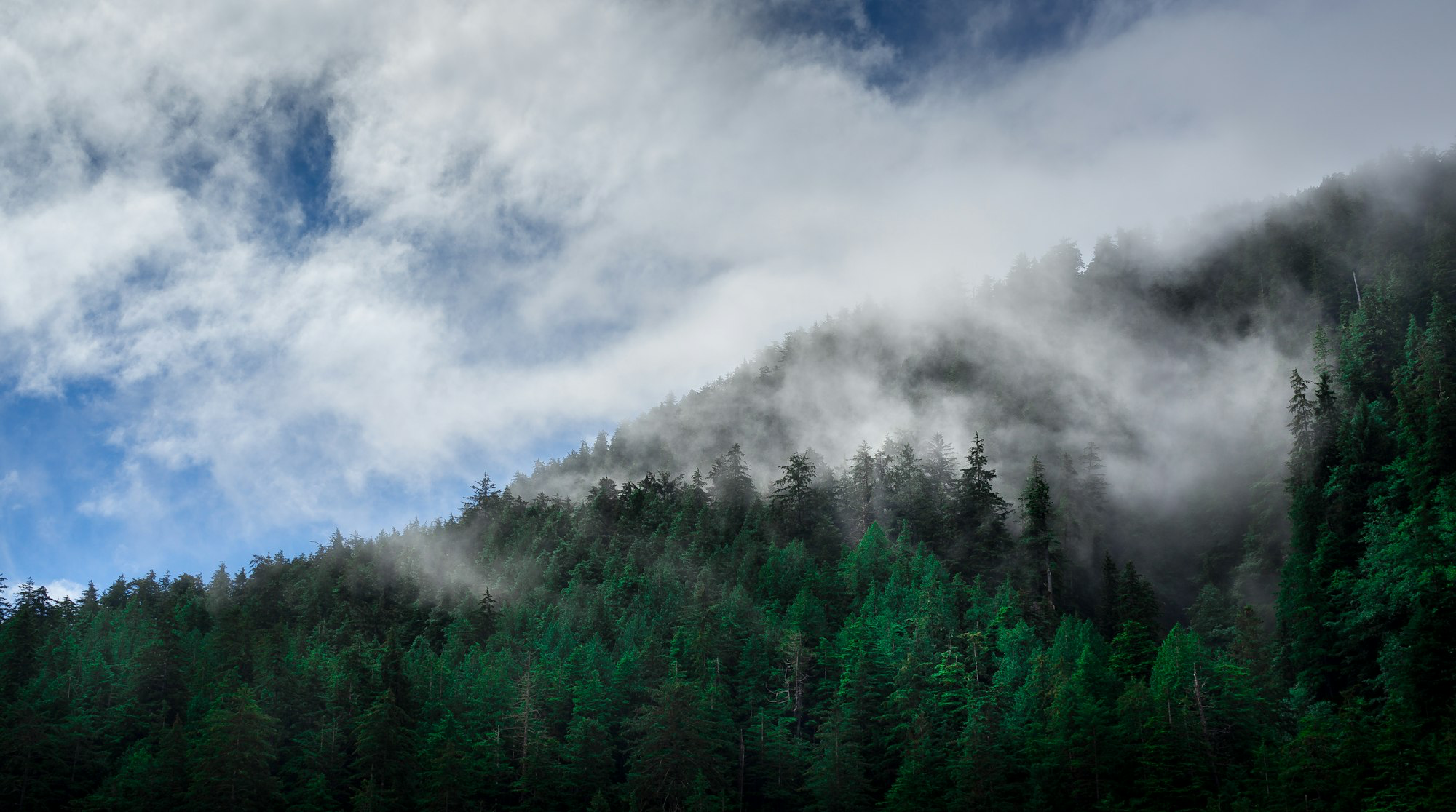
Haida Gwaii is one of North America’s extraordinary biological landscapes: roughly 150 islands off the coast of British Columbia containing distinctive wildlife, forests and marine ecosystems.
But isolation, which helped create that biodiversity, has also made the islands unusually vulnerable to introduced species.
Once an ecosystem has been profoundly altered, doing nothing is not necessarily preservation. Sometimes restoring biodiversity requires active management of the species driving the change.
More here → Read the article on Pitchstone Waters
40 Million Americans Are Losing Their Water Supply to—Hay
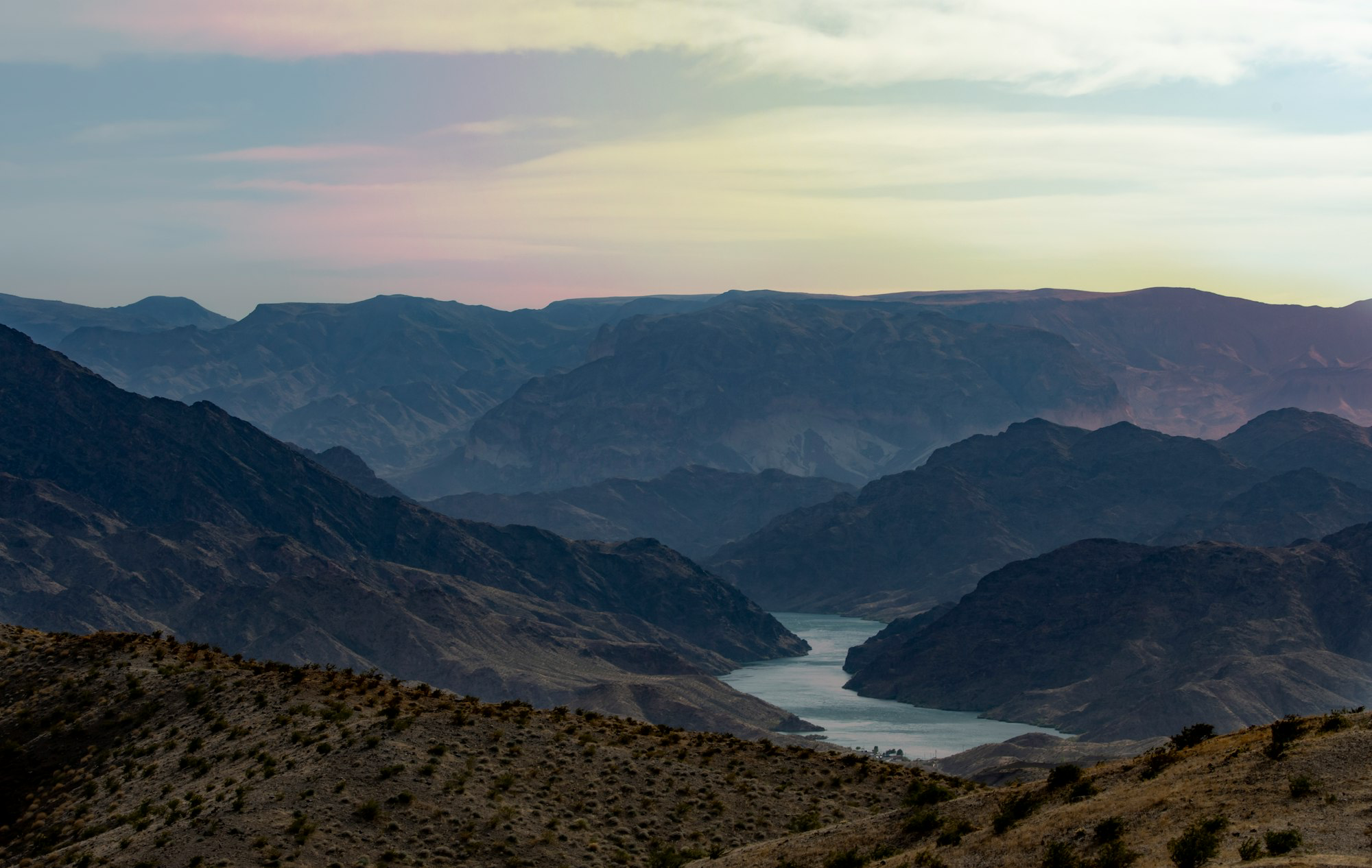
The Colorado River supplies water to roughly 40 million people, yet the most important argument surrounding its future may not concern lawns, swimming pools or golf courses.
It concerns agriculture.
The article examines how Western water law created incentives that still influence how enormous quantities of Colorado River water are used today—particularly for irrigating alfalfa and other forage crops.
Conservation becomes much more durable when the person being asked to conserve shares in the economic value created by conservation.
More here → Read the article on Pitchstone Waters
The Biodiversity Crisis
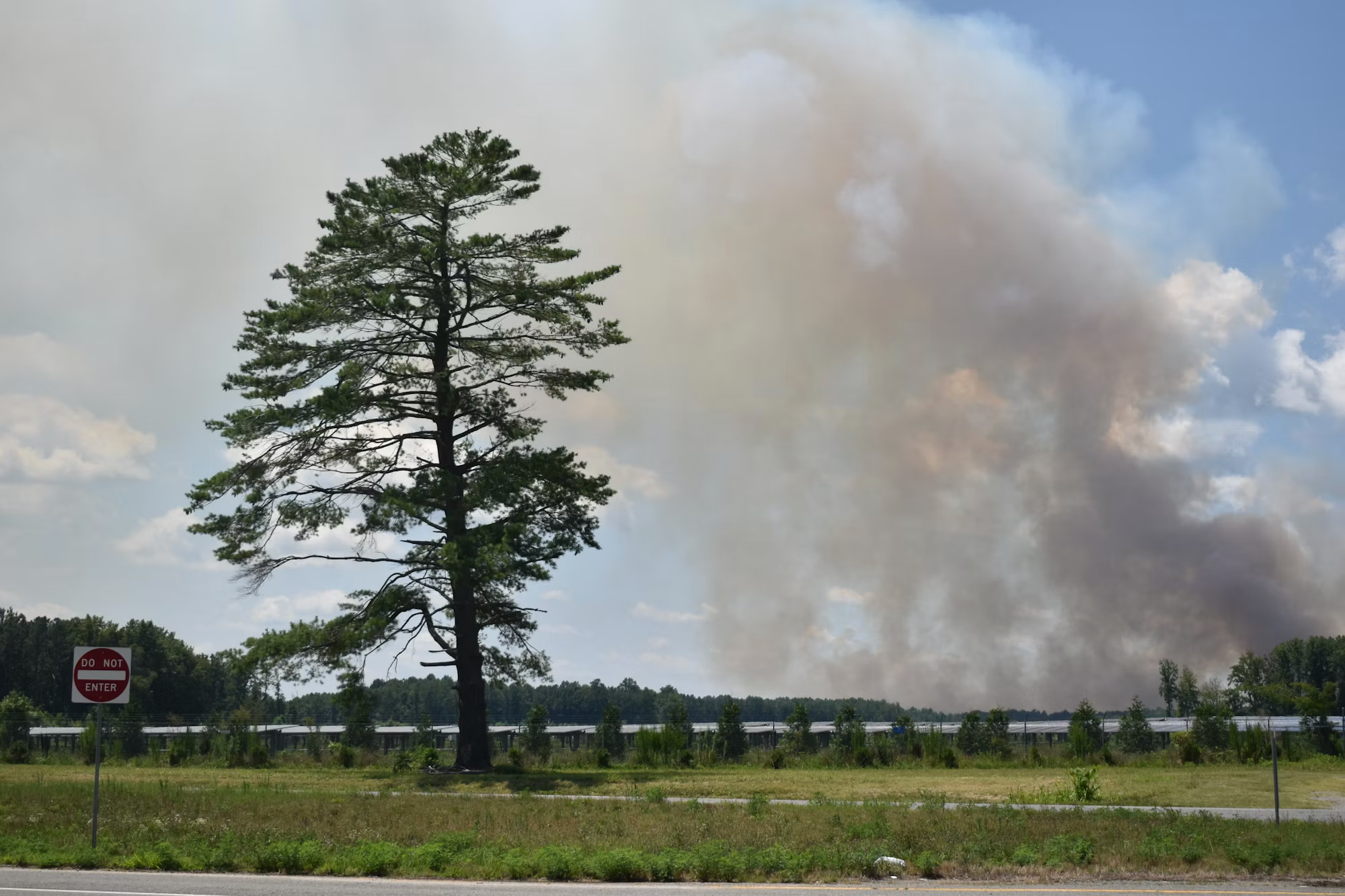
For most Americans, fire in a forest means something has gone wrong.
Ecologists increasingly argue that the opposite can also be true.
Many North American forests, grasslands and wetlands evolved with frequent fire—some ignited by lightning and much deliberately applied by Indigenous people over thousands of years.
Removing that disturbance changed the ecosystems.
Without periodic fire, dense stands of shade-tolerant trees can replace more open oak and pine systems. Sunlight disappears from the forest floor. Fire-adapted plants decline. Fuel accumulates.
Biodiversity depends on ecological processes as well as species. Protecting the trees while eliminating the disturbance that created the forest can slowly transform the ecosystem we intended to preserve.
More here → Read the article on Pitchstone Waters
What We’re Reading




And that’s it—as always, thank you.
If you haven’t already, please check out our views on biodiversity at PitchstoneWaters.com.
Please pass this along—and if you received it from a friend, consider subscribing.