
Restoring Biodiversity — 9/15/2026
A 37,000-year-old challenge to North American history, plants that may be communicating under stress, and an ancient species holding clues to Earth’s past.


Thank you for subscribing to the Pitchstone Waters weekly newsletter.
This week we're looking at discoveries that challenge some surprisingly basic assumptions—about when humans first occupied North America, whether stressed plants are really silent, and what an ancient plant might tell us about climates millions of years in the past.
They aren't necessarily connected stories, and there's no reason to pretend they are. But each is a useful reminder of how much remains hidden in landscapes and living systems we think we understand.
Here is what we've been reading, watching and writing about over the past week…
Articles
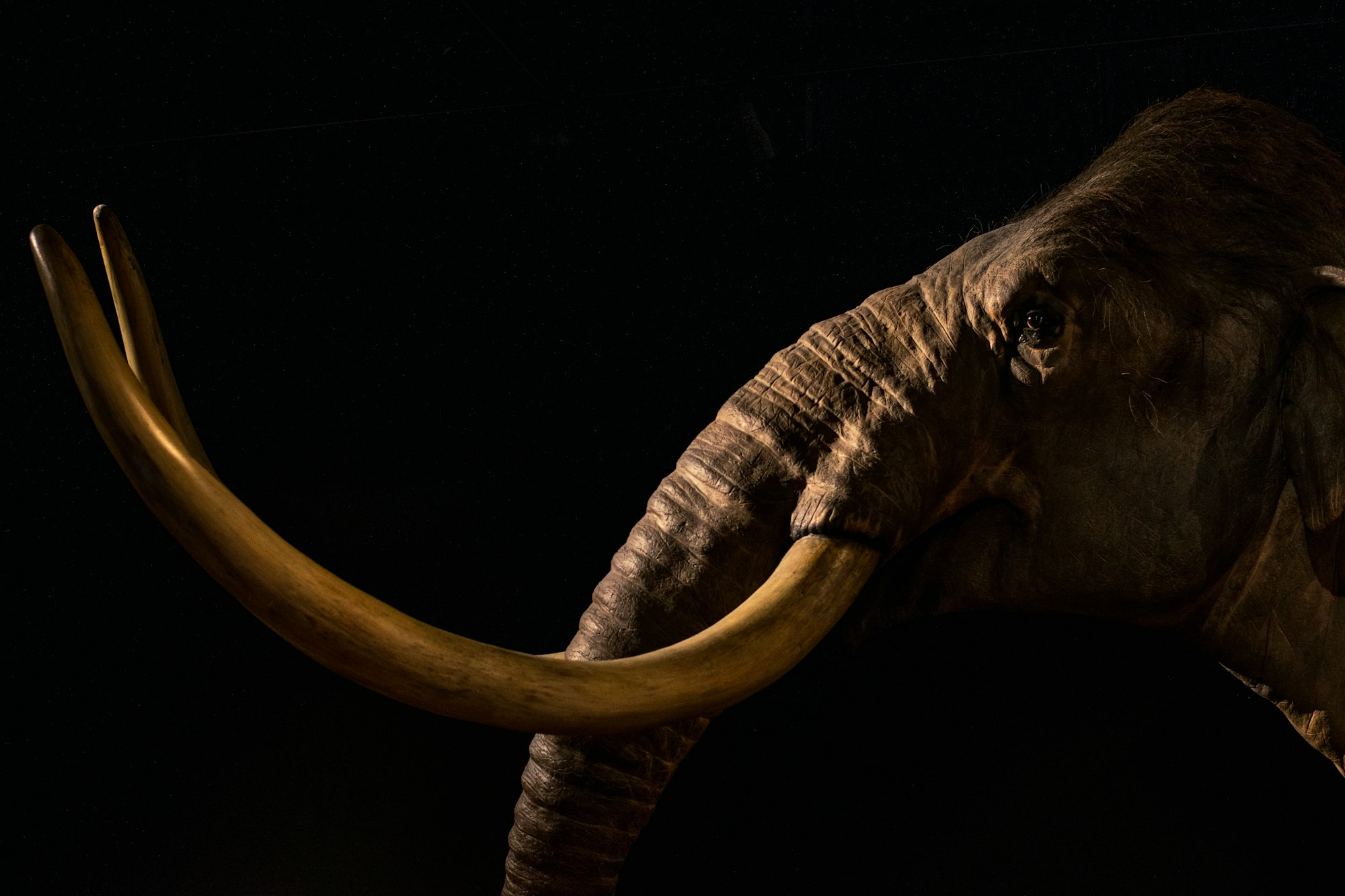
Human Occupation of the North American Colorado Plateau ~37,000 Years Ago
When did people really arrive in North America?
Evidence from a mammoth site in northern New Mexico may complicate the familiar timeline. Researchers examining the remains of two mammoths found evidence they argue is consistent with butchering and controlled fire—and radiocarbon dating places the site at roughly 37,000 years ago.
If their interpretation is correct, the implications extend well beyond archaeology. Moving human occupation that far back also changes the timeline for asking when people first began influencing North American landscapes and ecosystems.

Sounds Emitted by Plants Under Stress Are Airborne and Informative
Plants may not be as quiet as they seem.
Researchers studying stressed tomato and tobacco plants detected airborne ultrasonic sounds associated with drought and injury—and found that those signals contain enough information to distinguish different kinds of stress. The intriguing question is what might eventually be listening: farmers armed with new sensing technology, other organisms, or perhaps both.
The practical implications for agriculture could be considerable, but the larger ecological question may be even more interesting: how much communication is taking place around us simply because we lack the senses to perceive it?
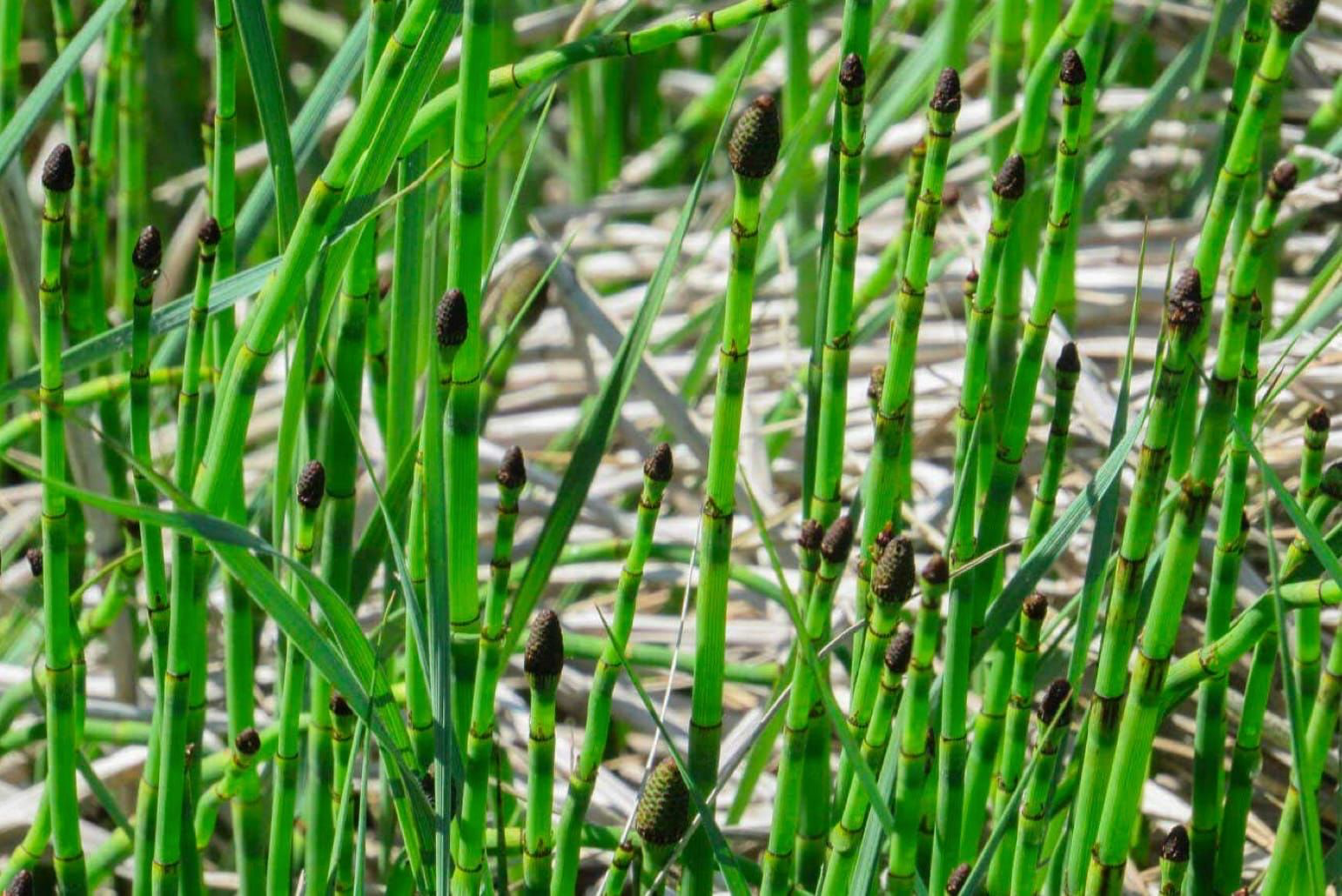
Peculiar Plant Could Help Us Reconstruct Ancient Earth’s Climate
Horsetails have been growing on Earth for roughly 400 million years. Their peculiar biology may now give scientists an unexpected way to investigate what the planet was like long before humans arrived.
Researchers studying modern horsetails discovered something extraordinary about the way water changes as it travels through their segmented stems. That process leaves behind a chemical signature—and fossilized remnants of ancient horsetails may preserve enough of that signature to reveal clues about prehistoric humidity and water cycles.
It is a remarkable possibility: an organism that survived from the deep past may also have been quietly recording it.
Connecting the Dots
Conservation depends on understanding how living systems actually function, rather than assuming we already know.
Whether scientists are listening for signals from a drought-stressed plant or extracting environmental information preserved by an ancient species, better observation changes what we can see—and eventually, what we can manage.
Sometimes improving our stewardship of nature begins with discovering that nature has been telling us more than we realized.
And that’s it—as always, thank you.
If you haven’t already, please check out our views on biodiversity at Pitchstone Waters.