Restoring Biodiversity - 11/3/2026
From desert soils and solar siting to quail habitat, water law, and the economics of working lands, this week’s stories ask a harder question: what keeps landscapes functioning over time?


This week’s edition returns to a recurring Pitchstone Waters theme: labels are cheap, but land function is not. Several of these stories challenge familiar categories—desertification, renewable energy, water rights, even conservation itself—and ask what is actually happening on the ground. Others bring that same practical lens to wildlife infrastructure, quail recovery, and the long-term viability of working lands.
The through-line is accountability. Not to slogans, but to soil cover, hydrology, habitat structure, incentives, and the people who must live with the consequences of management decisions.
Articles
A Working Landscape Must Work for People, Too
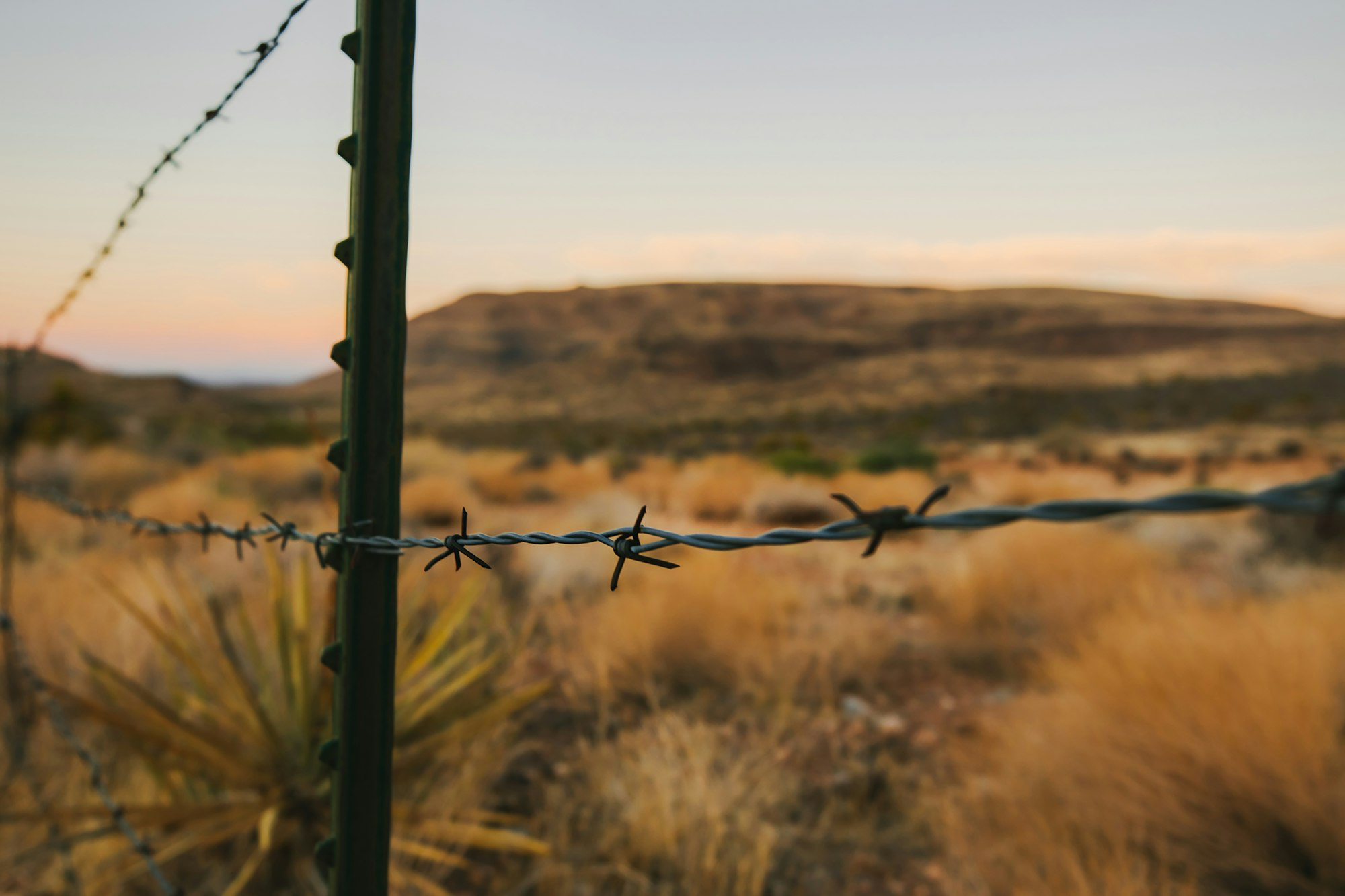
This week’s institutional editorial addresses a conservation blind spot: ecological stewardship does not last if the people managing the land cannot keep the operation intact, transfer knowledge, or withstand pressures that break working landscapes apart.
The piece does not argue that economics should override ecology. It argues that durability itself is an ecological issue. If conservation ignores continuity, incentives, and human capacity to keep doing the work, it may be describing an outcome that cannot hold.
Desertification Is a Loss of Function, Not a Label
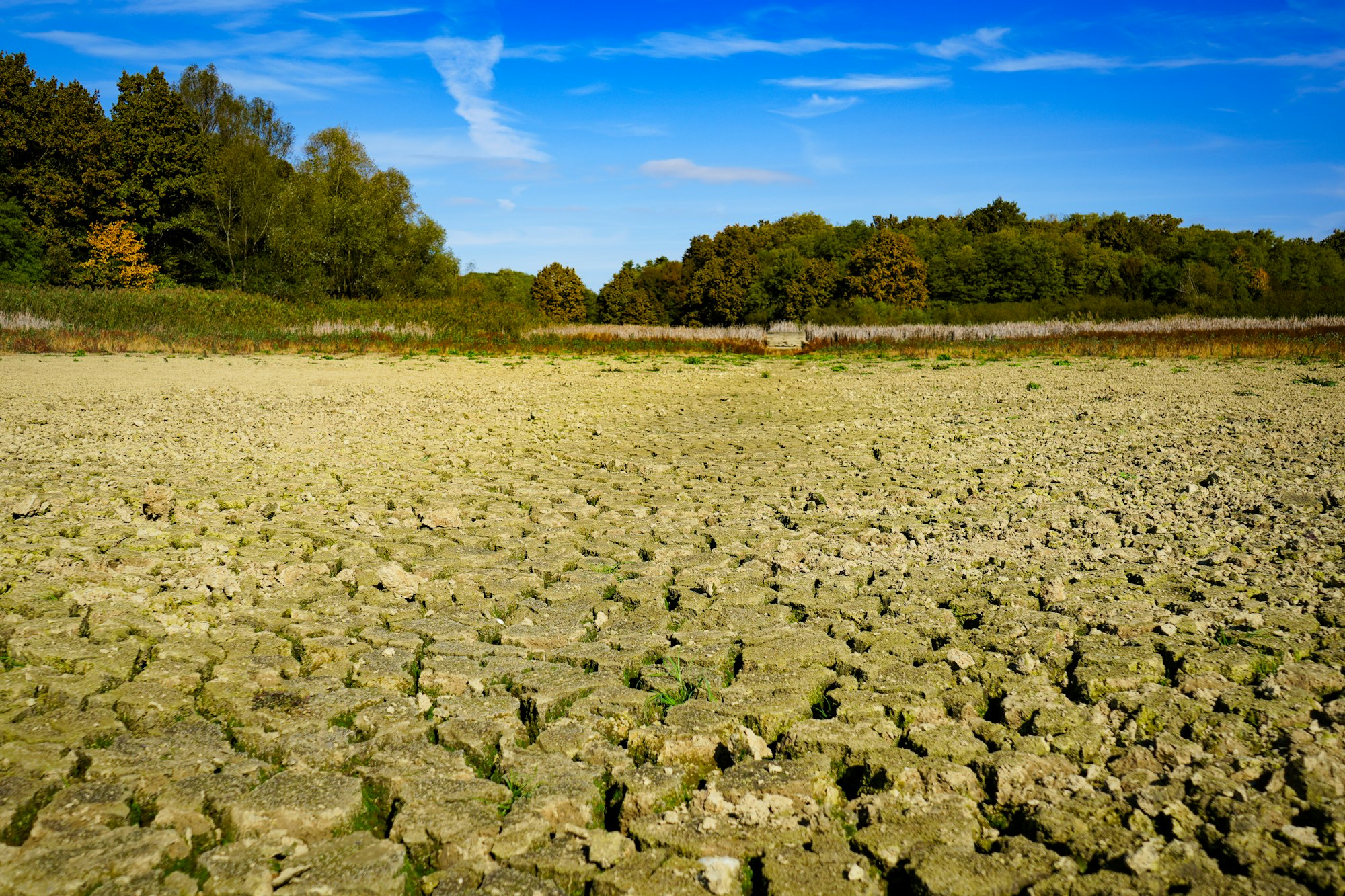
Desertification is often discussed as if it were a map category or a synonym for drought. This piece argues that neither framing helps much if you are trying to manage land well. The more useful question is whether the ground is still protecting soil, taking in water, supporting living roots, and recovering after stress.
That shift sounds simple, but it changes how degradation is judged—and what a manager can actually do about it. Instead of arguing over terms, the article turns to indicators, reference conditions, and trend.
Solar Power Is Also a Land-Management Decision
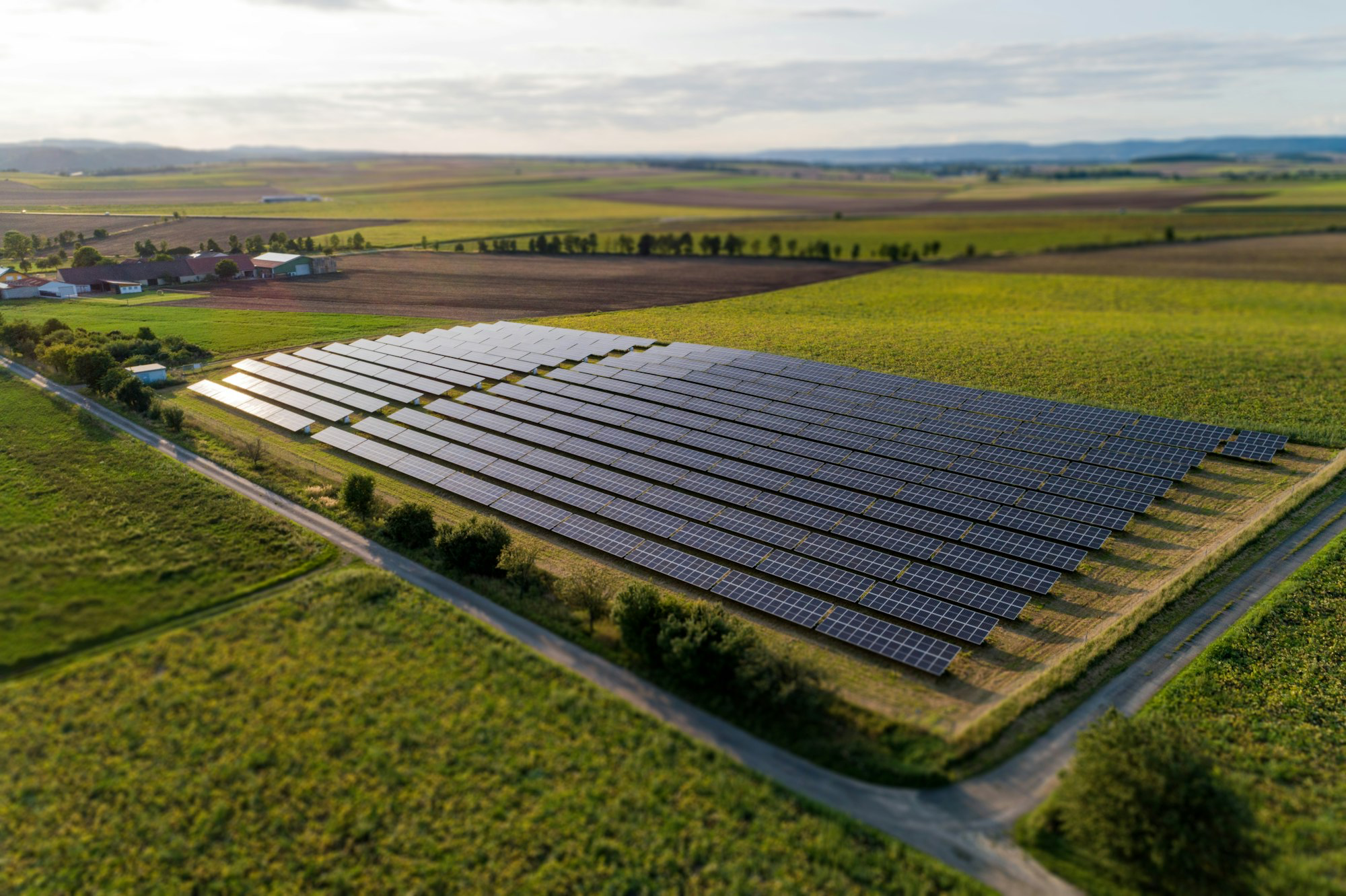
Utility-scale solar is usually argued at the level of energy policy. This article brings the conversation back down to the site itself: soil disturbance, dust, habitat continuity, drainage, and the future condition of the land after construction.
New desert research makes the central point harder to evade: projects producing the same electricity can leave very different ecological outcomes behind. That raises a more serious standard for siting, design, monitoring, and responsibility after approval.
A Pumped Well Can Become a Dry Stream
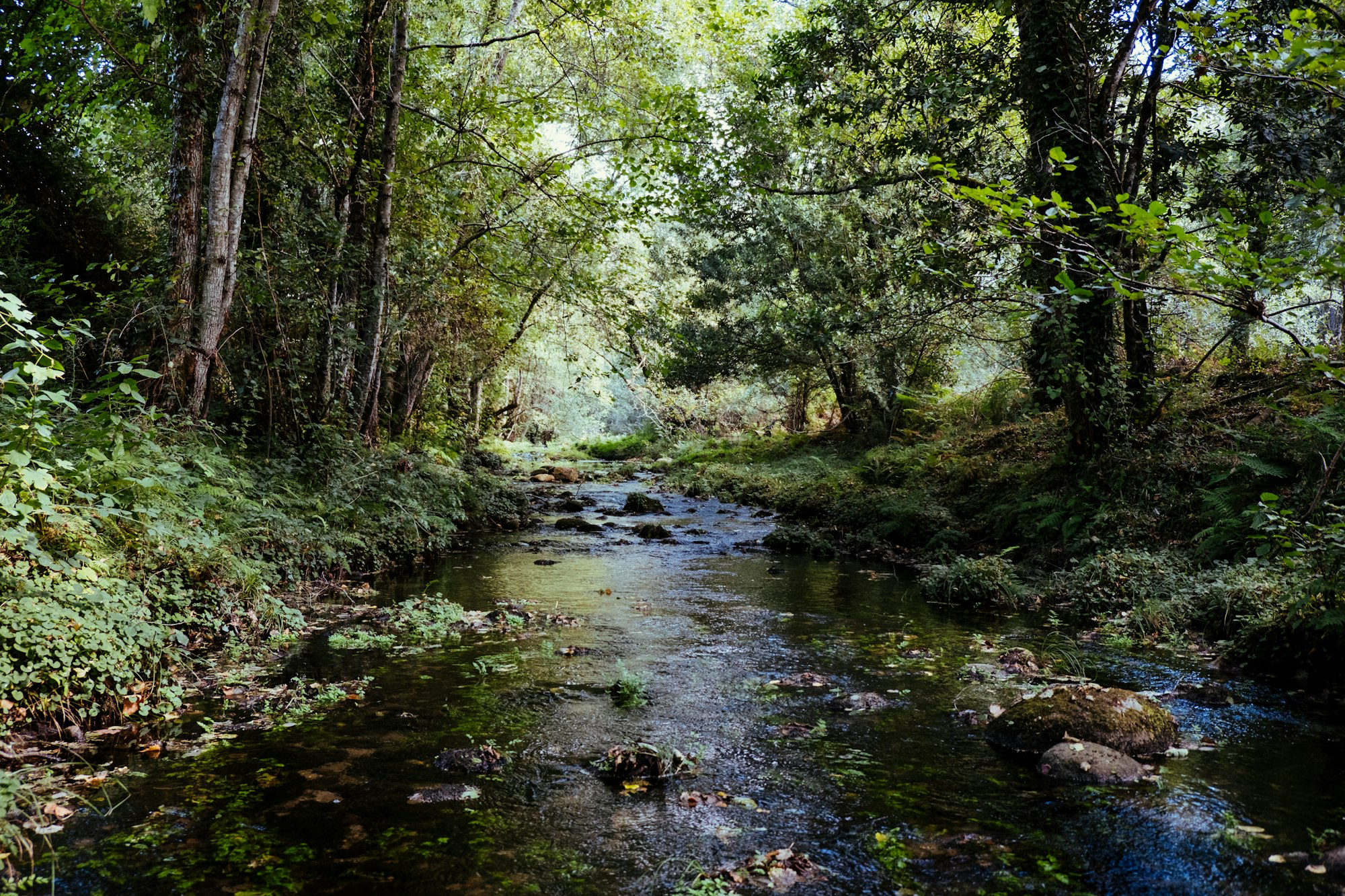
Water law may separate groundwater from surface water, but hydrology often does not. This piece examines the uncomfortable lag between pumping and visible consequence—the way a well can reduce streamflow far away, and much later, making the connection easier to deny than to measure.
The article uses current western modeling work to ask a broader policy question: what would it look like to govern water withdrawals according to a real basin budget rather than legal categories alone?

The Scaled Quail Decline Was Never One Problem
Scaled quail are a good test case for anyone tempted by single-cause explanations. This article revisits an older Pitchstone debate alongside current Texas survey data and newer research, then makes the case for something more disciplined: start with habitat structure, local evidence, and the limiting factor on the site in front of you.
That means resisting both easy pessimism and easy recovery stories. A better regional count is useful. It is not the same thing as understanding why birds do—or do not—persist on a particular piece of ground.
Give Wildlife a Way Out of the Water Trough
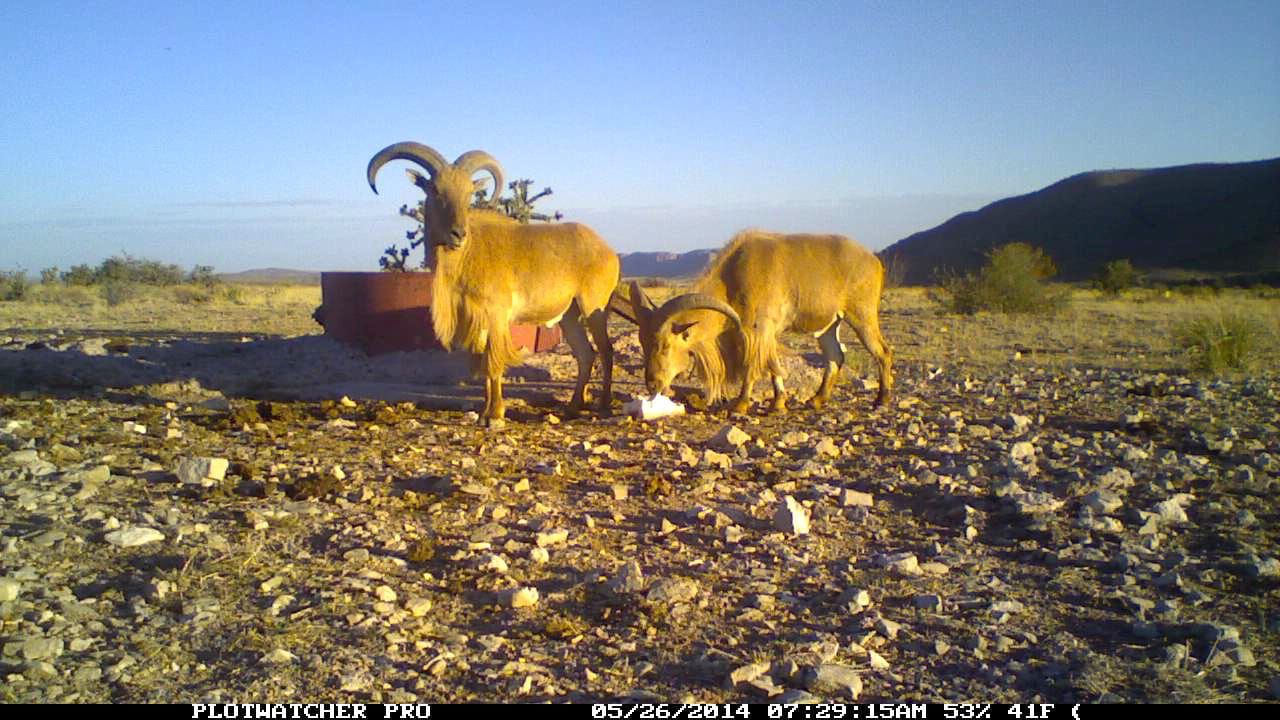
Some conservation gains are not grand strategy. They are ordinary infrastructure made less lethal. This field-minded piece focuses on a simple problem with a simple fix: livestock troughs that become traps for birds, bats, reptiles, and small mammals.
What makes the article useful is that it does not treat “install a ramp” as the end of the conversation. Placement, slope, attachment, water level, and repeat inspection all matter if the device is actually going to work in the field.
Events
Roots So Deep Comes to Western Colorado for a Free Community Screening
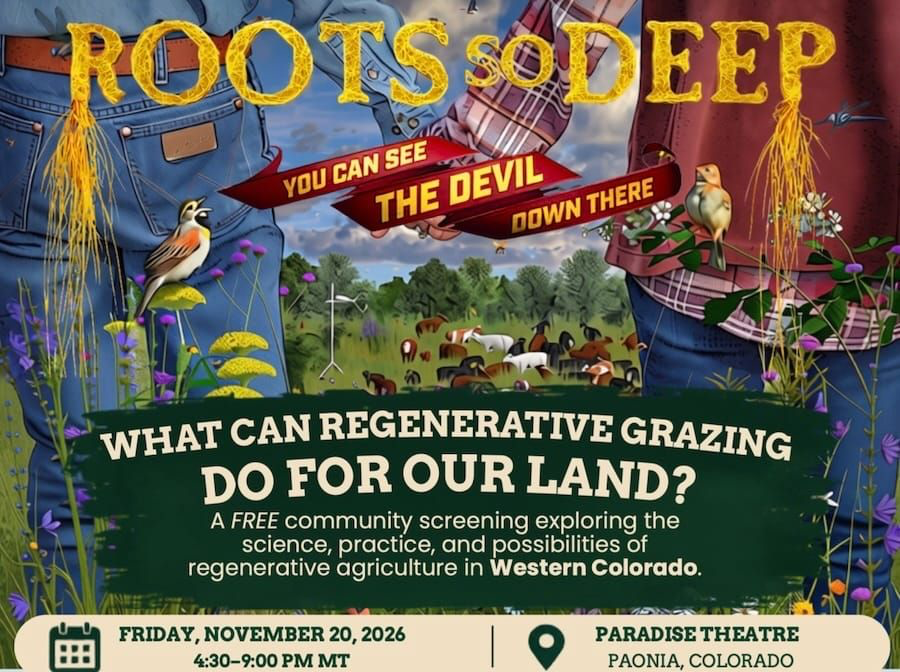
Not every important biodiversity story is a study or a policy fight. Sometimes it is a community event that creates space for better questions. This post highlights a November 20 screening in Paonia, Colorado, bringing together Peter Byck’s documentary, local regenerative ranchers, and a public conversation about grazing, soil health, and restoration.
If you are near Western Colorado, this is a chance to hear how these debates sound when grounded in local experience rather than abstraction.
Connecting the Dots
Three of this week’s strongest pieces are really about the same failure of analysis. Desertification becomes unhelpful when it is treated as a label rather than a change in land function. Solar debates become shallow when energy virtue substitutes for site-level accountability. Water policy becomes brittle when legal categories stand in for physical connection.
In each case, the better question is not “Which side are you on?” but “What is the system doing, and who is responsible for the result?” That is not a smaller question. It is the one that forces management to become real.
Looking Ahead
As always, Pitchstone Waters will keep following the places where biodiversity, land stewardship, wildlife management, and working-land economics meet in practice. If a story this week sharpened your thinking, click through and spend time with the full piece. That is where the details, tensions, and tradeoffs become most useful.