Prairie Grass vs. Cropland: What Happens Beneath the Soil Tells the Story
A remarkable side-by-side look beneath prairie grass and agricultural cropland reveals just how much of a healthy grassland ecosystem exists where we can't see it.


The difference between native prairie and cultivated cropland isn't limited to what grows above ground. This remarkable demonstration exposes what is happening beneath the surface.
On the prairie side, dense grass roots extend deep into the soil, creating an extensive underground structure. Beside it, the agricultural crop has a dramatically shallower root system. It's an unusually clear illustration of how perennial grasslands interact with the soil differently from annual crops.
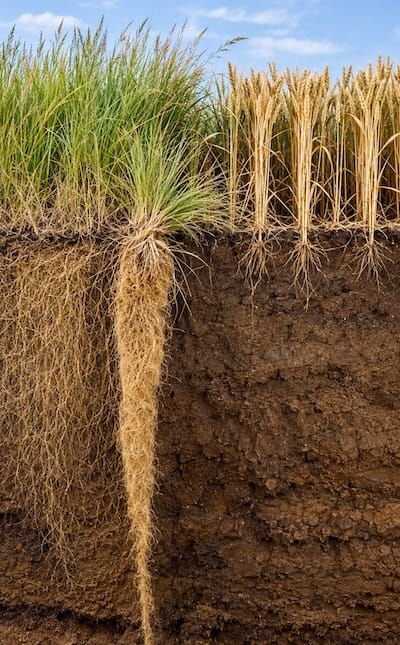
Those deep roots help explain the resilience of native grasslands. They hold soil in place, contribute organic material underground, improve water infiltration and give plants access to moisture well below the surface. When drought arrives, that underground infrastructure matters.
The image also provides useful context for one of the great ecological disasters in American history. The Dust Bowl wasn't caused simply by drought. Years of converting native grasslands to cropland left enormous areas of Great Plains soil vulnerable when prolonged drought and high winds arrived.
Sometimes the best explanation of healthy grassland is simply seeing what's underneath it.
