Restoring Biodiversity - 9/22/2026
What prairie roots reveal, whether salmon farming can leave the ocean, the debate over wildlife killing contests—and why good stewardship sometimes means stepping in.


Thank you for subscribing to the Pitchstone Waters weekly newsletter.
This week’s stories circle around a deceptively simple question: What does good stewardship actually require?
Sometimes it means understanding what is happening beneath the surface. Sometimes it means changing how we produce food, questioning familiar wildlife practices or looking past labels like invasive. And sometimes it means recognizing the difference between allowing nature to recover and assuming that walking away is enough.
The common thread isn't more management or less management. It's paying attention to how the system actually works—and responding accordingly.
Here is what we’ve been reading, watching and writing about over the past week…
Articles
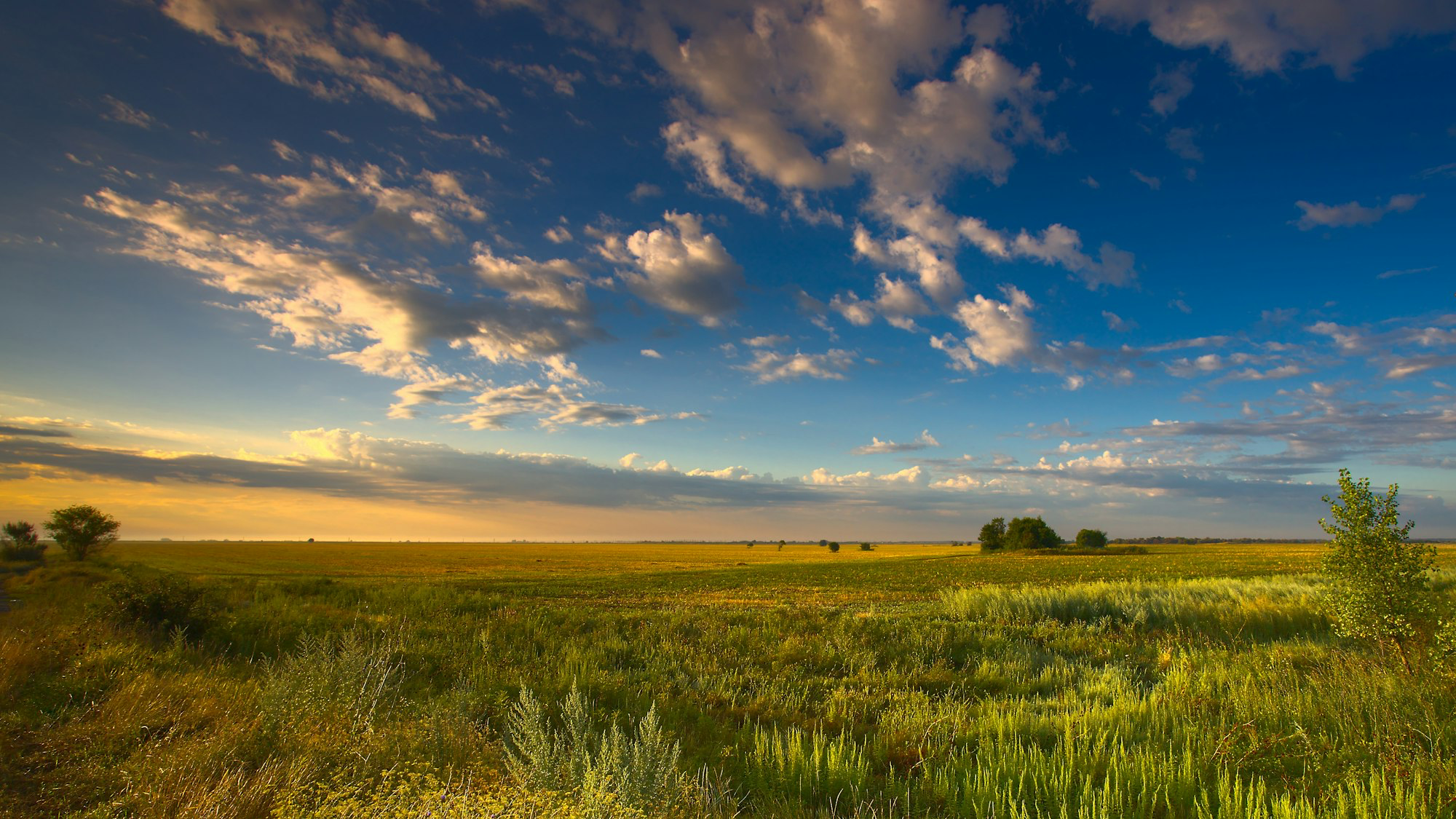
Prairie Grass vs. Cropland: What Happens Beneath the Soil Tells the Story
The most important difference between a native prairie and cultivated cropland may be the part we rarely see.
A remarkable side-by-side demonstration exposes both root systems below ground—and makes immediately visible why perennial grasslands behave differently when drought, erosion and heavy rainfall arrive. Sometimes a picture explains soil resilience better than pages of theory.
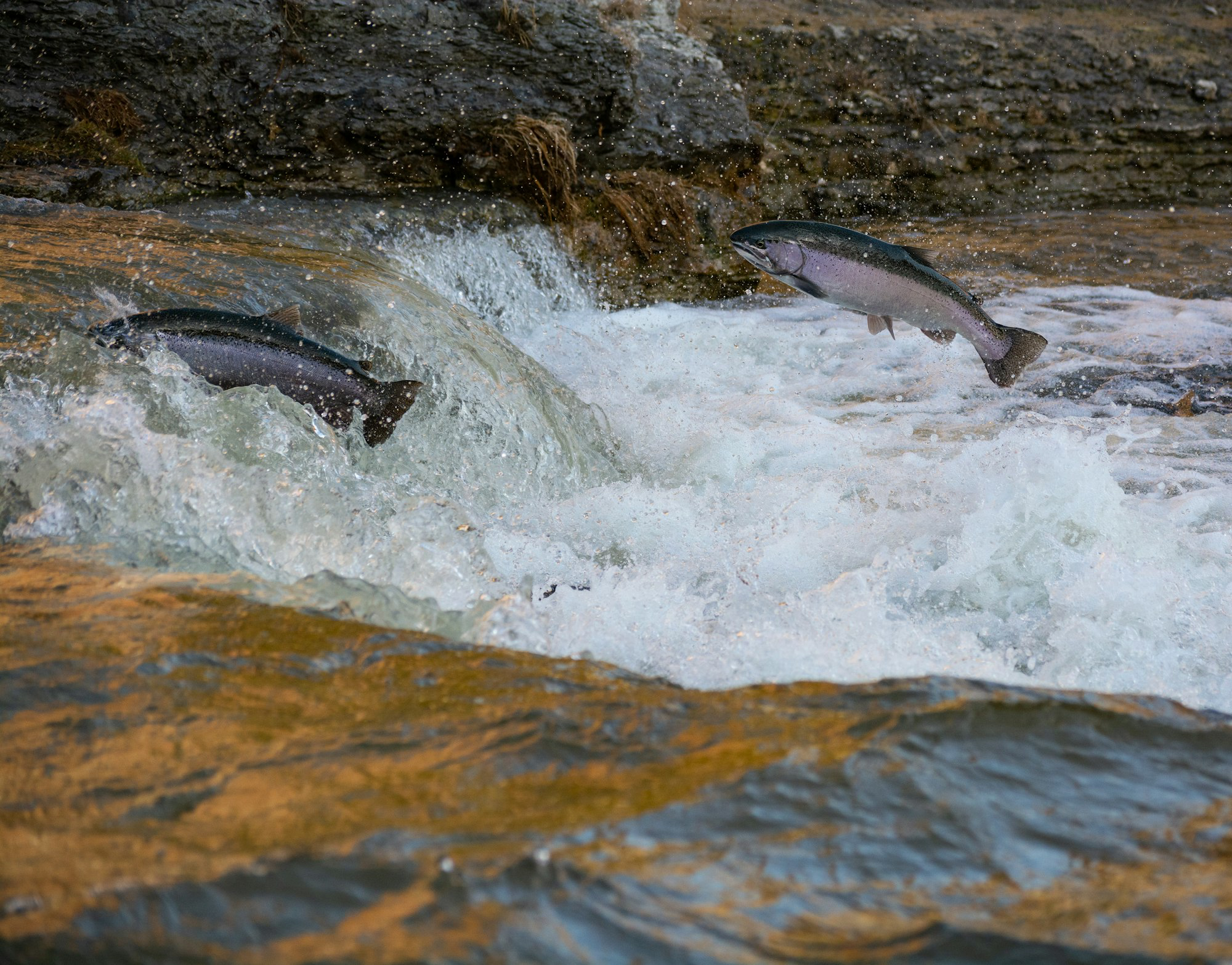
Can We Raise Salmon Without Harming the Ocean?
Americans eat enormous quantities of salmon, much of it produced in ocean pens where the farm and surrounding marine ecosystem remain physically connected. That creates difficult problems involving waste, parasites, disease and escaped fish.
What if the answer is to take the salmon out of the ocean entirely?
Land-based farms are attempting exactly that, using sophisticated recirculating systems to raise salmon far from the sea. The ecological promise is substantial—but so are the economic and technical obstacles. Whether those tradeoffs can be reconciled could help determine the future of aquaculture.
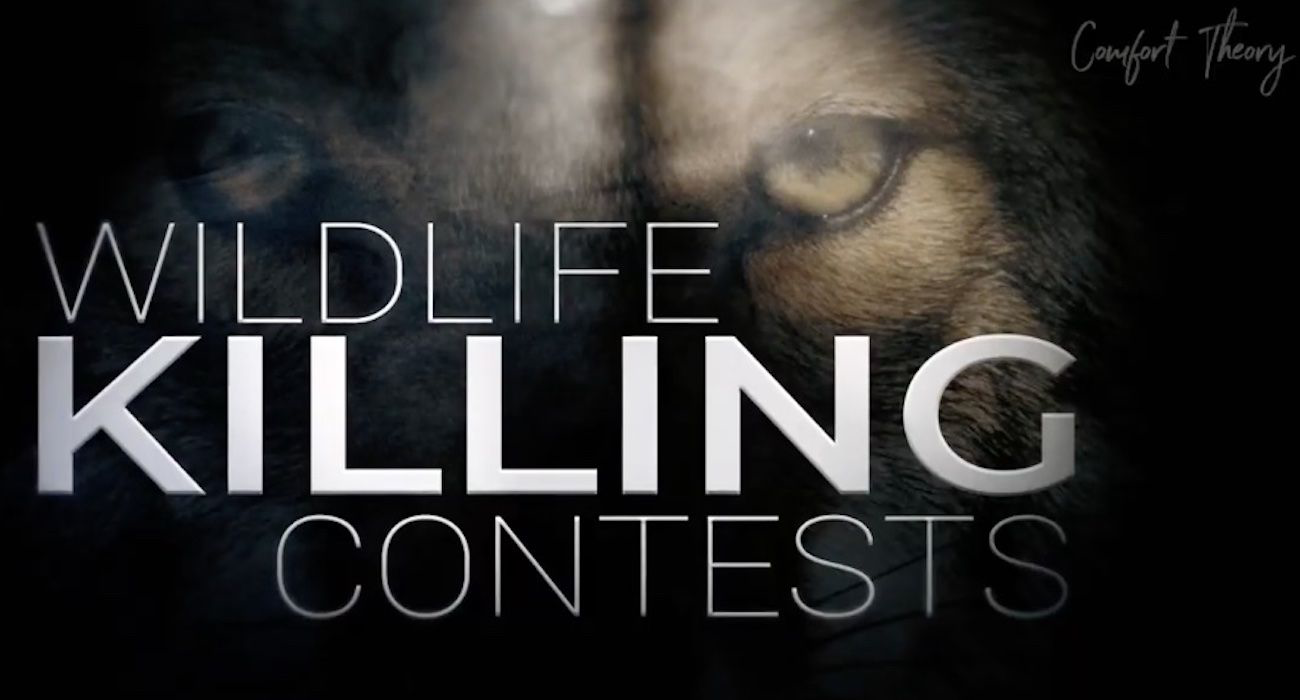
Wildlife Killing Contests: The Hidden World of Killing Animals for Prizes
Across parts of America, coyotes, bobcats and other predators are killed in organized contests with prizes for categories such as the largest animal or greatest number killed. Many people have never heard of the practice.
A documentary trailer takes viewers inside a Texas bobcat contest and raises a larger question worth considering regardless of where one lands on the controversy: What constitutes responsible predator management on a working landscape?
The footage is difficult in places, but that is also why it is worth seeing rather than merely describing. Viewer discretion is advised.
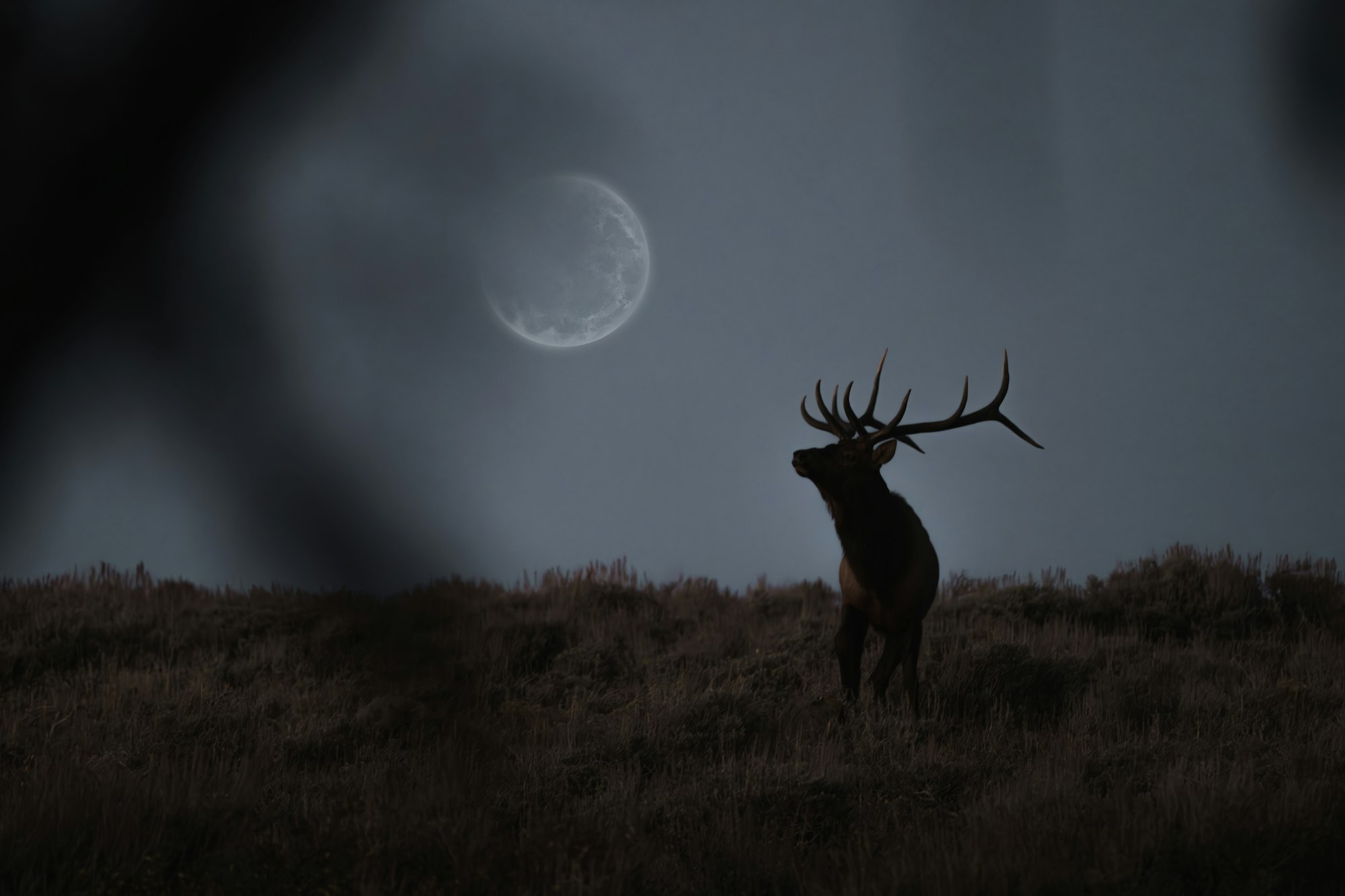
When “Invasive” Becomes a Substitute for Evidence
Few words in conservation carry more weight than invasive. Once the label is applied, the management prescription can seem almost automatic: the species does not belong, therefore it should be controlled or removed.
Sometimes that conclusion is exactly right. But nonnative, exotic and invasive do not mean the same thing—and Pitchstone Waters argues that confusing them can replace ecological evidence with vocabulary.
Texas elk provide a particularly interesting test case, but the argument reaches much further: Should we manage species according to their labels, or according to measurable effects on the ecosystem?
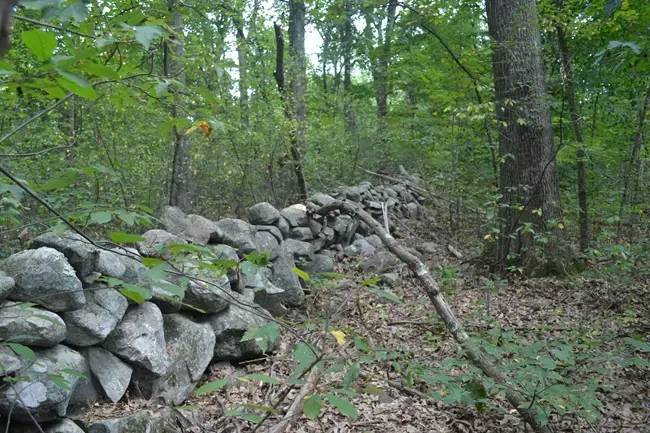
What the Ruins Teach
Abandoned places make for compelling photographs: roads disappear, trees grow through buildings, and forests reclaim ground that once belonged to farms, towns and industry. It is tempting to see all of it as proof that nature simply heals when people leave.
The reality is more interesting. Three very different landscapes—from a vanished Michigan logging town to a contaminated Ohio dump—show why recovery depends less on human absence than on whether the ecological processes needed for repair still work.
That distinction matters well beyond abandoned places. Sometimes good stewardship means getting out of the way. Sometimes it means removing the obstacle that prevents the land from recovering at all.
And that’s it—as always, thank you.
If you haven’t already, please check out our views on biodiversity at Pitchstone Waters.
