Restoring Biodiversity - 8/4/2026
Canada’s ability to prevent forest fires lags behind the need. Migrating bison don't just consume grass—they help create healthier grasslands. And more...


Thank you for subscribing to the Pitchstone Waters weekly newsletter.
Here is what we’ve been reading, watching and writing about over the past week…
Articles
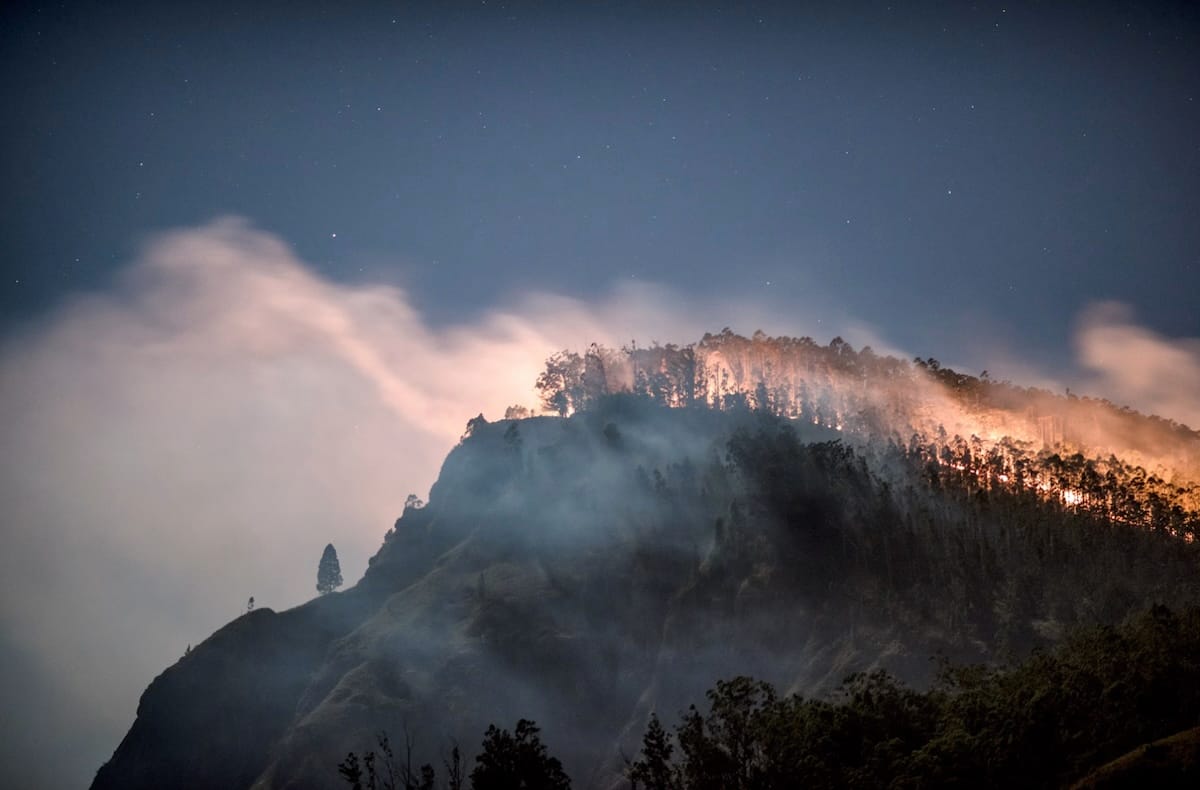
Canada’s Ability to Prevent Forest Fires Lags Behind the Need
You can't spend decades letting fuel pile up and then act surprised when the whole forest lights off. Fire suppression has its place, but it isn't a substitute for stewardship.

Bison Haven't Moved Like This In A Century And The Effects On The Land Are Staggering Scientists
A new Yellowstone study reveals that migrating bison don't just consume grass—they help create healthier grasslands. By stimulating soil microbes, recycling nutrients, and encouraging fresh plant growth, America's largest native herbivore continues to demonstrate its vital role as an ecosystem engineer.
Videos

Yellowstone Elk Migration Trail: Amazing Camera Trap Highlights
Like rivers, Yellowstone’s migration corridors have many tributaries. One of these passes through Pitchstone Waters Ranch. We see herds of as many as 100 elk exiting the national forest, passing through our meadows and across the Fall River, and then reentering national forest to the north. They are headed to their lower winter ranges to the west.
Next spring they will come the other way.
As a fundamental practice on our ranch, we work with national and state agencies to preserve and enhance these wild animal migration corridors by removing obstacles such as fences and choking undergrowth which obstruct passageways, and by improving our habitat to make it more hospitable to wildlife.

How Donkeys Help Prevent Wildfires in Spain
In Catalonia, Spain, a herd of 62 rescue donkeys is being used as a natural, low-tech tool for wildfire prevention. By grazing on the dense brush and undergrowth that would otherwise fuel fires, the donkeys create natural firebreaks across the landscape — clearing the vegetation that helps wildfires spread. It's framed as a sustainable, ecological approach to forest management amid worsening drought and wildfire seasons in the region, with the added benefit that the animals themselves are rescues being given a purpose.
What We've Been Reading

 Pam LeBlanc
 José R. Ralat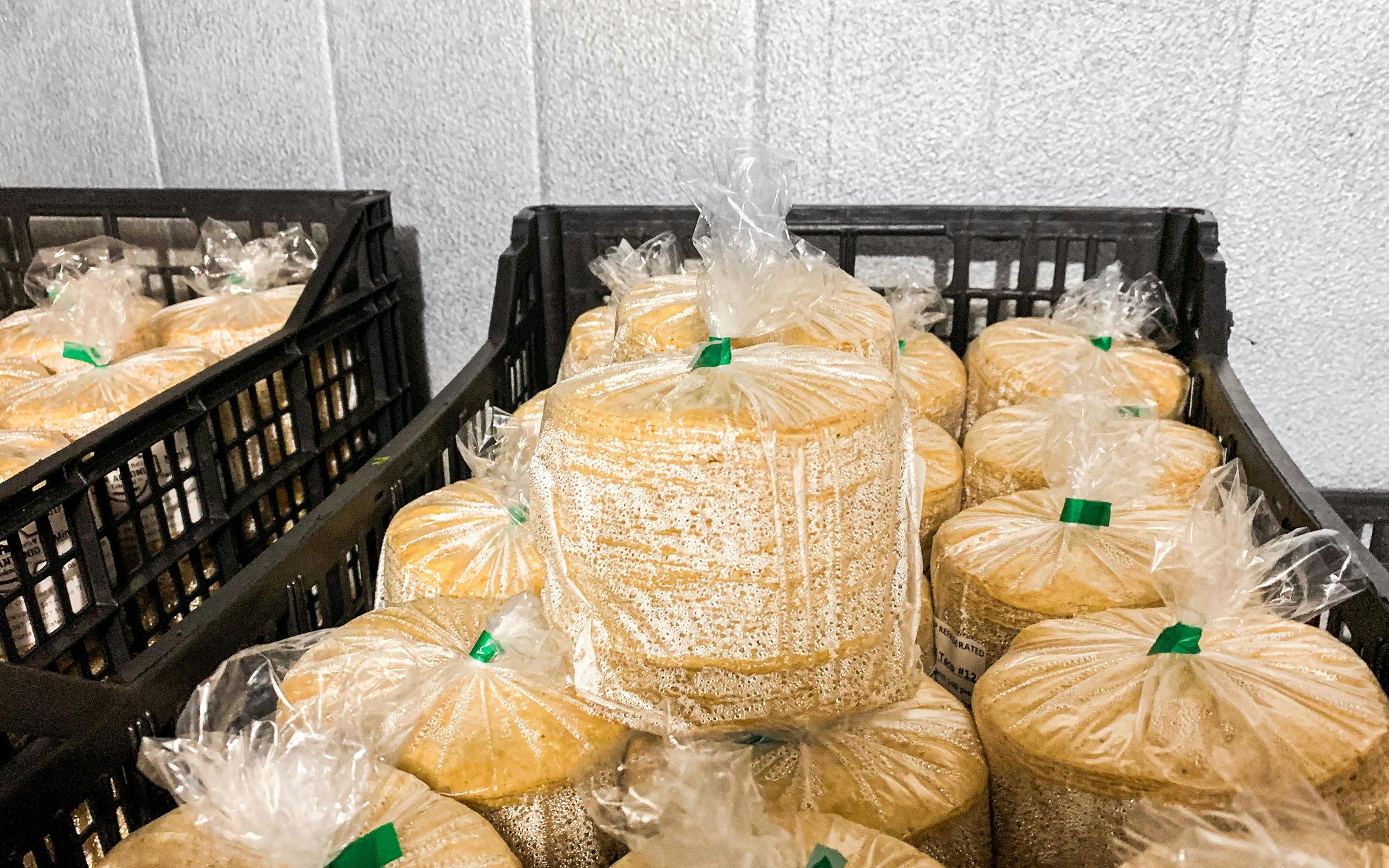


And that’s it - as always thank you..
If you haven’t already - please check out our views on biodiversity at https://pitchstonewaters.com