Restoring Biodiversity - 7/7/2026
The lesson this week is simple: conservation works best when it is grounded in biology, measured by outcomes, and humble enough to adapt.


Thank you for subscribing to the Pitchstone Waters weekly newsletter.
Here is what we’ve been reading, watching and writing about over the past week…
This week’s stories are about biological systems doing what they do best: cycling carbon, rebuilding soil, managing vegetation, and exposing the limits of human control.
Fig trees may be turning carbon into stone. Goats are again being used at Pitchstone Waters to manage weeds without herbicides. Chronic wasting disease has reached Yellowstone, reminding us that even protected landscapes are not sealed off from biological threats. And New World screwworm continues to test whether agencies, ranchers, veterinarians, and landowners can respond quickly enough to contain a fast-moving pest.
The common thread is stewardship. Good conservation is not abstract. It is practical, local, biological, and disciplined.
Articles

Fig Trees May Benefit Climate By Turning Carbon Dioxide Into Stone
Some fig trees appear capable of converting carbon dioxide into calcium carbonate — essentially storing carbon in mineral form within wood and nearby soil.
That matters because mineral carbon can remain in soil longer than ordinary plant matter. The research is still early, and the real-world scale remains uncertain. But the broader lesson is important: healthy ecosystems often contain mechanisms we are only beginning to understand.
Before assuming climate solutions must always be industrial or expensive, we should pay close attention to what functioning landscapes already do.
Chronic Wasting Disease Detected for First Time in Yellowstone National Park
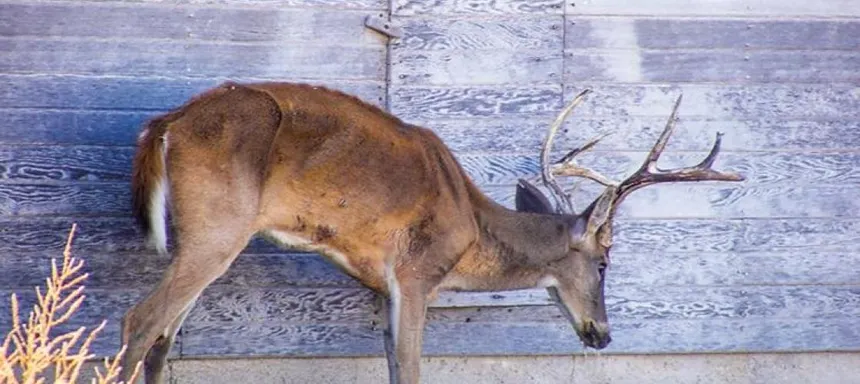
Chronic wasting disease has been confirmed in Yellowstone National Park, marking a sobering milestone for one of North America’s most important wildlife landscapes.
CWD is fatal to deer, elk, and moose, and once established, there is no practical way to eradicate it. The issue is not only one sick mule deer. The real concern is what this means for long-term wildlife health, hunter participation, carcass management, testing, and disease surveillance across the Greater Yellowstone Ecosystem.
This is conservation at its least romantic but most necessary: monitoring, testing, reporting, and managing risk before it overwhelms the system.
Videos
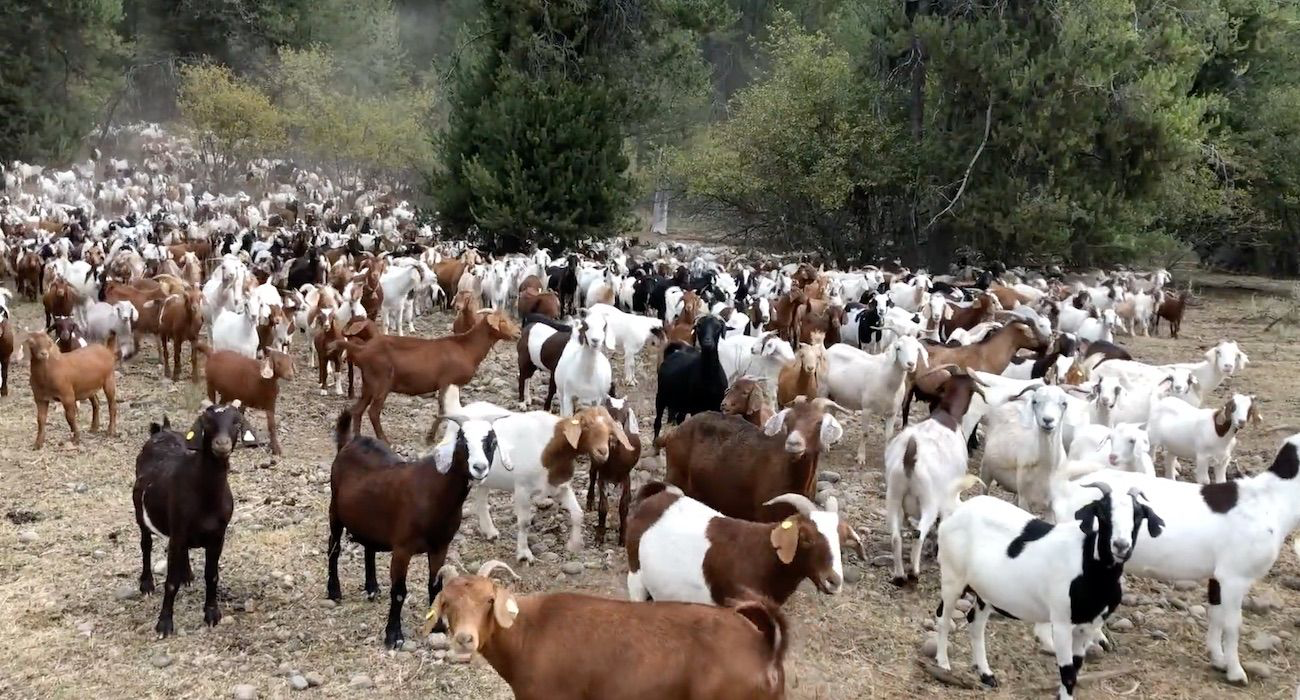
Goats Clearing Meadows and Forest at Pitchstone Waters #4
At Pitchstone Waters, goats continue to be used instead of herbicides to control weeds and stimulate grasses in sagebrush meadows near Yellowstone.
This is a small but important example of applied biodiversity. Animals are not just scenery. Used thoughtfully, they can become land-management tools — reducing unwanted vegetation, stimulating plant growth, lowering chemical use, and helping restore ecological function.
The lesson is not that goats are always the answer. The lesson is that biological tools deserve a serious place beside mechanical and chemical ones.
And that’s it - as always thank you..
If you haven’t already - please check out our views on biodiversity at https://pitchstonewaters.com