Restoring Biodiversity - 7/14/2026
A hydrothermal basin can rearrange itself overnight. Plants respond to their surroundings in ways that challenge our assumptions about intelligence and awareness. An invasive hog population can become a vehicle for an entirely different biological threat.


Thank you for subscribing to the Pitchstone Waters weekly newsletter.
Here is what we’ve been reading, watching and writing about over the past week…
Nature does not organize itself around our categories.
This week’s stories are reminders that ecosystems are not collections of isolated parts. They are networks of relationships, feedback loops, adaptations, and risks—many of which remain poorly understood until circumstances force us to pay attention.
That does not mean landowners and wildlife managers are powerless. It means good stewardship begins with humility, observation, and a willingness to adapt management as new evidence appears.
Articles
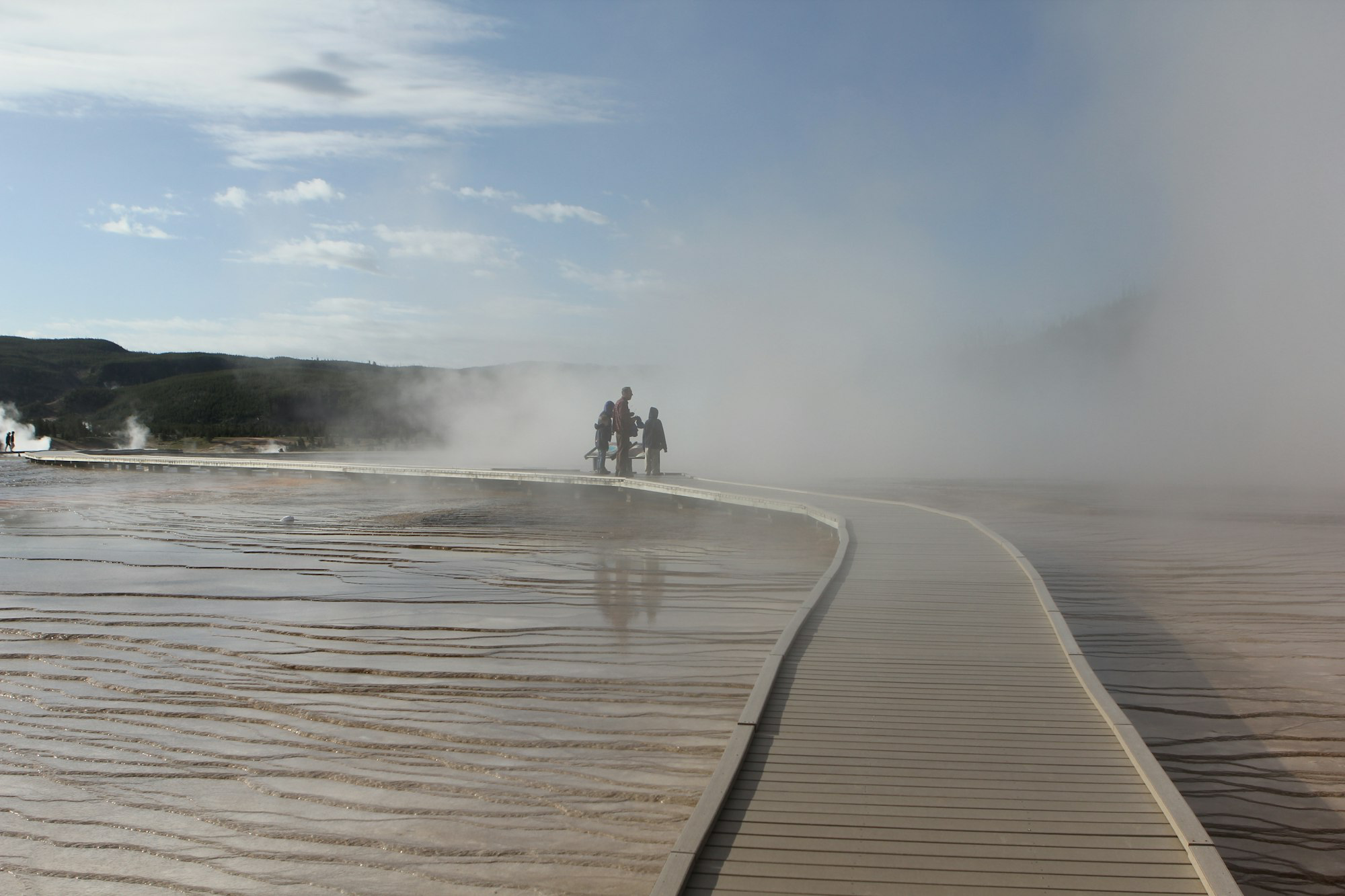
Another Hydrothermal Explosion Has Occurred at Yellowstone National Park
Yellowstone is not a static landscape preserved behind park boundaries. It is a living geological system, continually reshaped by heat, water, pressure, fire, erosion, wildlife, and time.
Conservation must make room for natural change. Protecting a landscape does not mean freezing it in place; it means respecting the processes that continually remake it.

We May Be Surrounded by Trillions of Conscious Beings, Research Suggests—And They Aren’t Human
Can plants remember, communicate, make choices, or possess some form of awareness?
Researchers continue debating those questions.
Whether those abilities should be called “consciousness” remains controversial. Adaptation, signaling, memory, and intelligence are not necessarily the same thing. But the disagreement over terminology should not obscure the larger point: plants and plant communities are far more responsive and sophisticated than they often appear.
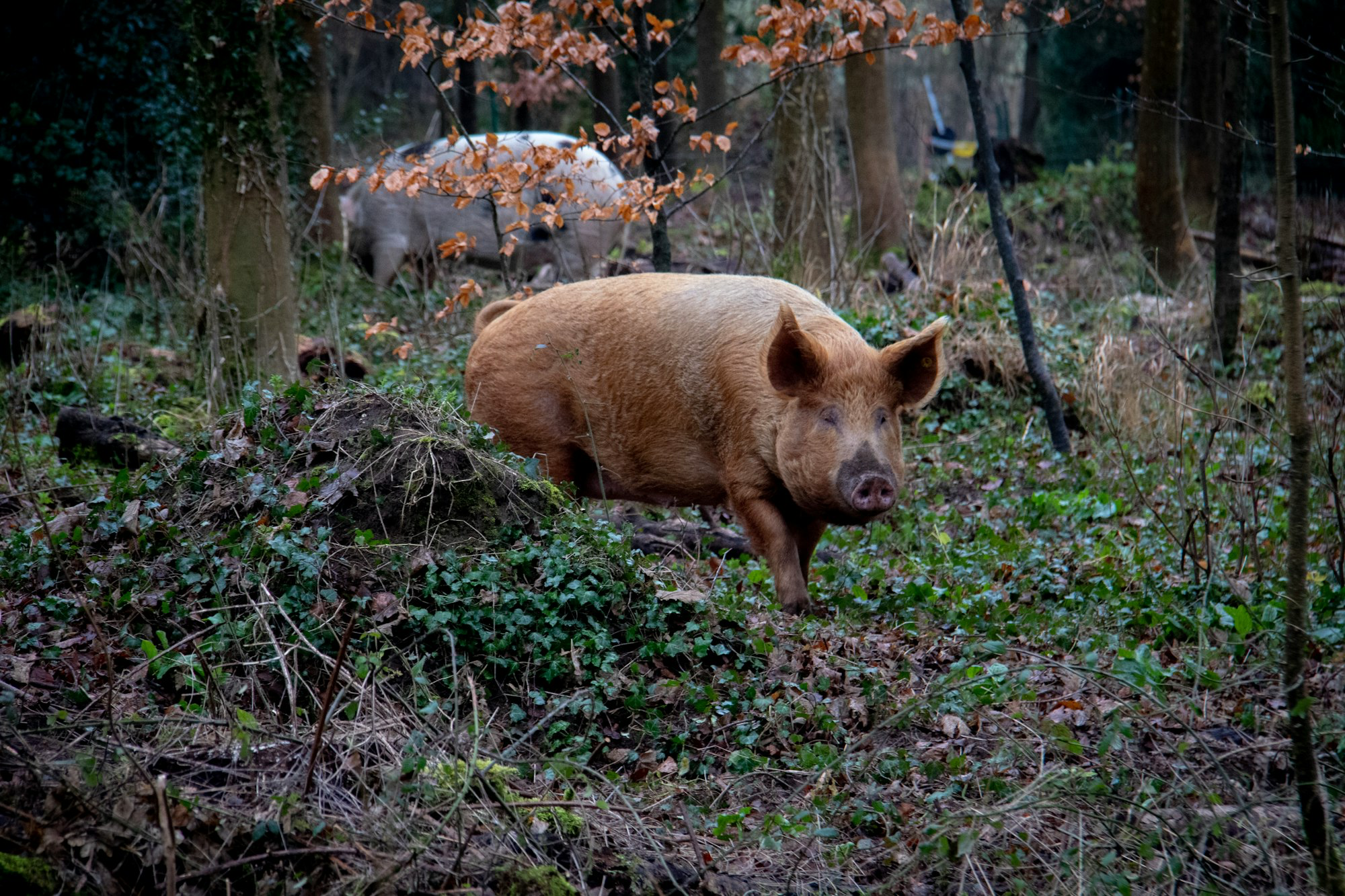
Two of Texas’s Deadliest Pests Are Bound to Clash. Will Anybody Win?
Texas now faces two invasive-species problems that could make one another considerably worse.
New World screwworm flies lay eggs in wounds on living warm-blooded animals. Their larvae consume living tissue and can kill untreated animals rapidly. Feral hogs, meanwhile, are abundant, mobile, difficult to monitor, and frequently carry wounds caused by fighting, fences, traps, and other injuries.
That combination makes hogs a potentially effective host and transporter of screwworm. They can travel long distances, cross property lines, reproduce quickly, and evade the routine inspection available for cattle, horses, sheep, goats, and pets.
Video
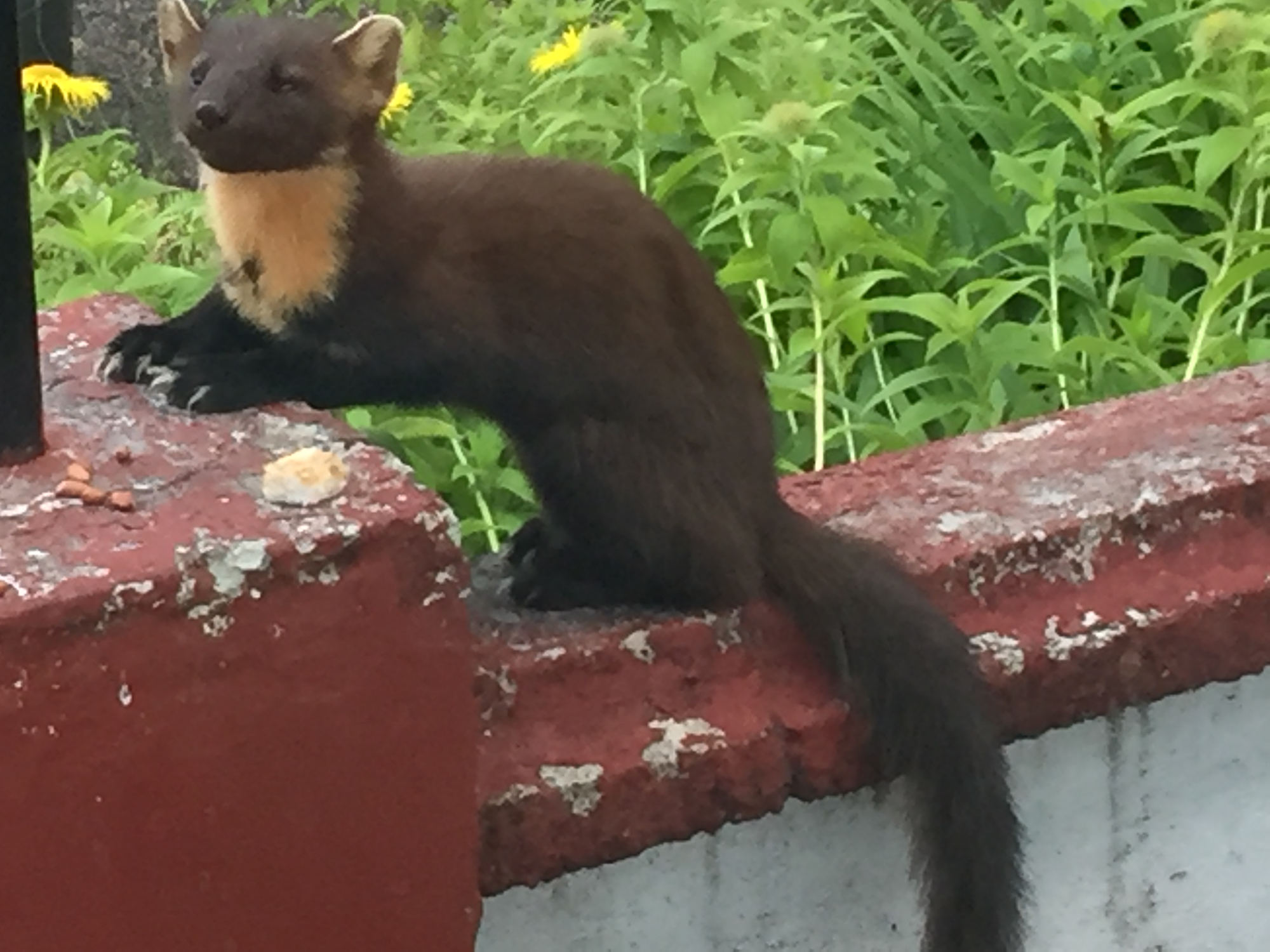
See Two Scottish Pine Martens Start a Food Fight
Two European pine martens competing over food offer a small but vivid look at animal behavior.
Pine martens are members of the mustelid family, which also includes otters, badgers, fishers, and wolverines. Their agility and intelligence make them effective forest predators and scavengers.
And that’s it—as always, thank you.
If you haven’t already, please check out our views on biodiversity at:
Please pass this along—and if you received it from a friend, consider subscribing.