Restoring Biodiversity - 10/27/2026
This week’s edition asks a deceptively simple question: are we managing labels, or are we managing land, water, fuel, habitat, and risk where they actually exist


This week’s stories share a useful discipline: they resist easy categories. Grazing is not automatically good or bad. More trees are not always recovery. More monitoring is not always better management. And a dramatic word like desertification is not much help unless it points to observable loss of function on the ground.
That makes this a strong week for readers who care less about slogans and more about consequences. Across rangelands, streams, fire-prone country, and restoration programs, the recurring question is the one that matters most: what is this land doing now, and what decision should follow?
Articles
Grazing Is a Management Decision, Not a Verdict
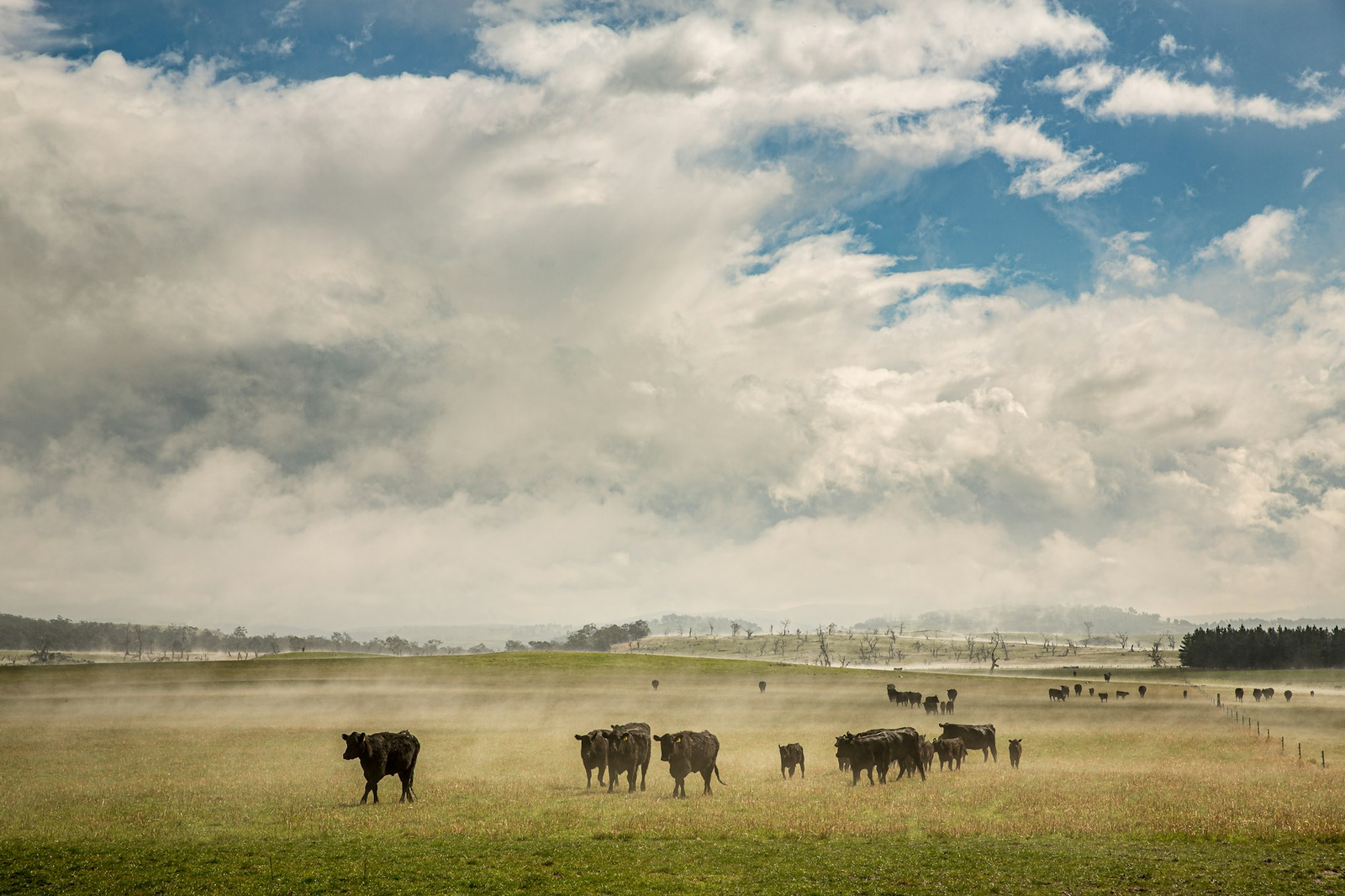
One of the week’s clearest arguments begins by rejecting the wrong frame. The important question is not whether cattle are inherently a problem or a solution, but what animals do in a specific place under a specific plan.
The piece draws on recent rangeland research and older field examples to show why stocking, recovery, drought, site condition, and manager responsiveness do most of the explanatory work. If you care about what actually separates productive disturbance from repeat damage, this is worth your time.

The Best Monitoring Program Starts With a Decision
Plenty of restoration efforts collect data they cannot really use. This article gets at the harder and more valuable question: which measurement would actually change a management choice if the result came back a certain way?
Using a new USGS framework as the starting point, the story makes a pragmatic case for designing monitoring around thresholds, tradeoffs, and decisions rather than around institutional habit. It is especially relevant for anyone trying to do more with limited conservation dollars.
Grazing, Fuel, and Fire: The Missing Conditions in a Simple Story
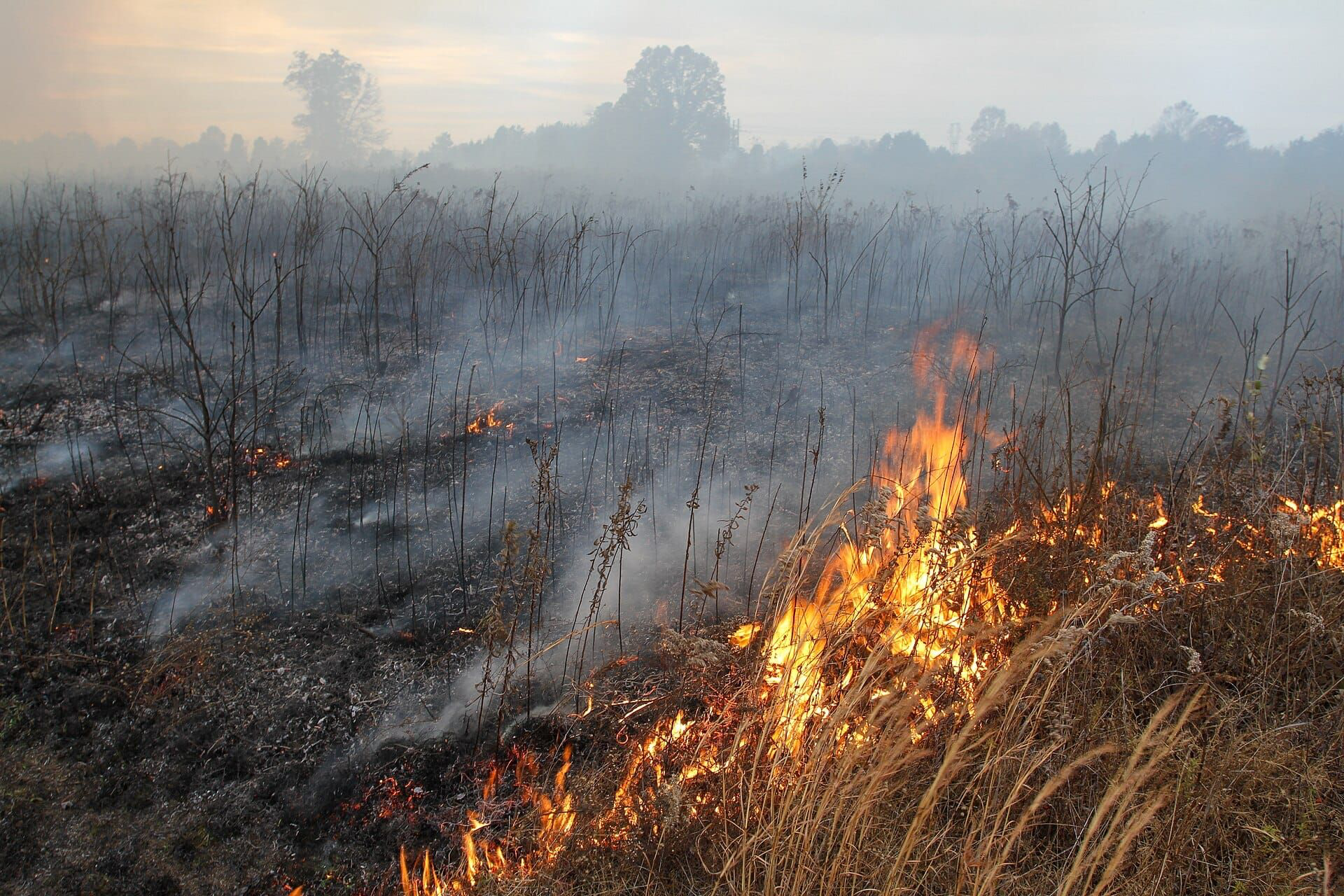
The idea sounds intuitive: animals eat plants, plants become fuel, so grazing reduces wildfire risk. Sometimes it does. But this piece shows why that simple chain leaves out the conditions that decide whether fuel reduction is real, durable, and ecologically acceptable.
Instead of offering another broad pro- or anti-grazing claim, the article asks the operational questions most fire discussions skip: which fuels matter, when must they change, what weather would overwhelm the treatment, and what tradeoffs come with the result?
When More Trees Mean Less Habitat
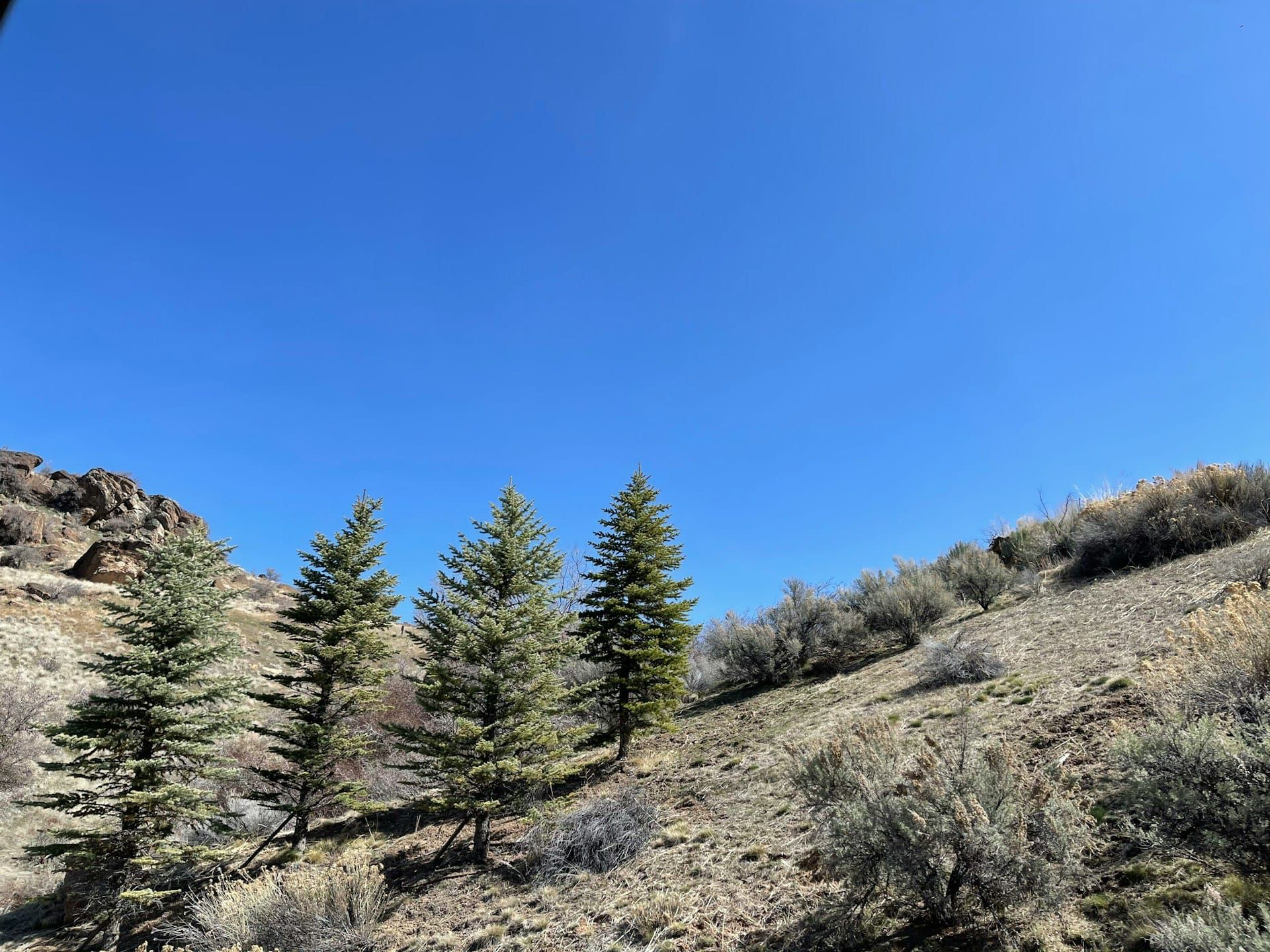
A greener landscape can still be a declining one. In grasslands, sagebrush country, and some open woodland systems, woody encroachment can quietly reduce the very habitat structure wildlife depends on.
This article revisits an older Pitchstone Waters restoration story through the lens of newer evidence and asks a question land managers often avoid: when does adding or retaining woody cover stop being recovery and start becoming habitat loss? The answer is more site-specific—and more interesting—than the usual tree-equals-health assumption.

Walk the Stream After Rain
Some of the best information a landowner can get arrives briefly, just after runoff has exposed how water, soil, roads, banks, and vegetation interact. This practical piece turns a post-storm walk into a repeatable observation tool.
Rather than pretending a quick inspection can replace technical assessment, the article shows what to notice before the evidence fades—and how those observations can improve the next decision. It is one of the week’s most directly usable reads.
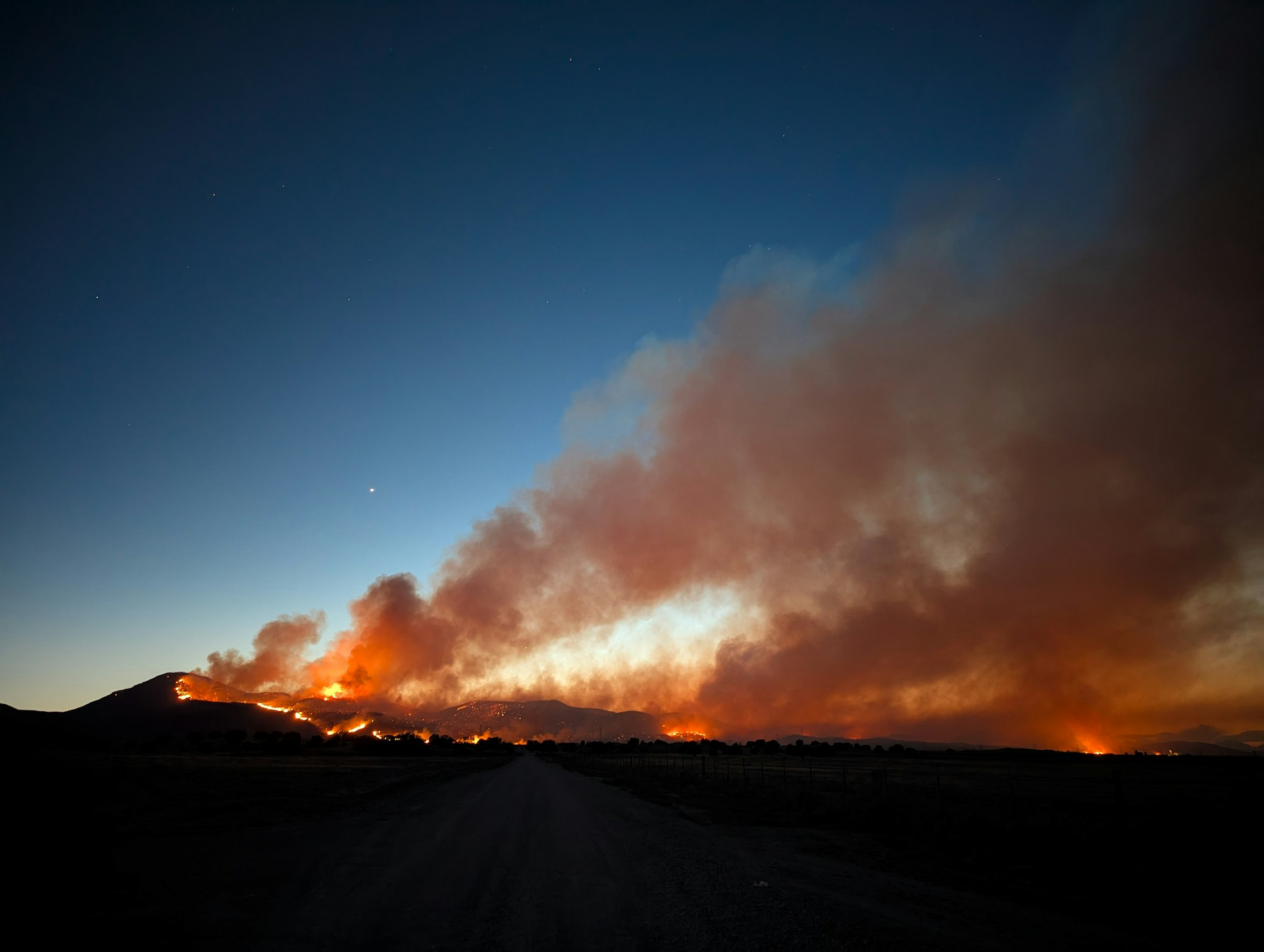
Southern California Burns Again: The 2018 Warning Agencies Ignored
This contribution from William E. Simpson II revisits an argument he made years ago: that declining large herbivore pressure and accumulating fine fuels were helping set the stage for repeated fire disasters, and that agencies failed to seriously test an available alternative.
The article is not just a critique of bureaucracy. It is a challenge to think more concretely about what evidence, pilot design, and institutional willingness would be required to evaluate wild herbivores as part of fuel management rather than leaving the idea in permanent rhetorical limbo.

Landscape-Scale Ecological Benefits of Properly Managed Free-Roaming Wild Horses in Appropriate Wilderness Ecosystems An Empirical and Scientific Synthesis Mini-Dissertation
This is the most ambitious and longest read of the week: a detailed synthesis arguing that properly managed free-roaming wild horses may contribute more to ecosystem function than current management frameworks typically allow.
Wildfire fuels, seed dispersal, genetics, and public cost all enter the discussion. Readers interested in the strongest version of the ecological case for wild horses—and in the limits and assumptions that come with it—will want to read the full piece directly.
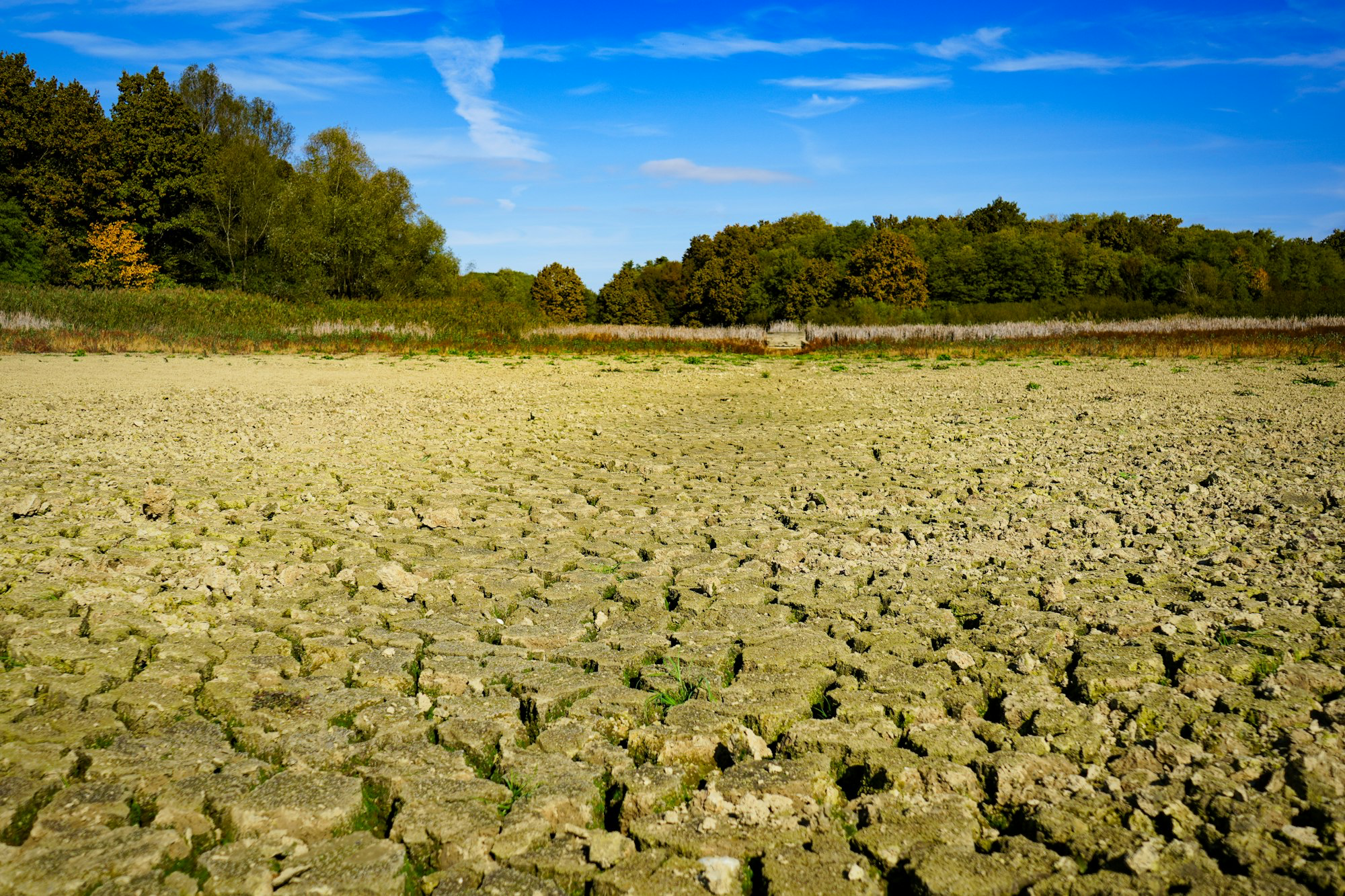
Desertification Is a Loss of Function, Not a Label
Few land-management words are used more loosely than desertification. This article strips the term back to what a manager can actually observe: soil cover, infiltration, erosion, living roots, recovery, and the pattern of bare ground.
It is a useful corrective to political language and visual shortcuts alike. If you want a clearer standard for distinguishing drought from deeper functional decline—and for avoiding false confidence when a site still looks superficially green—start here.
Connecting the Dots
If there is a theme this week, it is accountability to response rather than allegiance to terminology. “Rotational.” “Restoration.” “Tree recovery.” “Fuel treatment.” “Monitoring.” “Desertification.” None of those labels tells you enough by itself.
The better standard, repeated in different forms across these pieces, is simpler and harder: state the objective, identify the mechanism, watch what the land does, and change course when the result does not match the claim.
Looking Ahead
Pitchstone Waters is at its best when it keeps management tied to evidence, tradeoffs, and outcomes on actual ground. If this week’s edition speaks to someone you know—especially a landowner, biologist, range manager, or restoration practitioner—please forward it along.
And if you missed any of the week’s pieces, now is a good time to click through and read the full arguments where they belong: on the site.
And that's it—as always, thank you.
If you haven't already, please explore more of our views on biodiversity and practical land stewardship at Pitchstone Waters.
Please pass this along—and if you received it from a friend, consider subscribing.