Restoring Biodiversity - 10/13/2026
This week’s edition asks a practical conservation question in many forms: what actually restores ecological function on the ground—and how should we know when a favored idea is working?


This week’s new Pitchstone Waters pieces return, again and again, to a deceptively simple test: are we measuring the thing that actually matters?
Hive counts are not pollinator health. A management label is not land recovery. Predator “coexistence” is not a policy unless someone has defined thresholds for action. And a new rule for prescribed fire is not success until it changes what happens on the ground. Several of this week’s stories approach different problems, but all ask the same practical question: what evidence should guide stewardship?
If that question interests you, there is a great deal worth exploring below.
Articles

A Hive Count Is Not a Measure of Pollinator Health
Pollinator debates often collapse a complicated ecological question into a single familiar animal: the managed honeybee. This piece pushes back on that shortcut and asks what changes when we stop treating colony numbers as a verdict on the condition of the land.
The article makes a sharp distinction between an agricultural pollination system that can be rebuilt and a native pollinator community that often cannot. If we want more bees in any durable sense, the answer may begin less with buying bees and more with restoring flowers, nesting ground, and seasonal habitat.
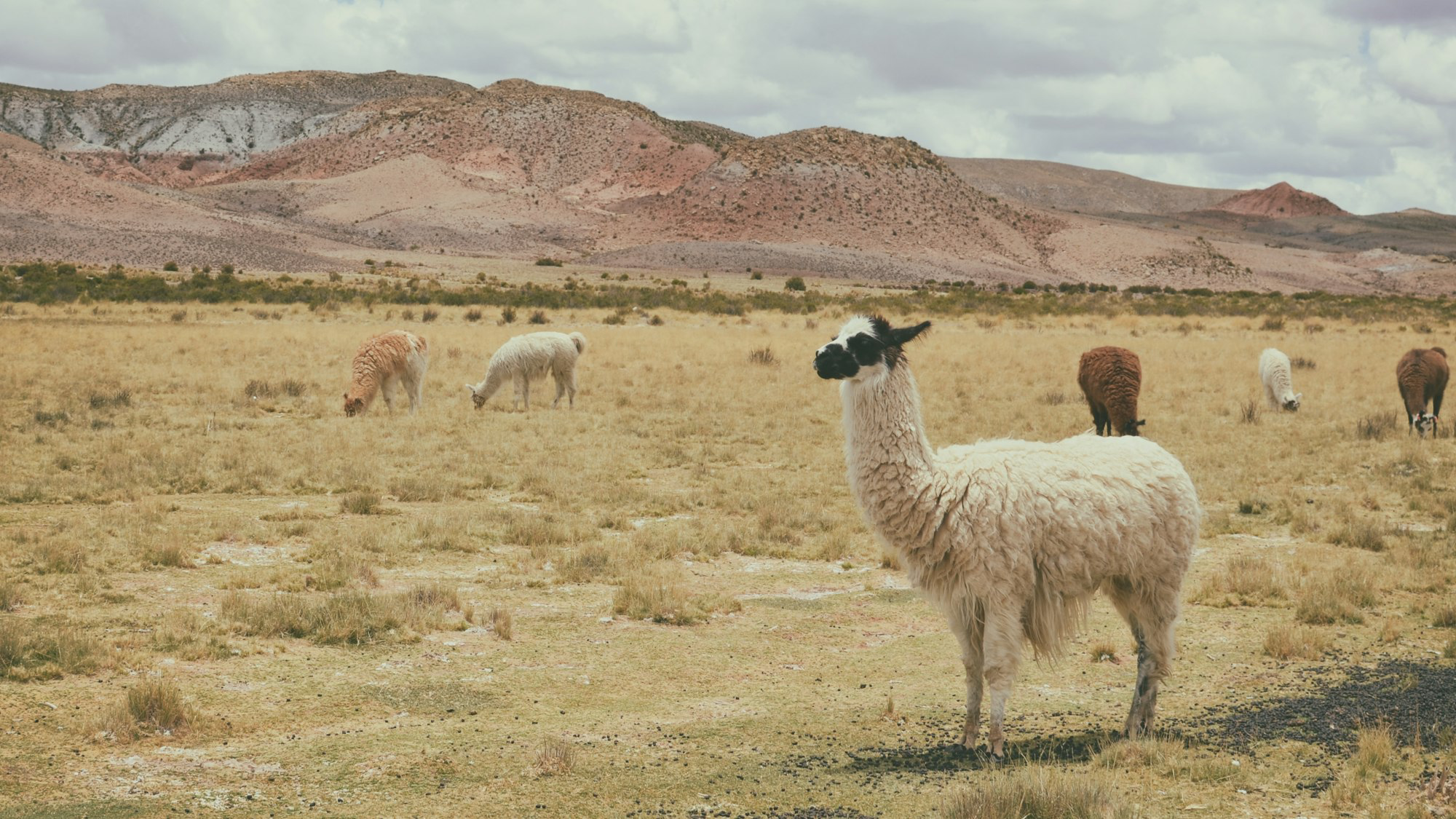
Llamas Once Roamed North America. Could They Help Restore It Again?
A small experiment high in the Peruvian Andes points toward a bigger ecological question: when animals return to damaged ground, what functions come back with them? In this case, the answer appears to involve more than grazing alone.
What makes the piece especially interesting is the deeper frame around “native” status, ecological role, and restoration. It is not really a story about llamas as novelty livestock. It is a story about whether animals can help barren land begin behaving like an ecosystem again—and what that might mean elsewhere.

When Coexistence Stops Working: A Threshold Test for Predator Management
“Coexistence” has become a common wildlife-management goal, but it often remains vague at the exact moment clarity matters most. This article takes up a new urban-coyote framework and extracts the larger question beneath it: what verified behavior should trigger education, deterrence, investigation, or targeted removal?
The value here is not a slogan for or against predators. It is the demand for pre-committed standards before a crisis arrives. For readers interested in wolves, coyotes, working lands, or institutional legitimacy, this is one of the week’s most important arguments.
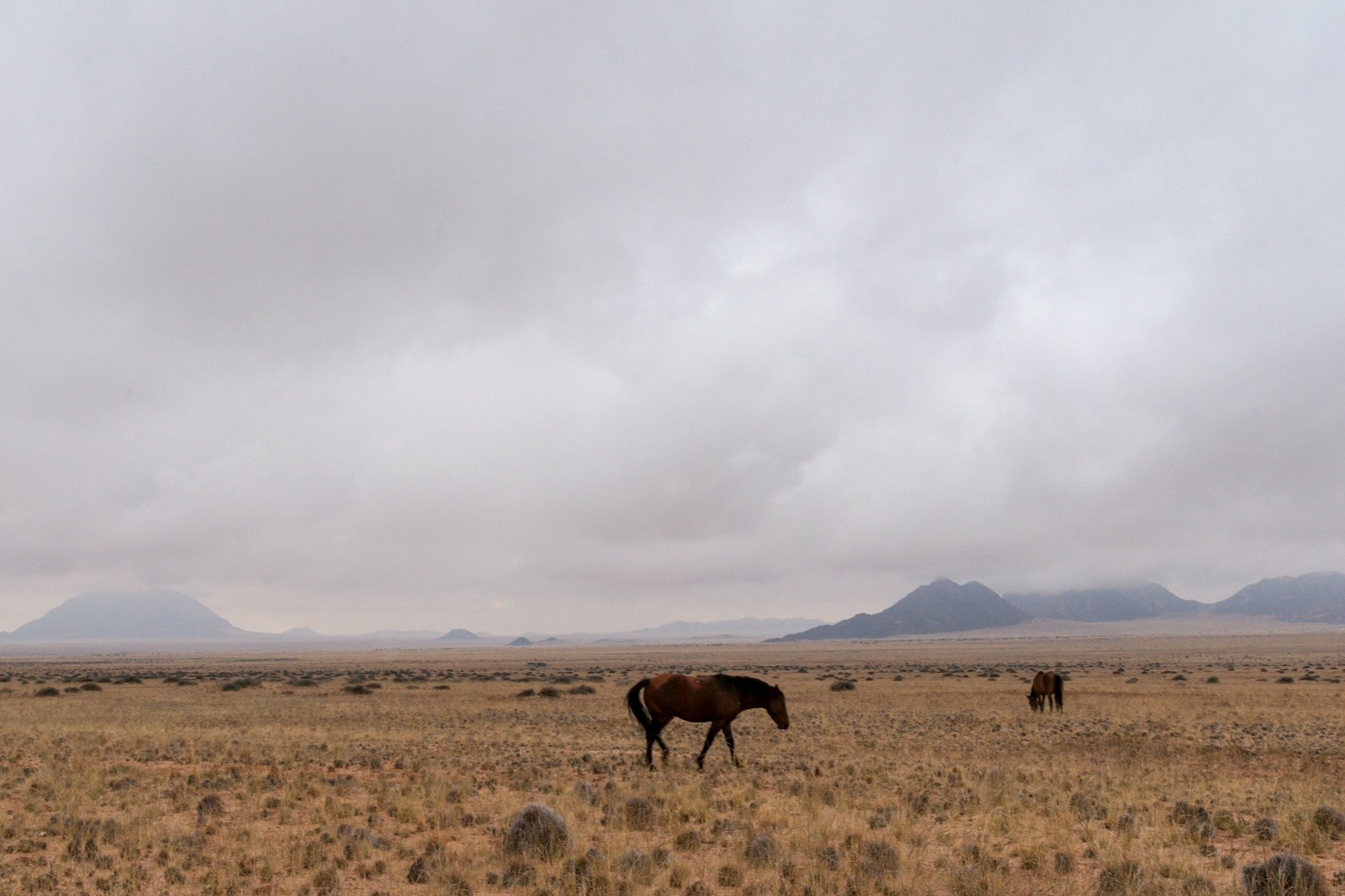
What Old Grassland Stories Still Teach Us About Restoring Land
Two older grassland cases—one from West Texas and one from southern Africa—become the basis for a broader editorial lesson here: restoration is easiest to oversimplify when we turn it into a contest between branded methods.
This piece is less interested in defending one camp than in asking what should actually be measured: soil cover, runoff, recovery, wildlife response, and whether the economics can support the practice long enough to matter. It is a useful reset for readers tired of technique wars.
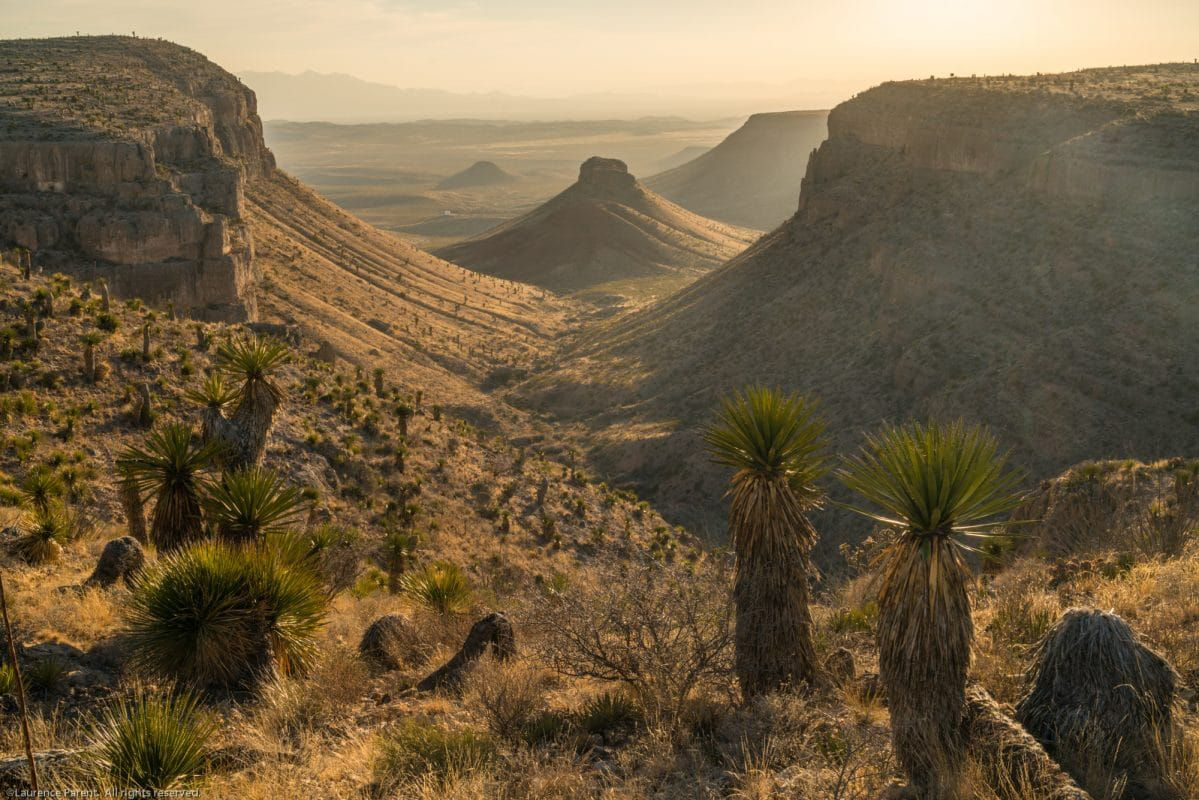
Before You Move Dirt, Read the Water
Restoration projects often begin with a plan to build, dig, reshape, or install. This article argues for a slower first step: watch what the land already does when water moves across it.
That shift sounds modest, but it leads to bigger questions about runoff, exposed soil, vegetation, downstream effects, and whether management changes might solve a problem before machinery does. Anyone thinking seriously about dryland restoration should read this one before reaching for a blueprint.
A Landscape Is Never Unmanaged
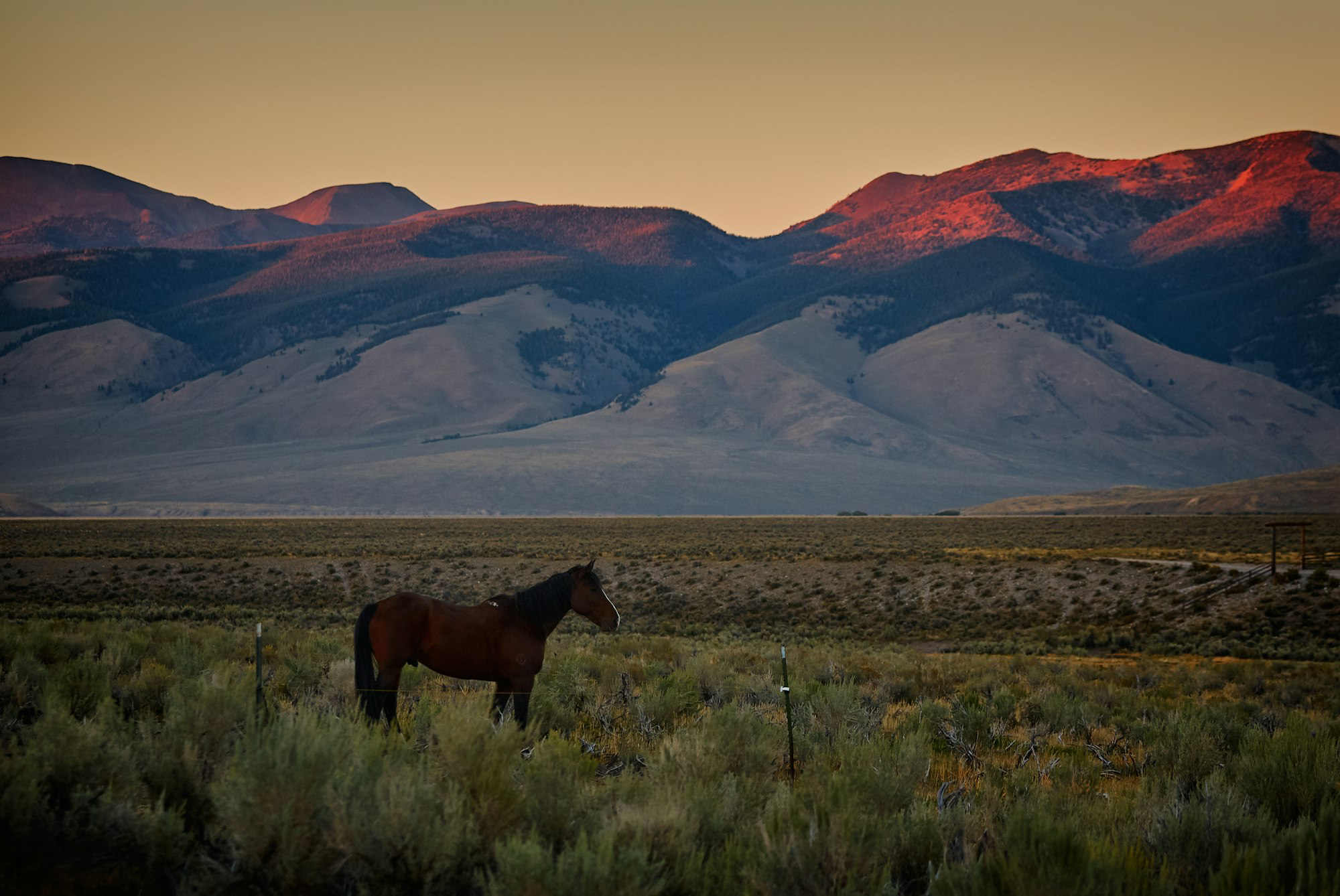
This is one of those short institutional essays that clarifies an entire editorial posture. The central claim is straightforward: there is no neutral landscape outside management, because weather, fire, animals, infrastructure, markets, and human decisions are always shaping outcomes.
From there, the piece asks what responsible stewardship should look like when every intervention is really a hypothesis about how a living system will respond. It is brief, but it usefully connects many of the other articles in this week’s edition.
Prescribed Fire Finally Earned Hazard Pay. Capacity Is the Next Test.
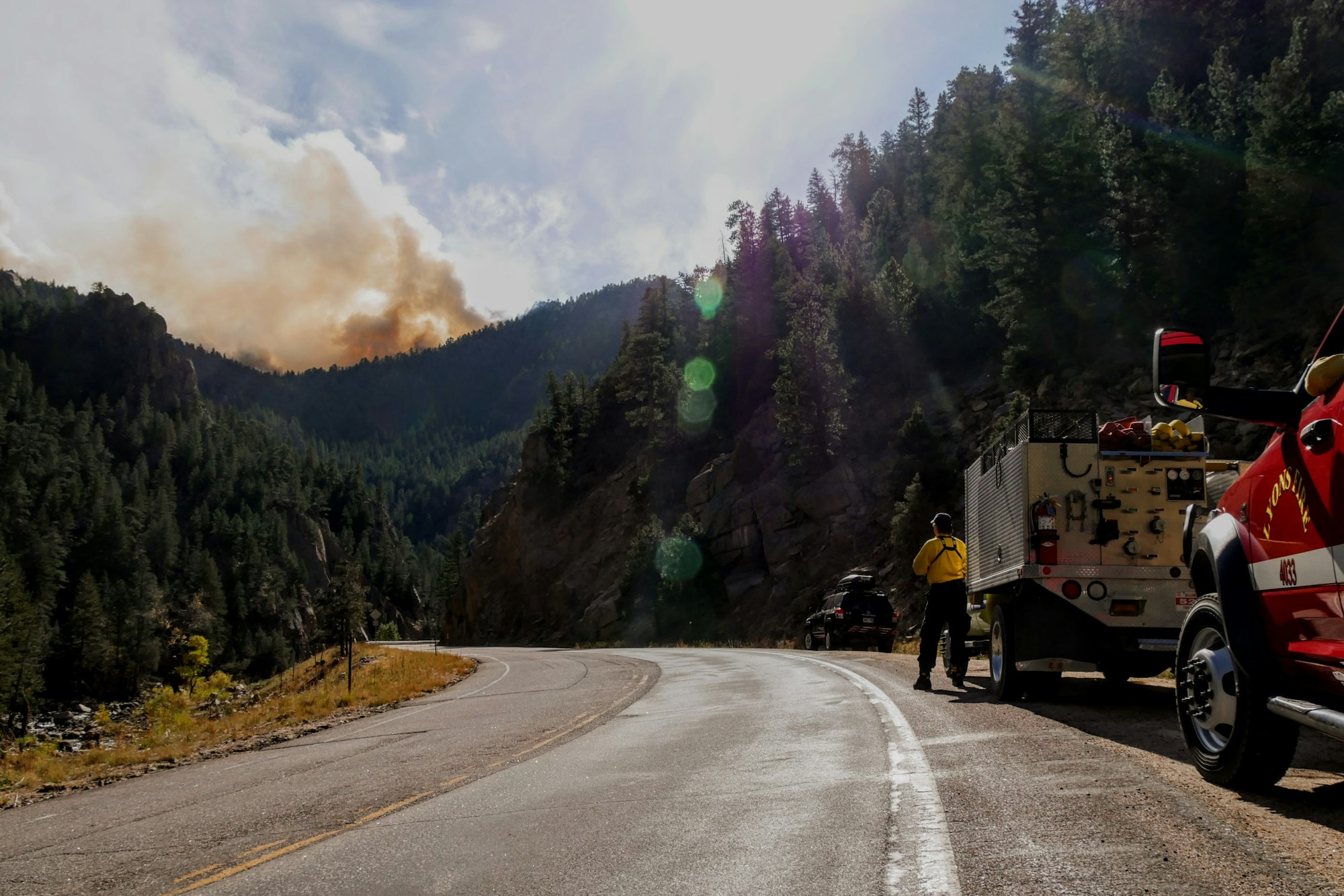
A federal pay rule for prescribed-fire crews may sound administrative, but this article treats it as something more revealing: an institutional signal about whether prevention work is valued as seriously as emergency response.
The key question is not whether the rule sounds fair. It is whether the change produces more real capacity—more qualified crews, more completed projects, fewer staffing-related cancellations, and ultimately better outcomes on the land. If you care about fuels, fire, and incentives, this is a timely piece to read.
American Wild Horses: Fifty-Five Years Of Removals, Gelding, And Pesticide Contraception Have Cut Genetic Flow In BLM Wild-Horse Herds
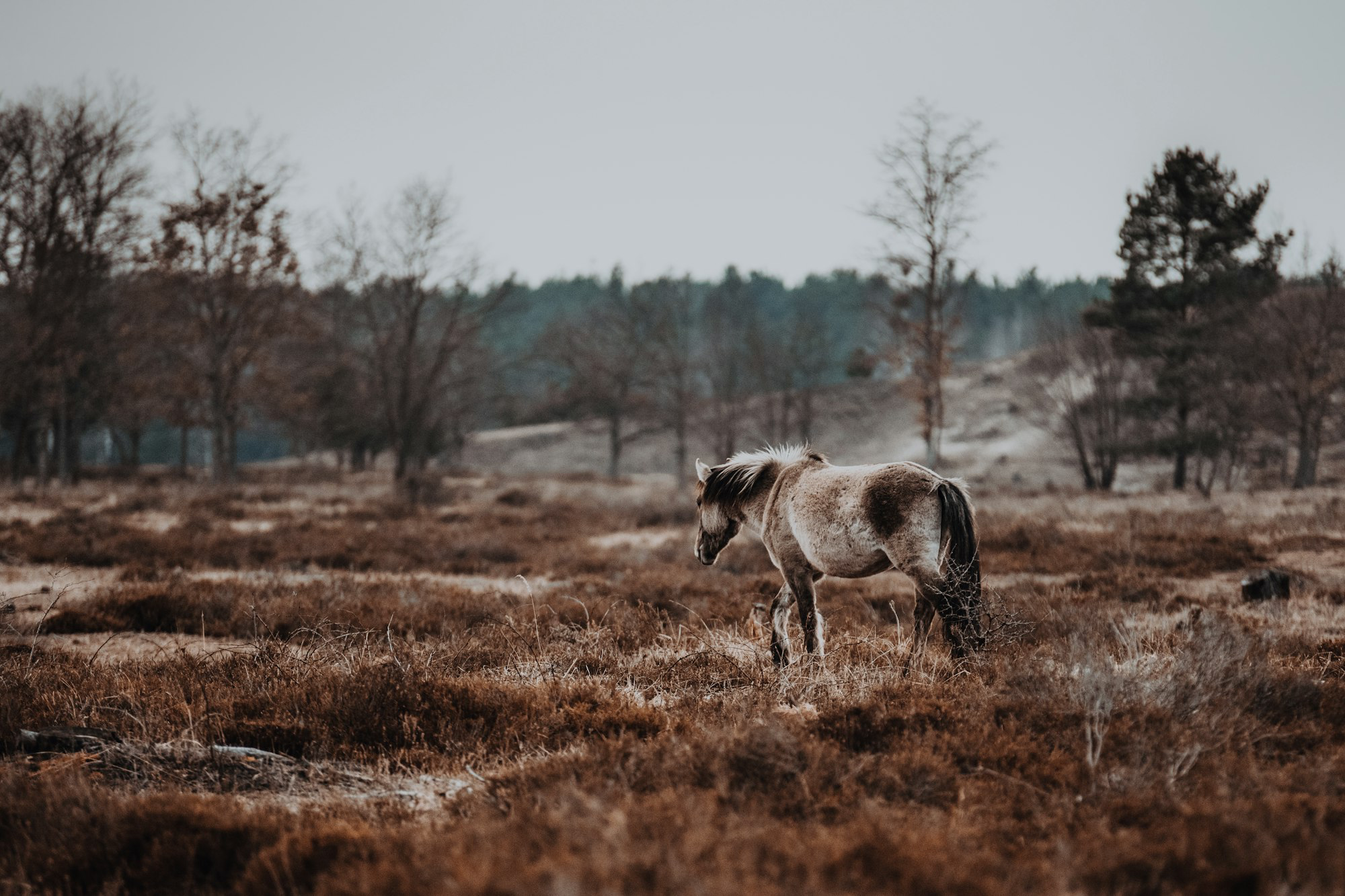
This guest article by William E. Simpson II raises a contentious but consequential question: what happens to long-term genetic diversity when wild-horse populations are repeatedly reduced and reproduction is actively controlled?
Readers will likely have strong prior views on wild-horse policy. Even so, the piece is worth reading as a challenge to conventional management assumptions and as an argument about what may be lost when population control is treated mainly as a numbers problem.
Videos

An Unlikely Friendship? A Wild Horse Meets a Squirrel
Not every worthwhile nature story is an argument. Sometimes it is simply a moment of curiosity that reveals how much personality and surprise the natural world still holds.
This brief visual post is exactly that kind of palate cleanser—a small encounter that rewards watching for yourself rather than having it explained in advance.
Connecting the Dots
Several of this week’s pieces resist the same temptation: substituting a proxy, label, or policy announcement for ecological reality. More hives do not necessarily mean healthier pollinator systems. “Rotational grazing” does not guarantee recovery. “Coexistence” does not tell an agency when to act. And a pay reform for prescribed fire is only the beginning of the real test.
That may be the most useful conservation habit of all: ask what the land, the wildlife, or the institution is actually doing—not what the slogan says it ought to be doing.
Looking Ahead
Pitchstone Waters continues to do something increasingly valuable in conservation writing: connect biodiversity to incentives, stewardship, and measurable outcomes rather than abstract sentiment alone.
If this week’s edition resonated, the best next step is simple: click through, read the full pieces, and spend time with the arguments in their proper context.
And that's it—as always, thank you.
If you haven't already, please explore more of our views on biodiversity and practical land stewardship at Pitchstone Waters.
Please pass this along—and if you received it from a friend, consider subscribing.
