Bull Elk in West Texas
Elk were once common in West Texas, across the state, and from coast to coast. Today TPWD and ranchers eradicate native elk because managers believe they "compete" with Desert Bighhorn Sheep and Mule Deer.

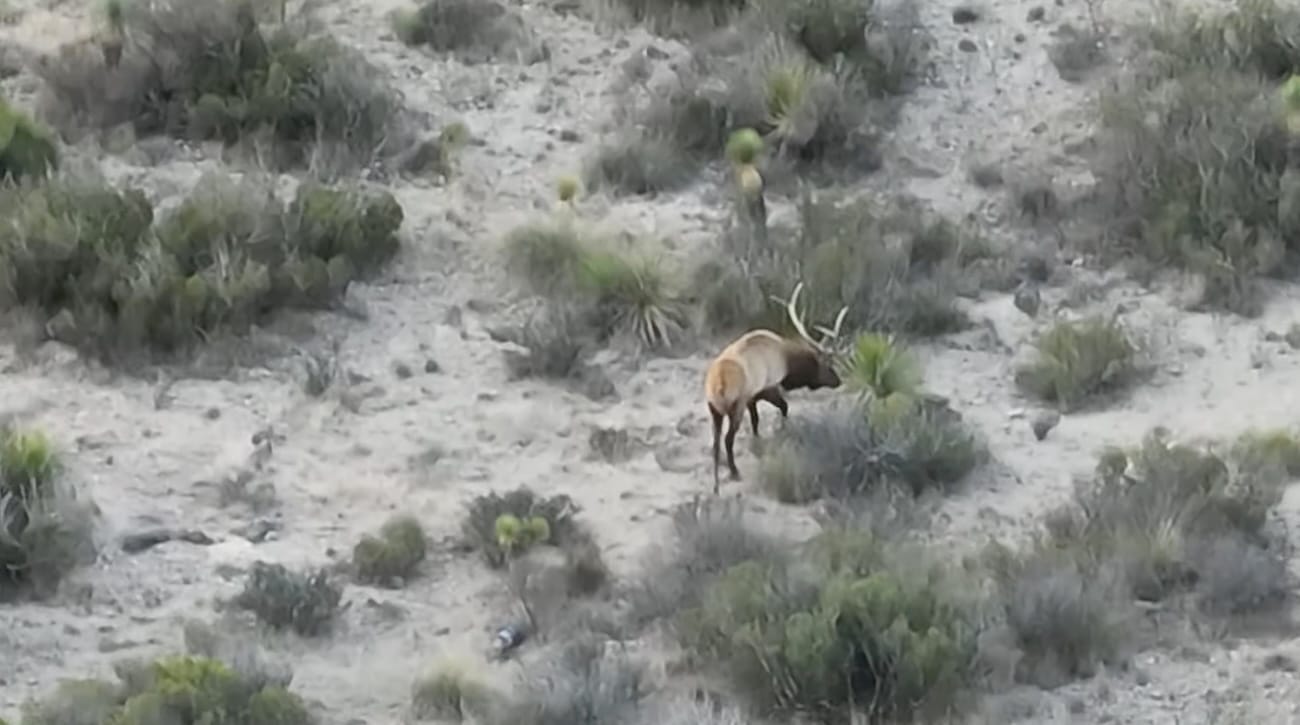
On the advice of the Texas Parks and Wildlife Department, elk are still being eradicated across West Texas on both state-owned and private lands. The agency is basing this action on the theory that elk “compete” with bighorn sheep for food and habitat. (Plus, the elk eat the supplemental feed ranchers intend for desert mule deer.) As a side effect, a large number of predators are being eliminated in an attempt to "protect" bighorn sheep.
The aforementioned recommendations and actions are a perversity of wildlife “management.” Frankly, this body of practices and the philosophy underlying them are the worst things that ever happened to Texas wildlife.
Our West Texas ranch bordered the Wildlife Management Area that was created to help restore desert bighorn sheep in Texas. TPWD built very large pens and tried to raise bighorn artificially. The effort was a failure for multiple reasons, some of which we know and some of which remain a mystery.
Desert bighorns flourished immediately after they were released from the breeding pens in the Sierra Diablo Mountains, which had become de facto death traps. Several years passed where the sheep ranged unmolested and then the farce of "active management" began.
Not surprisingly desert bighorn sheep are in decline because you cannot take nature out of nature. TPWD's enormous internal bureaucracy interferes with nature regularly as if people know more than the natural system about growing wild animals.
Big horn and elk are not competitive. They are complementary, as is every other animal in the system, including the exotics.
Individual species CANNOT be grown like soy beans. The agency's operating premise that you pick the species you like and kill everything else is ecological illiteracy. The public accepts this untenable behavior because they trust the wildlife institutions—until they don't…